
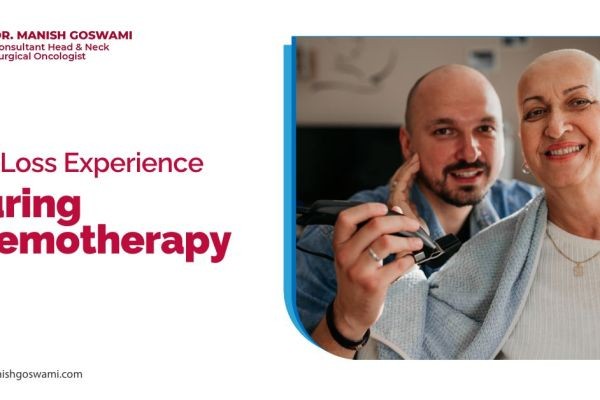
Chemotherapy not only kills the cancer cells but also has an impact on healthy hair cells as well. Weekly thinning or falling hair is an issue that many patients concern soon after starting the treatment.
Hair loss is a common side effect because chemotherapy medicines are used for fast-growing cells in the body. This can cause the rapid loss in the treatment of cancer and varies with the type of drugs used, the type of cancer, and the response of the body.
Hair loss can be difficult because it affects confidence and self-image during recovery. Support, counseling, and guidance from a Cancer Specialist in Siliguri can help patients manage this phase.
Support can guide patients through the difficult period and provide confidence to cope with the loss. Although hair loss can feel permanent, many cases show that hair starts growing back soon after the completion of chemotherapy.
What Causes Chemotherapy Hair Loss?
Chemotherapy drugs are used to target rapidly growing cancer cells, but they can also affect healthy hair. This is why many patients experience temporary hair loss during treatment.
How Chemotherapy Affects Hair Follicles
Fast-Growing Cells and Chemotherapy Drugs
Hair follicles grow very quickly, making them sensitive to chemotherapy medicines. When these cells are damaged, hair becomes weak and starts falling out.
Why Hair Follicles Become Damaged
Chemotherapy interrupts the normal growth cycle of hair follicles. In some patients, this may lead to hair thinning, increased breakage, or even total hair loss.
Does Every Chemotherapy Drug Cause Hair Loss?
Not all chemotherapy medicines cause severe hair loss. Some treatments may only lead to mild thinning, while stronger drugs can cause significant hair fall.
Types of Chemotherapy Drugs Linked to Hair Loss
Certain chemotherapy drugs are more strongly associated with hair loss because they aggressively target fast-growing cells in the body.
Partial vs Complete Hair Loss
Some people experience patchy or partial hair thinning, while others may lose most of their hair during treatment. The severity depends on the treatment type and body response.
Areas Affected by Hair Loss
Scalp Hair
The scalp is the most commonly affected area, and hair may begin shedding during washing or combing.
Eyebrows and Eyelashes
Chemotherapy can also affect eyebrows and eyelashes, which may cause changes in facial appearance and eye sensitivity.
Body Hair
In some cases, body hair on the arms, legs, and underarms may also become thinner or fall out temporarily.
Factors That Affect Hair Loss Severity
Dosage of Treatment
Higher chemotherapy doses may increase the chances of severe hair loss.
Frequency of Chemotherapy
Frequent treatment sessions can give hair follicles less time to recover between cycles.
Individual Body Response
Every patient reacts differently to chemotherapy, so the level of hair loss can vary from person to person.
When Does Hair Loss Usually Begin During Chemotherapy?
Hair loss usually does not happen immediately after the first chemotherapy session. Most patients notice changes within a few weeks of treatment.
When Hair Loss Usually Starts
Hair Loss Timeline After First Treatment. Hair loss often begins around 2 to 4 weeks after starting chemotherapy, depending on the treatment type.
How Fast Hair Falls Out
Patchy Hair Loss
Hair may initially fall out in small patches before becoming more noticeable.
Complete Hair Loss Over Time
In stronger chemotherapy treatments, complete hair loss may happen over several weeks.
What Is the Best Way to Care for Hair During Chemotherapy?
Taking gentle care of the hair and scalp can help reduce discomfort during chemotherapy treatment.
Gentle Hair Care Routine
Using Mild Shampoos
Use soft, mild shampoos to avoid irritating the scalp and weakening hair further.
Avoiding Harsh Hair Products
Avoid strong chemicals, hair sprays, dyes, and alcohol-based products during treatment.
Protecting the Scalp
Keeping Scalp Moisturized
Using a mild moisturizer or natural oil can help soothe scalp dryness and ease irritation.
Sun Protection for the Scalp
Protect the scalp from direct sunlight by using scarves, hats, or sunscreen when outdoors.
Hairstyles and Hair Management Tips
Cutting Hair Short Before Treatment
Many patients choose shorter hairstyles before chemotherapy to make hair loss easier to manage emotionally.
Avoiding Heat Styling and Chemical Treatments
Avoid straighteners, curling tools, bleaching, and chemical treatments during chemotherapy.
Wigs, Scarves, and Head Coverings
Managing Appearance-Related Concerns. Head coverings may help some patients feel emotionally more comfortable in social situations.
Nutrition and Self-Care During Treatment
Healthy Diet for Recovery
A balanced diet with vitamins and proteins can support overall recovery during treatment.
Staying Hydrated
Drinking enough water helps to maintain scalp and skin health throughout chemotherapy.
When Does Hair Grow Back After Chemotherapy?
Hair Regrowth Timeline
When Regrowth Usually Begins
Many people notice their hair growth within a few weeks to months after finishing treatment.
Early Stages of Hair Growth
New hair may appear soft, thin, or uneven during the early stages of regrowth.
Changes in Hair After Chemotherapy
Texture Changes
Some patients notice changes in hair texture after regrowth.
Hair Color Differences
Hair may temporarily grow back with a different shade or color.
Curly or Thinner Hair After Regrowth
New hair can sometimes appear curlier, finer, or thinner than before treatment.
Proper Nutrition
Healthy foods rich in nutrients can support stronger hair regrowth after chemotherapy.
Conclusion
Losing hair during chemotherapy is one of the hardest parts of cancer treatment, but it does not last forever. Each person’s experience is different, and learning about what to expect can help ease stress and worry during this time.
It will be manageable by using gentle hair and scalp products, eating well, and having emotional support, which can make recovery feel easier. Taking advice from a trusted Cancer Specialist in Siliguri can also help patients handle side effects better.
With patience and proper care, many patients see changes and healthy hair regrowth after chemotherapy is completed. For expert support and guidance, you can contact Dr. Manish Goswami, they provide confidence, encouragement, and hope throughout the recovery journey.






