
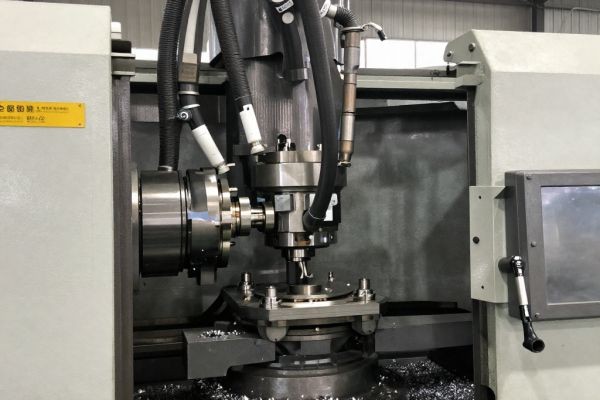
In today's interconnected industrial landscape, sourcing high-quality machinery and equipment from reliable suppliers has become increasingly complex. Businesses worldwide face mounting challenges including supplier verification, quality assurance, regulatory compliance, and international logistics coordination. Understanding how to navigate these obstacles effectively can mean the difference between operational success and costly procurement failures.
The Growing Demand for Professional Sourcing Services
The global industrial machinery market continues expanding at remarkable rates. Manufacturing equipment procurement alone represents billions in annual transactions, with Asian markets playing an increasingly dominant role in both production and export. China's manufacturing sector accounts for nearly thirty percent of global output, producing everything from basic components to sophisticated automated systems.
This industrial growth creates unique opportunities but also significant challenges for international buyers. Finding verified suppliers who meet international quality standards, communicating technical specifications accurately across language barriers, ensuring compliance with destination market regulations, and coordinating complex international logistics all require specialized expertise that most individual buyers lack.
Research published in 2025 indicates that over seventy percent of companies achieve higher cost savings sourcing from Asian markets compared to other regions. However, success depends entirely on implementing rigorous verification processes and working with partners who maintain on-ground presence in manufacturing regions. Without proper oversight and quality control, cost savings quickly evaporate through defective equipment, production delays, and compliance issues.
Understanding the Complete Equipment Sourcing Ecosystem
Professional industrial equipment sourcing encompasses far more than simply connecting buyers with sellers. Comprehensive sourcing services address every aspect of the procurement process from initial needs assessment through final equipment commissioning. This end-to-end approach protects buyers from common pitfalls while accelerating time to productive operation.
The sourcing process begins with detailed needs assessment. Understanding exact equipment requirements, production capacities needed, compatibility with existing systems, operator skill levels, and maintenance capabilities ensures that sourced equipment actually meets operational needs. Many procurement failures stem from incomplete requirements definition leading to equipment that technically meets specifications but fails in practical application.
Supplier identification leverages established networks of verified manufacturers. Rather than starting searches from scratch using online directories or trade shows, professional sourcing partners maintain pre-qualified supplier databases built through years of industry engagement. These networks provide immediate access to manufacturers whose capabilities, quality standards, and reliability have been proven through previous successful projects.
Technical specification communication proves critical for machinery procurement. Equipment specifications involve complex parameters, compatibility requirements, and performance standards that must be precisely communicated. Language barriers and differing technical standards between countries create significant misunderstanding risks. Bilingual technical teams fluent in both engineering terminology and business practices bridge these gaps, ensuring accurate communication of requirements and capabilities.
Rigorous Quality Verification Systems
Quality concerns represent the most significant risk in industrial equipment sourcing. Unlike consumer products where defects create manageable losses, defective machinery can cost thousands of dollars in repair or replacement plus months of operational downtime. Every piece of industrial equipment requires thorough verification before, during, and after production.
Factory audits form the foundation of supplier verification. Comprehensive audits evaluate production facilities, manufacturing capabilities, quality control systems, technical expertise, and management competency. These assessments examine physical infrastructure including machinery condition and maintenance, production processes and workflow organization, quality control procedures and testing equipment, technical staff qualifications and training programs, and business credentials including licenses and certifications.
Material certification and testing documentation enable traceability throughout production. Mill test reports for raw materials verify chemical composition and mechanical properties. Non-destructive examination records confirm weld quality and structural integrity. Dimensional inspection reports verify components meet engineering drawings. This documentation trail ensures materials and workmanship meet specifications while providing evidence for insurance claims if problems occur.
The inspection process must occur at multiple production stages. Pre-production inspections confirm material quality and approve samples before full manufacturing begins. During production inspections at twenty to fifty percent completion perform random checks ensuring processes follow approved methods. Pre-shipment inspections provide final safeguards, verifying finished goods, packaging quality, and compliance documentation before delivery.
Product-specific certifications verify equipment meets safety and performance standards required in destination markets. CE marking for European markets demonstrates conformity with health, safety, and environmental protection directives. UL certification for North American markets verifies electrical safety and fire hazard protection. Industry-specific standards like API for petroleum equipment or ASME for pressure vessels address unique application requirements that cannot be compromised.
Specialized Equipment Categories and Applications
Professional sourcing services span diverse industrial equipment categories, each requiring specific technical knowledge and supplier networks. Understanding these specializations helps buyers work with partners who possess genuine expertise in required equipment types.
Textile machinery represents a mature manufacturing sector with established supplier networks across Asia. The textile equipment category includes spinning machinery converting fiber to yarn, weaving systems creating fabric from yarn, knitting machines for knit fabric production, dyeing and finishing equipment for color application and fabric treatment, cutting and sewing systems for garment manufacturing, and quality inspection systems ensuring product standards. Companies like Mekantra Technologies maintain specialized expertise in textile equipment sourcing, connecting global buyers with verified suppliers and managing all aspects of procurement, quality verification, and international delivery.
CNC machine tools encompass sophisticated mechatronics products combining mechanical engineering with intelligent numerical control systems. The global CNC machine tool market reached 163.2 billion USD in 2021 with continued annual growth. Applications span metal cutting including lathes and milling machines, metal forming including press brakes and stamping presses, and special processing including laser cutting and EDM systems. Sourcing CNC equipment requires understanding machine rigidity specifications, spindle performance parameters, control system capabilities, and component quality factors affecting long-term reliability.
Chemical processing and oil gas equipment demand specialized materials and safety certifications. This equipment category includes reactor vessels for chemical synthesis, heat exchangers for temperature control, distillation columns for separation processes, pressure vessels for various applications, and pipeline systems with specialized valves and fittings. Material certification, pressure testing, and comprehensive documentation packages ensure compliance with rigorous industry standards like API and ASME codes.
Automation systems and smart manufacturing technologies represent rapidly growing equipment categories. Industrial robotics applications span welding, material handling, assembly, painting, and inspection across automotive, electronics, and general manufacturing sectors. Programmable automation includes conveyor systems, automated storage and retrieval, quality inspection systems, and packaging automation. Smart manufacturing technologies add connectivity, data analytics, and intelligent decision-making capabilities including Internet of Things sensors, cloud computing platforms, and artificial intelligence algorithms.
Construction machinery covers heavy equipment for infrastructure development and building projects. Categories include excavators for earthmoving and digging, bulldozers for grading and clearing, cranes for lifting and positioning, loaders for material handling, and specialized equipment for specific applications. Construction equipment sourcing requires understanding machine capacity specifications, operating environment requirements, maintenance capabilities, and operator training needs.
Navigating Regulatory Compliance and Certification
International equipment trade demands adherence to various regulations and certification requirements varying by destination market and application type. Understanding these requirements and ensuring supplier compliance protects buyers from regulatory issues, liability exposures, and operational problems.
Export documentation includes commercial invoices detailing transaction value, packing lists describing shipment contents and weights, certificates of origin establishing product source for customs purposes, and permits or licenses depending on equipment classification. Harmonized System codes classify products for customs purposes, determining applicable duties and regulatory requirements. Accurate classification proves crucial because different codes carry vastly different tariff rates and may require specific certifications or import permits.
Quality management system certifications provide baseline assurance of manufacturing process control. ISO 9001 certification requires documented procedures, systematic quality control, corrective action systems, and management review processes. While ISO 9001 doesn't guarantee product quality, it indicates organizational commitment to consistent processes and continuous improvement. Many buyers specify ISO 9001 certification as minimum qualification for supplier consideration.
Destination country standards often differ from manufacturing country norms. European Union machinery directive 2006/42/EC establishes safety requirements for machinery placed on EU markets. North American markets require different certifications addressing electrical safety and mechanical design through organizations like UL and CSA. Understanding these requirements early in procurement processes prevents last-minute complications delaying shipment or requiring equipment modifications.
Environmental and sustainability certifications increasingly influence purchasing decisions. Buyers evaluate supplier environmental management systems through ISO 14001 certification, energy efficiency ratings for equipment operation, material recyclability and disposal considerations, and carbon footprint of manufacturing and transportation. Suppliers demonstrating environmental responsibility align with evolving buyer priorities and regulatory requirements in destination markets.
Strategic Logistics and International Delivery
Shipping large industrial equipment requires specialized expertise beyond typical freight forwarding. Equipment characteristics including weight, dimensions, fragility, and installation requirements all influence logistics planning and total delivered cost. Proper coordination ensures equipment arrives on schedule, undamaged, and ready for installation.
Shipping method selection depends on equipment characteristics and delivery urgency. Container shipping accommodates machinery fitting standard container dimensions and weight limits, typically twenty-foot or forty-foot containers. This method provides good protection, competitive pricing, and established routing networks. Break bulk shipping handles oversized or overweight equipment requiring specialized loading and handling through dedicated vessels. Roll-on-roll-off vessels serve wheeled equipment like construction machinery and agricultural tractors.
Packaging engineering prevents transit damage to sophisticated machinery. Heavy equipment requires custom crating, shock absorption systems, moisture barriers, and securing methods preventing movement during transport. Export packaging standards differ from domestic requirements due to longer transit times, multiple handling events, and varying climate exposures. Professional sourcing partners specify appropriate packaging based on equipment characteristics and shipping routes.
Marine insurance protects against loss or damage during international transit. Coverage options range from basic port-to-port protection to comprehensive door-to-door coverage including inland transportation. High-value machinery justifies comprehensive coverage given financial consequences of transit damage. Understanding policy exclusions, deductibles, and claim procedures ensures adequate protection for specific equipment types and shipping routes.
Customs clearance requires proper classification, accurate valuation, and submission of required certifications or permits. Import duties and taxes vary significantly by country and product classification. Some trade agreements provide preferential treatment reducing tariff rates. Customs brokers familiar with destination country regulations help navigate clearance processes and minimize delays that can create significant cost escalations through port storage fees and project schedule disruptions.
Cost Analysis Beyond Initial Purchase Price
Successful industrial equipment procurement requires evaluating total cost of ownership rather than focusing solely on initial purchase price. Multiple cost components combine to determine true equipment expense over operational life. Buyers prioritizing only lowest initial cost often discover higher overall expenses through increased maintenance, shorter service life, or operational inefficiencies.
Direct costs include purchase price negotiated with supplier, shipping and logistics expenses including packaging and freight, customs duties and taxes based on equipment classification and value, installation and commissioning services ensuring proper setup, and initial spare parts inventory for routine maintenance and common repairs. These represent immediate financial outlays that buyers can readily calculate from quotations and estimates.
Operating costs encompass energy consumption affecting ongoing utility expenses, routine maintenance requirements for lubrication and adjustments, spare parts replacement for wear components, operator training needs for safe and efficient operation, and downtime costs when equipment requires repair. Equipment with lower initial cost but higher energy consumption or frequent maintenance needs often proves more expensive over five to ten year operating periods.
Residual value considerations affect total cost calculations, particularly for expensive equipment categories. Equipment maintaining better condition through quality construction and proper maintenance retains higher resale value when replaced or upgraded. Depreciation rates vary significantly between quality tiers, with premium equipment often delivering better total returns despite higher initial costs. This factor proves especially important for businesses planning equipment upgrades as technology advances or production requirements change.
Risk costs include warranty coverage and terms protecting against early failures, liability insurance for equipment operations, regulatory compliance costs if equipment fails certifications, and business interruption losses from unexpected downtime. Comprehensive evaluation of these risk factors helps justify premium pricing for suppliers with proven reliability and comprehensive support services.
Building Strategic Supplier Relationships
Long-term supplier relationships create competitive advantages beyond individual transactions. These partnerships enable preferential pricing through volume commitments, priority production scheduling when capacity constraints exist, customization flexibility for specialized requirements, responsive technical support for application questions, and collaborative improvement initiatives benefiting both parties. Building effective relationships requires investment but yields substantial returns through improved outcomes and reduced procurement friction.
Supplier development involves working with manufacturers to enhance capabilities, strengthen quality systems, and optimize production processes. Buyers investing in supplier development benefit from improved product quality reducing defects and rework, enhanced delivery reliability meeting project schedules, cost reductions through process improvements, and technology access as suppliers invest in advancement. This collaborative approach creates mutual benefits strengthening supplier commitment to buyer success.
Communication effectiveness determines relationship quality across cultural and language boundaries. Regular performance reviews addressing quality metrics, delivery performance, technical support responsiveness, and improvement initiatives maintain focus on buyer requirements. Constructive feedback combined with recognition of strong performance encourages continuous improvement while building mutual respect. Understanding cultural communication preferences prevents misunderstandings that damage relationships.
Performance monitoring systems track supplier reliability over time using objective metrics. Documented quality metrics measuring defect rates and correction responsiveness, on-time delivery percentages tracking schedule adherence, technical support response times for application questions, and cost trend analysis showing pricing competitiveness all provide objective assessment of supplier performance. This data informs decisions about continued partnerships, development investment priorities, and order allocation across multiple suppliers.
Contract management establishes clear expectations for both parties. Comprehensive agreements specify technical specifications and acceptance criteria, delivery schedules with milestone dates, payment terms and conditions, warranty coverage and claims procedures, intellectual property protections, liability limitations and dispute resolution procedures. Well-structured contracts prevent misunderstandings while providing frameworks for resolving issues that inevitably arise during complex equipment procurement.
Risk Management in International Procurement
Industrial equipment procurement involves various risks requiring identification and mitigation strategies protecting buyer interests. Understanding these risks and implementing appropriate protective measures prevents costly problems ensuring successful outcomes.
Financial risk encompasses payment fraud from unverified suppliers, non-delivery after advance payment, supplier bankruptcy during production, and currency exchange fluctuations affecting costs. Protective measures include verified supplier background checks confirming business legitimacy and financial stability, appropriate payment terms such as letters of credit providing payment security, milestone-based payments tied to production progress rather than full advance payment, and currency hedging strategies for large purchases.
Quality risk represents the most significant concern given consequences of defective machinery. Receiving equipment that doesn't meet specifications, performs inadequately, or fails prematurely creates operational disruptions and financial losses. Mitigation strategies include thorough supplier qualification based on capabilities assessment, detailed specification development eliminating ambiguity, in-process inspection catching problems during manufacturing, pre-shipment testing verifying performance before delivery, and factory acceptance testing for critical equipment allowing buyers to verify operation before shipment.
Intellectual property risk concerns unauthorized use or disclosure of proprietary designs, processes, or technologies. Protection methods include non-disclosure agreements establishing legal obligations, limiting information shared with suppliers to only what they need for production, trademark and patent registration in manufacturing countries establishing legal protection, and working only with reputable suppliers who respect IP rights and have established track records with international clients.
Logistics risk encompasses shipping delays disrupting project schedules, cargo damage requiring repair or replacement, customs issues preventing timely clearance, and port strikes or other transportation disruptions. Mitigation approaches include marine insurance coverage protecting against loss and damage, experienced freight forwarders familiar with specific routes and requirements, proper packaging engineering preventing transit damage, accurate documentation ensuring smooth customs clearance, and buffer time in project schedules accommodating potential delays.
Technology Integration and Digital Transformation
Digital technologies are transforming industrial equipment procurement processes, creating new efficiencies while introducing new considerations. Understanding how to leverage technology effectively while maintaining human expertise proves crucial for optimal outcomes.
E-commerce platforms and digital marketplaces provide convenient access to supplier networks and product catalogs. These platforms enable efficient preliminary searches, specification comparisons, and initial supplier contact. However, complex machinery procurement still requires human expertise for detailed specification development, capability assessment, and relationship management that automation cannot replicate effectively. The optimal approach combines digital tools for efficiency with human expertise for judgment.
Virtual factory tours using video conferencing and streaming technology enable remote facility assessment when travel proves impractical. These virtual visits allow buyers to observe production facilities, meet management teams, and ask questions without travel time and expense. While not replacing comprehensive on-site audits for major purchases, virtual tours provide valuable preliminary screening and ongoing monitoring of established suppliers.
Online quality verification systems streamline inspection processes through digital reporting, photographic documentation, and real-time communication between inspectors and buyers. Mobile applications enable inspectors to document findings immediately, upload photos and measurements, and share reports instantly with buyers regardless of location. This real-time visibility allows faster decision-making and quicker problem resolution during production.
Supply chain visibility platforms track equipment through manufacturing and logistics stages. These systems provide real-time updates on production progress, shipping status, customs clearance, and delivery schedules. Enhanced visibility enables better planning and faster response to potential disruptions. Integration with enterprise resource planning systems allows automatic updates to project schedules and inventory management systems.
Future Trends Shaping Industrial Sourcing
The industrial equipment sourcing landscape continues evolving driven by technological advancement, changing trade policies, sustainability pressures, and shifting manufacturing dynamics. Understanding emerging trends helps buyers position for future success and avoid strategies becoming obsolete or disadvantageous.
Sustainability considerations increasingly influence sourcing decisions beyond traditional cost and quality factors. Buyers evaluate supplier environmental management practices, equipment energy efficiency affecting operating costs, material recyclability and end-of-life disposal, carbon footprint of manufacturing and transportation, and social responsibility including labor practices and community impact. Suppliers demonstrating environmental and social responsibility align with evolving buyer priorities, regulatory requirements, and stakeholder expectations.
Artificial intelligence and machine learning applications enhance procurement efficiency and decision-making. AI-powered supplier discovery identifies potential vendors based on capability requirements, predictive analytics forecast demand and optimize inventory levels, automated quality inspection using computer vision detects defects faster and more consistently, and chatbots provide instant responses to common procurement questions. These technologies augment human expertise rather than replacing it entirely.
Additive manufacturing and on-demand production capabilities are changing equipment sourcing strategies for certain component categories. Three-dimensional printing enables local production of spare parts reducing inventory requirements, rapid prototyping accelerates custom equipment development, and tooling production for specialized applications becomes more economical. While not replacing traditional manufacturing for most industrial equipment, additive manufacturing creates new sourcing options for specific applications.
Supply chain resilience strategies driven by recent global disruptions encourage production diversification while maintaining primary sourcing relationships. Rather than abandoning established suppliers, sophisticated buyers develop multi-region strategies maintaining primary sources while building backup capabilities. This balanced approach leverages cost advantages and established relationships while reducing vulnerability to single-region disruptions.
Circular economy principles influence equipment procurement through emphasis on equipment longevity and repairability, refurbishment and resale markets extending equipment life, component remanufacturing reducing waste, and end-of-life recycling recovering valuable materials. These principles create new opportunities in used equipment markets while changing how buyers evaluate new equipment purchases.
Making Strategic Procurement Decisions
Successful industrial equipment procurement requires strategic thinking beyond simply finding lowest price. Buyers must balance multiple factors including total cost of ownership over equipment life, supplier capabilities and reliability, quality assurance and compliance, delivery timelines and logistics, and long-term support availability when making sourcing decisions impacting operational success for years.
Equipment criticality analysis determines appropriate procurement strategies. Critical production equipment where failures halt entire operations justifies conservative sourcing approaches emphasizing proven suppliers, comprehensive quality verification, and backup equipment or rapid response service agreements. Non-critical equipment allows more aggressive cost optimization and trial of newer suppliers offering attractive pricing. Aligning sourcing strategies with operational criticality ensures appropriate balance of cost and reliability.
Supplier capability assessment examines technical expertise in required equipment categories, production capacity for required volumes and schedules, quality systems and certifications, financial stability ensuring long-term viability, and customer service orientation including responsiveness and problem-solving. Suppliers with strong capabilities across these dimensions deliver better results than those competing solely on price. Site visits, reference checks, and capability audits provide insight into supplier strengths and weaknesses that quoted prices and marketing materials cannot reveal.
Partnership versus transactional approaches reflect different sourcing philosophies with distinct advantages. Transactional buyers focus on individual purchase optimization, frequently switching suppliers based on price. This approach maximizes short-term cost savings but sacrifices relationship benefits and may increase quality risks. Partnership buyers develop long-term relationships, invest in supplier development, and accept slightly higher prices in exchange for enhanced reliability, customization, and support. Most successful buyers employ both approaches strategically based on equipment criticality and market dynamics.
Time horizon considerations influence strategy selection. Urgent equipment needs may justify premium pricing for guaranteed rapid delivery and minimal procurement delays. Projects with flexible timelines enable more thorough supplier evaluation, competitive bidding processes, and negotiation producing optimal long-term results. Understanding true delivery urgency versus arbitrary deadline preferences helps optimize strategy selection and avoid unnecessary premium costs.
Conclusion
Professional industrial equipment sourcing services provide crucial value in today's complex global manufacturing environment. The combination of supplier verification, technical expertise, quality assurance, regulatory compliance management, and logistics coordination protects buyers from costly mistakes while accelerating successful outcomes. Companies specializing in these services maintain on-ground presence in manufacturing regions, established supplier networks, bilingual technical teams, and comprehensive processes covering every procurement aspect.
The benefits of working with experienced sourcing partners extend beyond individual transactions. Access to pre-qualified supplier networks eliminates months of supplier identification and verification efforts. Technical expertise ensures accurate specification communication and appropriate equipment selection. Comprehensive quality control catches problems during manufacturing when corrections remain feasible and cost-effective. Logistics coordination handles complex international shipping, customs clearance, and final delivery. Ongoing support addresses post-delivery issues and facilitates future procurement needs.
As industrial equipment markets continue evolving with technological advancement, sustainability requirements, and supply chain complexity, the value of specialized sourcing expertise only increases. Buyers who develop strategic procurement approaches, implement rigorous verification processes, and partner with experienced specialists position themselves for sustained competitive advantage. The investment in proper procurement infrastructure and partnerships yields lasting benefits through reliable access to cost-effective, quality industrial equipment supporting operational excellence and business growth in increasingly competitive global markets.






