

Wastify AI
|Suscriptores
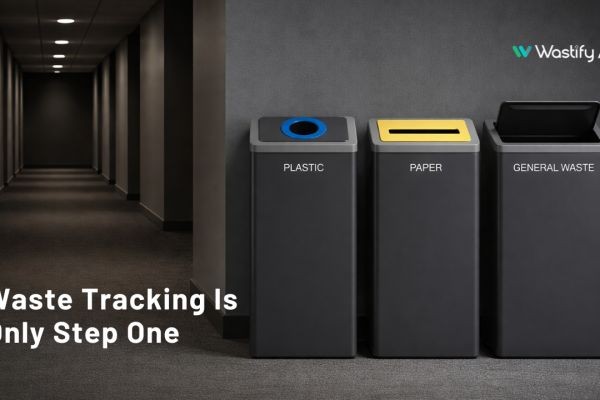
Across the commercial property sector, waste tracking has rapidly become standard practice. Monthly tonnage reports are generated, recycling rates circulate through email chains, and dashboa..

Waste tracking has matured. Dashboards look polished. Monthly tonnage reports are standard. But here’s the truth: measurement is not management.

For years, ESG performance in commercial buildings was driven mostly by targets, frameworks, and reporting cycles. But today, the real differentiator isn’t how impressive the targets look, i..

Commercial buildings are designed to operate efficiently with optimised HVAC systems, planned waste streams, stable water consumption, and predictable energy behaviour.

Sustainability in commercial buildings is often spoken about in terms of long-term targets, certifications, or strategic frameworks.
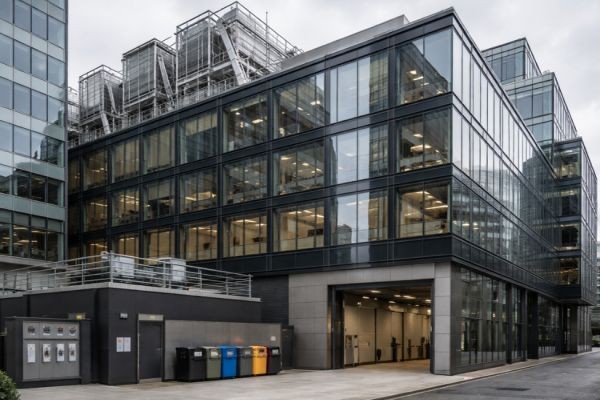
Commercial buildings are designed to perform efficiently. Energy models are calculated. Waste infrastructure is planned.
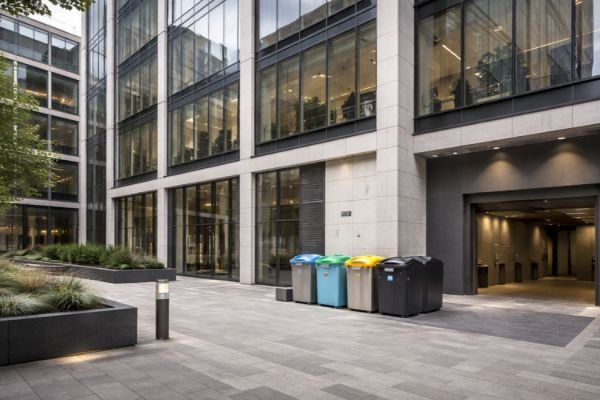
ESG targets look strong in presentations. Net-zero pledges, carbon reduction percentages, sustainability commitments, they signal ambition.

Operational ESG for commercial buildings is no longer about annual reporting or high-level sustainability commitments.

Across the UK, the way buildings handle waste is undergoing its biggest shift in decades.

European plastics recycling has reached a critical juncture. Plastics Recyclers Europe (PRE) reports the sharpest decline on record for 2024, with hundreds of kilotonnes of capacity closed a..
The European plastics recycling sector is facing its most significant downturn in over a decade, with 2024 marking the “sharpest decline” on record.

Imagine managing a portfolio of commercial buildings across Europe, only to find that the very systems meant to handle waste are crumbling.
The European plastics recycling sector is facing its most severe downturn in decades, with facility closures and plummeting capacity threatening environmental targets and commercial waste st..
Commercial property managers and ESG leads across the UK are facing an escalating, yet often unseen, crisis: battery fires within waste streams.
London is facing a growing challenge: waste battery fires at municipal and private waste facilities.
Imagine a routine collection day turning into chaos: a bin lorry engulfed in flames, all because of a discarded e-bike battery.
The London waste sector is sounding the alarm: battery fires have reached epidemic levels, with incidents rising by over 50% year-on-year across the capital.

Fly-tipping, once dismissed as mere littering, has escalated into an organised crime epidemic across the UK, costing taxpayers and landowners millions.

Imagine arriving at your commercial property to find piles of illegally dumped waste cluttering the site. This is not a rare occurrence but a surging crisis affecting businesses across the U..
The drive towards a circular economy in the UK is gaining momentum, with the Government's 'Circular Economy Growth Plan' for England now anticipated in the new year.






