
Introduction
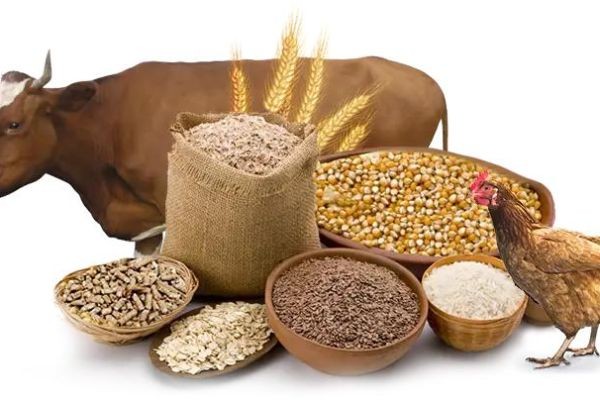
The Animal Nutrition market is evolving from a conventional feed-support industry into a technology-driven ecosystem focused on animal health, productivity, feed efficiency, and sustainability. The landscape spans feed ingredients, premixes, amino acids, vitamins, minerals, enzymes, probiotics, specialty additives, functional nutrition products, and nutritional services. These solutions serve diverse applications across poultry, swine, cattle, aquaculture, companion animals, and other livestock segments.
Changing food consumption patterns, expanding commercial livestock production, rising pet ownership, and increasing attention to animal welfare are reshaping demand. At the same time, producers face pressure to control feed costs, improve conversion efficiency, maintain animal health, and reduce environmental impacts. This combination is encouraging suppliers to move beyond basic nutritional formulations toward specialized, measurable, and science-based solutions.
Broad Structure of the Market
The Animal Nutrition market consists of several interconnected layers. At the upstream level, ingredient producers supply cereals, proteins, amino acids, vitamins, minerals, enzymes, oils, specialty fats, and other nutritional components. These materials are then processed into premixes, concentrates, compound feeds, supplements, and functional formulations.
Feed manufacturers and nutrition companies occupy the central portion of the value chain. They combine ingredients according to species-specific requirements, production objectives, age, health conditions, and environmental factors. Downstream customers include commercial farms, integrated livestock producers, aquaculture operations, pet food manufacturers, veterinary channels, and distributors.
This structure creates a competitive environment in which companies compete not only on product price but also on formulation expertise, consistency, technical support, quality assurance, supply reliability, and demonstrated performance.
Competitive Landscape
Competition in Animal Nutrition is characterized by the presence of multinational nutrition companies, diversified agricultural corporations, specialty ingredient manufacturers, regional feed suppliers, and innovative biotechnology businesses. Large companies generally benefit from extensive distribution networks, established customer relationships, broad product portfolios, and substantial research capabilities.
Smaller and specialized companies frequently compete through product differentiation. Their strategies may center on probiotics, phytogenics, enzymes, gut-health solutions, alternative proteins, precision nutrition, or species-specific formulations. This allows niche suppliers to address emerging nutritional requirements without competing solely on scale.
Strategic partnerships are also becoming increasingly important. Ingredient suppliers may collaborate with feed manufacturers, technology providers, research institutions, veterinary organizations, and farms to validate new solutions and accelerate commercialization.
Species-Specific Market Dynamics
Different animal categories create distinct opportunities within the market.
Poultry remains an important application because producers continuously seek better feed conversion, growth performance, immunity, and flock consistency. Nutritional products designed to support gut health and nutrient utilization are particularly relevant in intensive production systems.
Swine nutrition is increasingly centered on digestibility, intestinal health, protein optimization, and alternatives to conventional antibiotic-based approaches. Precision formulation can help producers reduce unnecessary nutrient inputs while maintaining productivity.
Ruminant nutrition focuses strongly on milk yield, meat production, rumen function, feed efficiency, mineral balance, and overall herd health. Nutritional interventions that improve resource utilization and reduce production-related environmental impacts are gaining strategic importance.
Aquaculture represents another significant area of development. As aquaculture production expands, feed manufacturers are exploring alternative protein sources, functional ingredients, improved digestibility, and formulations designed for different aquatic species and farming conditions.
Companion animal nutrition adds a premium-oriented dimension. Pet owners increasingly seek specialized diets addressing life stage, digestive health, weight management, allergies, and overall wellness. This has encouraged product innovation and increased emphasis on ingredient quality and nutritional transparency.
Shift Toward Functional Nutrition
One of the strongest developments shaping the market landscape is the transition from basic nutrient supplementation toward functional nutrition. Producers increasingly expect nutritional products to provide multiple benefits, such as supporting immunity, digestive health, stress management, feed efficiency, and animal performance.
Probiotics, prebiotics, enzymes, organic acids, phytogenic compounds, postbiotics, and specialized amino acid formulations are gaining attention as companies seek alternatives and complements to traditional nutritional approaches.
The growing emphasis on microbiome management is particularly significant. Better understanding of the relationship between gut microorganisms, digestion, immunity, and animal performance is opening opportunities for targeted nutritional products.
Precision Nutrition and Digitalization
Technology is becoming an important competitive differentiator. Precision nutrition uses information about animal genetics, age, health, feed composition, production performance, and environmental conditions to develop more accurate feeding strategies.
Artificial intelligence, machine learning, sensors, automated feeding equipment, and data analytics are supporting more individualized nutritional decisions. These technologies can help producers adjust feed formulations according to changing requirements rather than relying exclusively on fixed feeding programs.
Digitalization is also changing how suppliers demonstrate product value. Performance data, farm-level analytics, remote monitoring, and predictive models can strengthen customer relationships by connecting nutritional inputs with measurable production outcomes.
Sustainability as a Competitive Factor
Environmental considerations are increasingly influencing the Animal Nutrition market. Feed production represents a major component of livestock production costs and resource use, making feed efficiency a central sustainability issue.
Companies are therefore developing solutions designed to improve nutrient digestibility, reduce nutrient waste, optimize protein utilization, and support more efficient animal growth. Alternative feed ingredients are also receiving attention as producers seek to diversify raw material supplies and reduce pressure on conventional resources.
Sustainability is becoming broader than environmental performance alone. Supply-chain resilience, responsible sourcing, animal welfare, food safety, and resource efficiency are increasingly incorporated into product development and corporate strategies.
Regional Market Landscape
Asia-Pacific represents a major center of activity because of its substantial livestock and aquaculture production base, expanding food demand, and growing commercial farming sector. Large-scale poultry, swine, dairy, and aquaculture operations create opportunities for feed additives, premixes, functional ingredients, and nutritional services.
North America has a mature and technologically advanced market characterized by sophisticated feed formulation, extensive research activity, specialized livestock production, and increasing interest in precision feeding.
Europe has a strong emphasis on feed safety, sustainability, animal welfare, and regulatory compliance. These priorities encourage innovation in functional ingredients, alternative nutritional solutions, and efficient feeding systems.
Latin America offers considerable opportunities because of its strong agricultural and livestock industries. Expansion of poultry, swine, cattle, and aquaculture production can support demand for nutritional technologies that improve productivity and cost efficiency.
The Middle East and Africa present a more diverse landscape, with opportunities linked to livestock development, feed availability, climate-related production challenges, and the modernization of commercial farming systems.
Raw Material and Supply Chain Considerations
Input costs remain an important competitive factor. Prices and availability of grains, proteins, oils, amino acids, vitamins, and specialty ingredients can influence formulation economics and profitability throughout the value chain.
Supply disruptions, transportation challenges, geopolitical uncertainty, weather conditions, and changing agricultural yields can affect ingredient availability. Consequently, manufacturers are increasingly interested in diversified sourcing, local production capabilities, inventory planning, and alternative ingredients.
Companies with flexible formulation capabilities and resilient supply networks may have an advantage when raw material conditions become volatile.
Innovation and Product Development
Research and development is central to competition. Companies are investing in new formulations, improved delivery systems, encapsulation technologies, microbial solutions, enzymes, botanical ingredients, and nutrient combinations.
The objective is increasingly to create products with clearly defined mechanisms and measurable benefits. This favors companies capable of combining nutritional science with animal health knowledge, analytical technologies, and field validation.
Product development is also becoming more species-specific. Instead of offering standardized solutions across multiple applications, suppliers are developing targeted products based on the nutritional and physiological characteristics of individual animals.
Key Challenges Shaping Competition
Despite strong opportunities, the market faces several challenges. Feed ingredient price volatility can reduce margins and make premium nutritional products difficult to adopt in price-sensitive markets. Regulatory requirements can also vary significantly between countries, increasing product registration and compliance complexity.
Another challenge is proving the economic value of specialized products. Producers increasingly expect clear evidence that a nutritional intervention can improve productivity, reduce costs, or enhance animal health sufficiently to justify its price.
Education is equally important. Advanced nutritional products may require technical guidance, formulation expertise, and farm-level support. Companies that combine products with advisory services can therefore strengthen customer adoption.
Future Competitive Outlook
The future Animal Nutrition market [https://www.pristinemarketinsights.com/animal-nutrition-market-report] landscape is likely to be shaped by the convergence of nutrition, biotechnology, animal health, data analytics, and sustainability. Companies will increasingly compete through integrated solutions rather than individual ingredients.
Precision feeding, microbiome-focused nutrition, alternative feed resources, functional additives, and data-driven formulation are expected to remain important innovation areas. The ability to demonstrate measurable improvements in feed efficiency, animal performance, welfare, and environmental outcomes will become increasingly valuable.
Overall, the Animal Nutrition market is moving toward a more specialized, evidence-based, and technology-enabled structure. Established companies can leverage scale and global distribution, while specialized innovators can capture opportunities through differentiated products and scientific expertise. As producers seek greater efficiency and resilience, the competitive landscape will increasingly reward companies that combine nutritional performance, reliable supply, technical support, and sustainable value creation.






