
Introduction
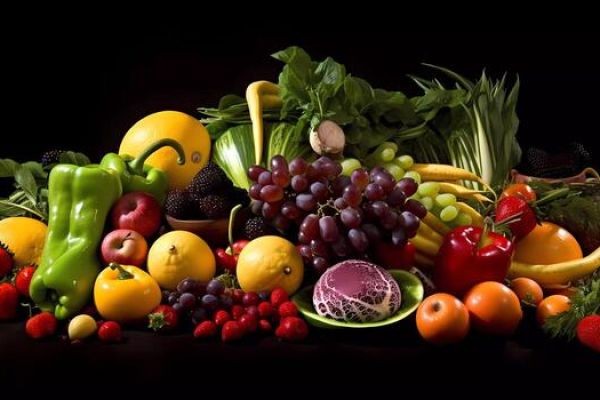
The anthocyanin market trends is growing as industries worldwide shift toward natural, clean-label, and health-focused ingredients. Anthocyanins are pigments that give fruits and vegetables their red, blue, and purple colors. They are valued not only for natural coloring but also for antioxidant and wellness benefits.
This market is not limited to one country or industry. It connects farmers, processors, exporters, manufacturers, and consumers across continents, forming a global supply chain driven by health trends and sustainability.
Step 1: Raw Material Sourcing
Major Plant Sources
Anthocyanins are mainly extracted from:
-
Berries (blueberries, blackberries, raspberries)
-
Grapes and grape skins
-
Purple corn
-
Black rice
-
Red cabbage and purple carrots
These crops are grown in different regions based on climate and soil conditions.
Key Producing Regions
-
North America: Berries and grapes
-
Europe: Grapes, berries, and vegetables
-
Asia-Pacific: Purple rice, purple corn, sweet potatoes
-
Latin America: Purple corn, berries
-
Africa: Emerging berry and grape production
Farmers play a crucial role because climate, soil, and farming methods affect pigment quality and concentration.
Step 2: Collection And Primary Processing
After harvest, crops are sent to processing units. Here they are:
-
Cleaned and sorted
-
Crushed or juiced
-
Prepared for pigment extraction
Some anthocyanins come from by-products such as grape skins and berry waste from juice and wine industries. This reduces waste and supports sustainable practices.
Step 3: Extraction And Refining
Extraction is a critical part of the supply chain. Companies use methods such as:
-
Water-based extraction
-
Solvent extraction
-
Enzyme-assisted extraction
-
Membrane filtration
The goal is to achieve high purity and strong color while protecting antioxidant properties.
After extraction, anthocyanins are refined into:
-
Liquid concentrates
-
Powders
-
Encapsulated forms for better stability
Step 4: Stabilization And Packaging
Anthocyanins are sensitive to heat, light, oxygen, and pH changes. To protect them, manufacturers use:
-
Microencapsulation
-
Spray drying
-
Protective packaging
-
Controlled storage conditions
Proper stabilization allows anthocyanins to travel long distances without losing quality.
Step 5: Global Trade And Distribution
Exporting Countries
Countries with strong agriculture and processing capacity export anthocyanin products to global markets. Major exporters include:
-
United States
-
China
-
European countries
-
Some Latin American nations
Importing Regions
Large importing markets include:
-
North America
-
Europe
-
Asia-Pacific
-
Middle East
These regions have strong food, supplement, and cosmetic industries that need natural ingredients.
Step 6: Use In Manufacturing
Food And Beverage Industry
Anthocyanins are used in:
-
Juices and flavored drinks
-
Dairy products
-
Bakery and confectionery
-
Functional and sports drinks
Nutraceutical Industry
Used in:
-
Capsules and tablets
-
Powders and drink mixes
-
Liquid extracts
Cosmetics Industry
Used in:
-
Natural makeup
-
Skincare creams and serums
-
Lip and cheek tints
Manufacturers buy stabilized anthocyanins from suppliers and blend them into finished products.
Step 7: Retail And Consumer Market
Finished products reach consumers through:
-
Supermarkets
-
Health food stores
-
Pharmacies
-
Online platforms
Consumers choose products labeled as “naturally colored,” “plant-based,” or “rich in antioxidants,” increasing demand for anthocyanins.
Trade Challenges In The Anthocyanin Market
Climate Dependence
Crop yield and quality depend on weather and climate change. Poor harvests can affect supply and prices.
Cost Pressure
Natural extraction is more expensive than making synthetic dyes. This affects product pricing and profit margins.
Stability During Transport
Long-distance shipping can expose products to heat and light, reducing quality if not properly packaged.
Quality Standards
Different countries have different regulations for food and cosmetic ingredients, making global trade complex.
How Companies Manage Supply Chain Risks
-
Partnering directly with farmers
-
Using contract farming
-
Investing in storage and cold-chain logistics
-
Developing strong stabilization technology
-
Meeting international quality standards
These steps reduce risk and improve reliability.
Regional Role In The Supply Chain
North America
Strong consumer demand and advanced processing technology.
Europe
Strict rules favor natural ingredients and high-quality standards.
Asia-Pacific
Fast-growing consumer market and major agricultural producer.
Latin America And Africa
Important raw material suppliers with growing local demand.
Future Of Global Anthocyanin Trade
The future supply chain will focus on:
-
Sustainable and ethical sourcing
-
Use of agricultural waste for extraction
-
Better storage and transport technology
-
Digital tracking of supply chains
-
Expansion into emerging markets
As demand grows, companies will invest more in efficient and eco-friendly trade systems.
Conclusion
The Anthocyanin Market is not just about natural color—it is a global system that connects farms, factories, ports, and consumers. From berries in farms to functional drinks on store shelves, every step of the supply chain adds value.
With rising demand for clean-label, plant-based, and health-focused products, global trade in anthocyanins will continue to grow. Strong supply chains, sustainable sourcing, and advanced technology will shape the future of this market.






