
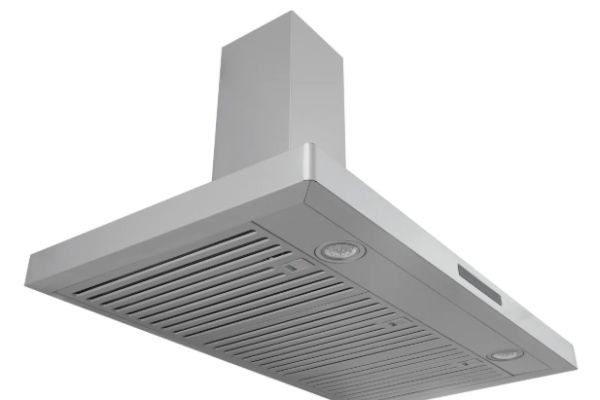
Kitchen ventilation is an important factor in maintaining a clean, comfortable, and healthy cooking environment. While traditional vented systems remain popular, many homeowners face installation limitations that make ductwork difficult or expensive to add. This has increased interest in ductless wall-mount range hoods [https://prolinerangehoods.com/collections/recirculating-ductless-wall-mounted-range-hoods], which provide an alternative method for managing cooking fumes, odors, and airborne grease. Designed to filter and recirculate air back into the kitchen, these systems offer flexibility for various home layouts while helping improve indoor air quality. Understanding their features and advantages can help homeowners make informed decisions when upgrading their kitchens.
How Ductless Range Hoods Work
The ductless wall-mount range hoods operate differently from vented systems. Instead of exhausting air outdoors, they use filters to capture grease, smoke particles, and cooking odors before recirculating the cleaned air back into the room.
Most models rely on a combination of grease filters and activated charcoal filters. The grease filters trap airborne oil particles, while charcoal filters help reduce odors generated during cooking. This filtration process allows the hood to improve air quality without requiring exterior ductwork.
Because they do not depend on vent installations, these systems can often be installed in locations where traditional vented options are impractical.
Easier Installation for Many Homes
One of the primary reasons homeowners choose ductless wall-mount range hoods is installation convenience. Adding ductwork can involve structural modifications, wall penetrations, and additional labor costs.
Ductless models eliminate many of these challenges. Since no external venting path is needed, installation is generally less invasive and may be completed more quickly. This makes them particularly appealing for apartments, condominiums, renovated kitchens, and homes where duct routing is difficult.
The simplified installation process often provides greater flexibility when planning kitchen layouts.
Effective Odor and Grease Control
Cooking odors can linger long after meals are prepared, especially in open-concept living spaces. Ductless wall-mount range hoods help address this issue by filtering airborne contaminants before they spread throughout the home.
Although they may not remove heat and moisture as effectively as vented systems, modern filtration technology can significantly reduce common cooking odors and grease particles. Regular filter maintenance helps ensure consistent performance and supports cleaner indoor air.
This benefit is especially valuable for households that cook frequently or prepare foods with strong aromas.
Aesthetic Appeal and Space Efficiency
Many homeowners consider kitchen appliances part of the overall design aesthetic. ductless wall-mount range hoods are available in a variety of styles, finishes, and profiles that complement modern kitchen designs.
Wall-mounted configurations often serve as visual focal points above cooking surfaces while maintaining a sleek appearance. Their design versatility allows homeowners to match ventilation equipment with cabinetry, countertops, and other kitchen elements.
As kitchen design trends continue to emphasize clean lines and open spaces, these hoods remain a popular choice for contemporary interiors.
Maintenance Requirements to Consider
Like any filtration system, ductless wall-mount range hoods require regular maintenance to function efficiently. Grease filters typically need periodic cleaning, while charcoal filters must be replaced according to manufacturer recommendations.
Neglecting maintenance can reduce airflow and filtration effectiveness. Fortunately, most modern systems are designed with accessible filters that simplify cleaning and replacement.
Factors to Evaluate Before Choosing a Model
When comparing range hood options, homeowners should consider several important factors:
- Airflow capacity
- Filter quality and replacement frequency
- Noise levels during operation
- Kitchen size and cooking habits
- Design compatibility with existing décor
Conclusion
Selecting the right kitchen ventilation solution depends on factors such as installation constraints, budget, cooking habits, and design preferences. Ductless systems offer a practical alternative for homeowners who want improved air filtration without the complexity of adding exterior ductwork. For those comparing different ventilation styles, an under-cabinet hood [https://prolinerangehoods.com/collections/under-cabinet-range-hoods] may also be worth considering, depending on available space and kitchen configuration.






