
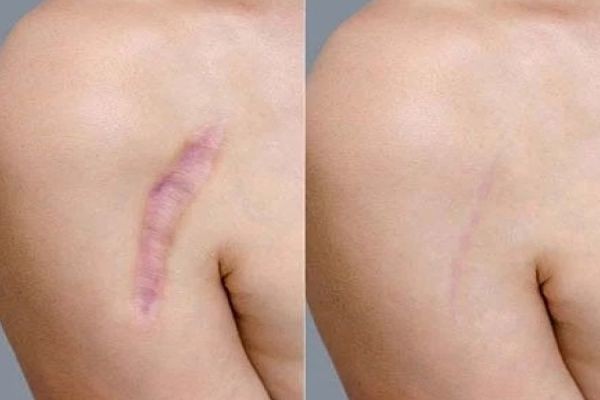
Scars are a natural part of the body’s healing process, but not all scars heal in a way that feels comfortable or visually balanced. Their appearance can change over time, influenced by skin type, wound depth, and how the body repairs tissue. Many people consider corrective procedures to improve the texture, color, or alignment of scars when they become more stable and predictable. One of the most important factors in achieving satisfying results is timing, as the skin must be ready to respond properly to treatment. When performed at the right stage of healing, Surgical Scar Revision in Dubai [https://www.royalclinicdubai.com/en-ae/cosmetic-surgery/surgical-scar-revision/] can significantly enhance both appearance and skin function, allowing the tissue to blend more naturally with surrounding areas while reducing visibility and irregularity.
Understanding Scar Maturation Process
Scars do not form instantly into their final shape. Instead, they go through a long biological process called maturation, which can take several months to over a year. In the early stages, scars often appear red, raised, and firm due to active collagen production. Over time, the body gradually reorganizes this collagen, causing the scar to soften and fade in color.
During this phase, the tissue becomes less vascular, meaning blood flow decreases, and inflammation reduces significantly. This natural progression is essential because any corrective intervention done too early may interfere with the body’s healing process and lead to unpredictable outcomes. Understanding this timeline helps in identifying when the scar has reached a stable condition suitable for refinement.
Factors That Influence Timing of Scar Revision
Several biological and environmental factors influence when a scar becomes suitable for revision. Skin elasticity plays a major role, as more flexible skin tends to adapt better to corrective techniques once healing stabilizes. Similarly, the depth and severity of the original injury determine how long the scar takes to mature.
Genetic factors also contribute, as some individuals naturally produce thicker or more noticeable scars due to their collagen response. External factors such as sun exposure, skincare routine, and overall health condition can either slow down or support the healing process. A stable scar that is no longer changing in color, thickness, or texture is generally considered more appropriate for intervention.
Early vs Delayed Scar Revision
Timing plays a critical role in determining whether early or delayed intervention is more effective. Early revision may sometimes be considered in cases where the scar causes functional limitations, but it often carries a higher risk of recurrence or irregular healing because the tissue is still active and remodeling.
Delayed revision, on the other hand, allows the scar to fully mature, making it easier to assess its final structure. At this stage, the tissue has stabilized, and improvements tend to be more predictable and long-lasting. Most individuals experience better symmetry, smoother texture, and more natural blending when revision is performed after the scar has completed its maturation cycle.
Ideal Waiting Period After Injury or Surgery
The waiting period before considering scar revision varies depending on the individual and the nature of the scar. In general, most scars require several months before they settle into a stable condition. During this time, redness gradually fades, and firmness decreases.
Allowing the body sufficient time to complete its natural repair process ensures that any corrective approach works with the tissue rather than against it. Rushing into treatment too early can result in incomplete correction or the need for additional procedures later. Patience during this phase is essential for achieving refined and consistent outcomes.
How Skin Type and Healing Affect Results
Every individual heals differently, and skin type plays a major role in how scars form and respond to revision. Oily skin may heal differently compared to dry or sensitive skin, and darker skin tones may have a higher tendency toward pigmentation changes.
The body’s collagen production rate also influences scar behavior. Some people form thicker scar tissue that takes longer to soften, while others experience quicker fading. Proper evaluation of skin characteristics helps in identifying the most suitable time window for revision, ensuring that the final result appears smooth and natural without disrupting surrounding tissue balance.
Signs Your Scar Is Ready for Revision
There are several indicators that suggest a scar has reached maturity and may be ready for corrective treatment. One of the most important signs is the absence of significant color change over several months. If the scar has stopped becoming red or dark and remains stable, it is often a sign that the healing phase has slowed.
Another indicator is texture stability. A mature scar typically feels softer and less raised compared to earlier stages. Additionally, the absence of discomfort such as itching or tightness suggests that the inflammatory phase has subsided. When these conditions are met, the tissue is generally more responsive to refinement procedures and less likely to undergo unpredictable changes afterward.
Recovery Expectations After Scar Revision Timing
The outcome of scar revision is strongly influenced by timing. When performed at the right stage, healing tends to be smoother, with reduced risk of irregular texture or pigmentation changes. The skin integrates more evenly, and the scar gradually becomes less noticeable over time.
Proper timing also supports faster recovery, as the tissue is already in a stable condition and does not require extended healing cycles. As the skin continues to remodel after revision, improvements become more refined and natural-looking, enhancing overall skin harmony and confidence in appearance.
Book Us
When considering refinement options for scar improvement, understanding timing is essential for achieving balanced and natural results. A well-planned approach ensures that the skin responds positively and that long-term outcomes remain consistent. Choosing the right stage in the healing journey makes a significant difference in both appearance and recovery experience. If you are exploring personalized care options, Surgical Scar Revision [https://www.ukwomenorg.com/read-blog/31084_can-surgical-scar-revision-fix-uneven-skin.html] can be discussed in detail to determine suitability based on scar maturity and skin condition. For professional guidance and tailored solutions, Enfield Royal Clinic Dubai offers structured support designed to help individuals achieve smoother and more refined skin appearance through carefully timed treatment planning.






