
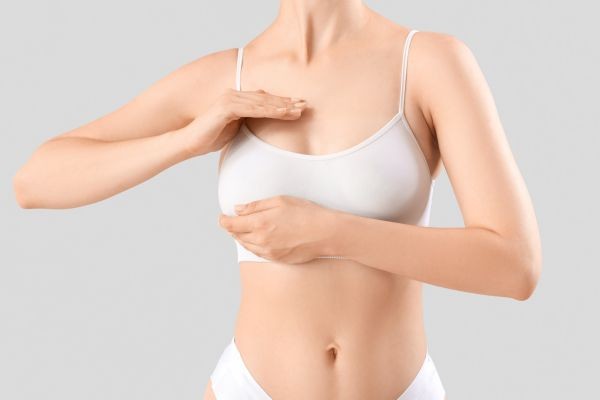
Breast augmentation is a cosmetic surgical procedure designed to increase breast size, improve breast shape, or restore volume that may have changed after pregnancy, breastfeeding, weight fluctuations, or aging. For women considering Breast Augmentation in Islamabad, understanding the procedure, implant choices, recovery process, and possible risks can help support a well-informed decision.
What Is Breast Augmentation?
Breast augmentation involves placing an implant beneath the breast tissue or chest muscle to enhance breast volume. The procedure can also help improve breast symmetry and create a fuller appearance. Breast implants are generally available as saline-filled or silicone gel-filled options, with different shapes, sizes, and surface characteristics.
During a consultation, the surgeon considers factors such as your natural breast size, chest structure, skin quality, body proportions, lifestyle, and desired appearance. These factors help determine an appropriate implant size and placement.
Who May Consider Breast Augmentation?
Breast augmentation may be considered by adults who are dissatisfied with breast volume or asymmetry and have realistic expectations about the outcome. Some women seek augmentation after pregnancy or significant weight loss, while others simply want to increase breast fullness.
A detailed medical assessment is important before surgery. Your surgeon should review your medical history, previous procedures, medications, allergies, and any factors that could affect healing.
What Happens During the Surgery?
Breast augmentation is performed under anesthesia, and the surgeon creates an incision through which the implant is positioned. Depending on your anatomy and treatment goals, the implant may be placed under the breast tissue or partially or completely beneath the chest muscle.
The incision location and implant placement vary from patient to patient. Your surgeon should explain the available options and discuss the expected benefits, limitations, scars, and potential complications before surgery. The FDA recommends that patients receive detailed implant information and discuss the risks and benefits with their healthcare provider before making a decision.
Choosing the Right Implant
Implant selection is an important part of breast augmentation planning. Silicone gel and saline implants differ in their feel, appearance, and characteristics. Implants are also available in different sizes and shapes.
Choosing the largest possible implant is not necessarily the best approach. A suitable implant should complement your existing breast tissue, chest width, skin characteristics, and overall proportions. Your surgeon can help you understand how different implant options may affect your final appearance.
What to Expect During Recovery
Recovery varies between individuals. Immediately after surgery, it is normal to experience swelling, bruising, tightness, tenderness, or discomfort around the breasts. These symptoms generally improve as healing progresses.
Your surgeon will provide specific instructions regarding medication, wound care, sleeping positions, supportive garments, bathing, and physical activity. Avoid strenuous exercise and heavy lifting until your healthcare provider confirms that it is safe to resume these activities.
Most patients gradually return to everyday activities as their comfort and healing improve. However, complete settling of the breasts can take longer than the initial recovery period. Following postoperative instructions carefully can support proper healing.
Risks and Long-Term Considerations
Like any surgery, breast augmentation carries potential risks. These may include infection, bleeding, changes in breast or nipple sensation, scarring, asymmetry, implant movement, capsular contracture, rupture, and the possibility of additional surgery.
It is also important to understand that breast implants are not considered lifetime devices. The FDA notes that the longer implants remain in place, the greater the possibility of complications or future surgery to remove or replace them.
Patients with implants should continue appropriate breast health monitoring and inform healthcare professionals about their implants when undergoing breast imaging. Silicone implants may also require periodic imaging for rupture screening according to current medical guidance.
How to Prepare for Breast Augmentation
Preparation starts with an honest discussion about your expectations. Bring questions about implant type, size, placement, incision location, recovery, possible complications, and long-term monitoring to your consultation.
You should also follow your surgeon's instructions regarding medications, smoking, diet, and activity before surgery. Smoking can interfere with healing, so patients who smoke may be advised to stop before and after the procedure.
FAQs
How long does breast augmentation recovery take?
Initial recovery may take several weeks, although swelling and changes in breast position can continue to improve over a longer period. Your individual recovery depends on the procedure and your healing response.
Are breast implants permanent?
No. Breast implants are not lifetime devices, and some patients may eventually require additional surgery for replacement or removal.
Can breast augmentation correct asymmetry?
Breast augmentation can improve certain types of breast asymmetry, although complete symmetry cannot always be achieved. Your surgeon will assess your natural anatomy before recommending an approach.
When can I exercise after breast augmentation?
Strenuous exercise and heavy lifting are usually restricted during the early recovery period. You should resume activities according to your surgeon's specific instructions.
Are there risks associated with breast implants?
Yes. Potential complications include infection, pain, capsular contracture, rupture, changes in sensation, asymmetry, and additional surgery. Rare complications such as BIA-ALCL have also been associated with breast implants.
Final Thoughts
Breast augmentation can enhance breast volume and proportions, but choosing the right procedure requires careful planning and realistic expectations. If you are considering Breast Augmentation in Islamabad, discuss your goals, implant options, recovery requirements, and potential risks with a qualified healthcare professional before proceeding. A personalized consultation can help you understand whether breast augmentation is appropriate for your individual needs.






