
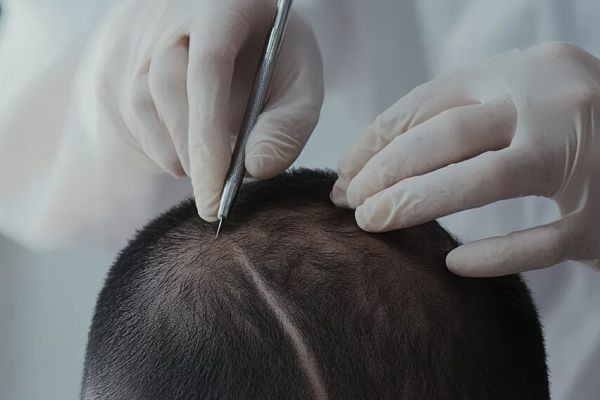
Hair restoration through modern techniques has transformed how individuals approach thinning hair and baldness, offering more refined and natural-looking outcomes than ever before. Among these advanced methods, patient expectations are often centered around how quickly hair begins to grow and how dense the final result will appear. In the case of DHI Direct Hair Implant in Dubai [https://www.royalclinicdubai.com/en-ae/hair-transplant/dhi-direct-hair-implant/], the focus is not only on restoring lost hair but also on achieving a gradual, natural progression that blends seamlessly with existing hair. Understanding the timeline of growth, density development, and influencing factors is essential for setting realistic expectations and appreciating the biological process that follows implantation.
Initial Healing and Early Shedding Phase
The first few weeks after implantation represent a crucial adjustment period for the scalp. During this stage, the newly placed follicles enter a resting phase as they adapt to their new environment. It is common for transplanted hair shafts to shed within two to four weeks, a process often referred to as shock shedding. While this may seem concerning, it is a completely normal part of the hair cycle and does not indicate failure of the procedure.
Underneath the scalp, the follicles remain intact and begin establishing a blood supply connection with the surrounding tissue. This vascular integration is essential for long-term survival and growth. The scalp may also experience mild redness or sensitivity during this stage, gradually subsiding as healing progresses. Although visible density is minimal at this point, the foundation for future growth is actively forming beneath the surface.
Early Growth Phase Between Three to Six Months
Between the third and sixth month, the most noticeable transformation begins. New hair strands start emerging from previously implanted follicles, although they may initially appear fine, soft, and uneven in texture. This phase is often referred to as the “awakening stage” of the follicles.
The emerging hairs gradually increase in thickness and strength over time. While density is still developing, early coverage becomes visible, giving patients the first real indication of improvement. The direction and angle of growth also begin to align more naturally with surrounding hair, contributing to a more realistic appearance.
At this stage, patience is essential because the hair is still in its maturation cycle. Growth rates may vary across different regions of the scalp, with some areas responding faster than others. This variation is normal and typically balances out as the cycle progresses.
Maturation Phase Between Six to Twelve Months
The six to twelve-month period marks the most significant stage of visual improvement. Hair strands become noticeably thicker, darker, and stronger as follicles transition fully into the active growth phase. This is when overall density begins to significantly improve, creating a fuller and more uniform look.
By the ninth month, many individuals observe a clear transformation in coverage, especially in previously sparse areas. The hair texture continues to stabilize, blending more naturally with existing strands. As blood circulation and follicular strength improve, growth consistency also increases across the treated areas.
By the end of the first year, most of the final cosmetic outcome becomes visible. However, subtle refinements in texture and density may continue beyond twelve months, as hair cycles naturally complete their maturation process. The result is a progressively evolving improvement rather than an instant change, ensuring a more organic appearance.
Key Factors That Influence Final Density and Growth
Several biological and procedural factors play a role in determining how dense and natural the final outcome appears. One of the most important is the quality of the donor hair, as stronger follicles tend to produce thicker and more resilient strands. The characteristics of the hair, such as thickness, curl pattern, and color contrast, also significantly affect perceived density.
Scalp health is another critical element. A well-nourished and well-vascularized scalp provides a more supportive environment for follicle survival and growth. Proper post-procedure care, including gentle handling of the scalp and adherence to recommended guidelines, also enhances overall results.
The precision of implantation, including angle, depth, and distribution of follicles, directly impacts how natural the final hairline and coverage appear. Even distribution ensures that density is balanced and avoids unnatural clustering or gaps. Additionally, individual healing response and genetic factors can influence the speed and quality of regrowth.
Managing Expectations and Supporting Optimal Outcomes
Understanding the natural timeline of hair growth is essential for maintaining realistic expectations. Hair restoration is a gradual process that unfolds over many months, and early results should not be mistaken for final outcomes. The most successful experiences are often those where individuals remain consistent with aftercare and allow sufficient time for full maturation.
Lifestyle choices can also contribute to better results. A balanced diet, reduced stress levels, and proper scalp hygiene support follicular health and improve overall growth quality. While results vary from person to person, most individuals experience a significant improvement in both coverage and density within the first year.
It is also important to recognize that density is not solely about the number of hairs but how naturally they are distributed and how well they integrate with existing hair. A well-planned implantation strategy focuses on creating visual fullness rather than simply increasing hair count.
The journey of hair restoration is a progressive transformation that relies on biological cycles and careful follicular adaptation. With consistent growth patterns and gradual thickening, individuals can expect meaningful improvements in both appearance and confidence over time. In the final stage of recovery, Dhi Direct Hair Implant [https://friendza.enroles.com/read-blog/143150] demonstrates how advanced implantation techniques can deliver natural-looking density and long-lasting hair restoration results when the growth process is fully realized.






