
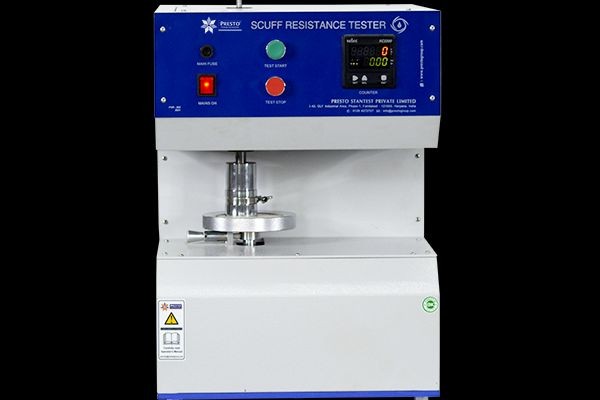
In the packaging, printing, and coating industries, surface durability is very important. Products often face friction during handling, transportation, and storage. This friction can cause scuffing, which affects appearance, readability, and overall product quality. To prevent these problems, manufacturers use a Scuff Tester [https://www.prestogroup.com/products/scuff-tester/] to evaluate how well a material can resist rubbing and abrasion. Understanding how this instrument measures and interprets results helps businesses maintain high-quality standards.
What Is Scuff Testing?
Scuff testing is a method used to determine how resistant a surface is to rubbing or abrasion. Materials such as printed cartons, labels, laminates, coated papers, and plastic films are commonly tested. The purpose is to simulate real-world conditions where surfaces may rub against each other repeatedly.
A Scuff Tester recreates this friction in a controlled way so manufacturers can evaluate durability before products reach the market. This helps reduce customer complaints and product damage.
How a Scuff Tester Works
A Scuff Tester [https://www.prestogroup.com/products/scuff-tester/] typically works by rubbing two surfaces together under controlled pressure and speed. One sample remains fixed while another moves back and forth over it. The machine allows adjustment of parameters like load, stroke speed, and test duration.
During the test, friction gradually affects the material surface. After completion, operators examine the sample for visible damage, color loss, scratches, or coating removal. These observations provide valuable information about product performance.
This simple yet effective process ensures repeatable results and reliable quality assessment.
Measurement Parameters Used in Testing
To analyze scuff resistance accurately, several factors are considered:
Friction Pressure
The applied load affects how much rubbing force the surface experiences. Higher pressure usually increases wear.
Test Speed and Cycles
Speed and number of rubbing cycles simulate real usage conditions. More cycles mean more stress on the material.
Surface Condition
Smooth or coated surfaces behave differently from rough ones. Proper sample preparation ensures accurate readings.
A properly calibrated Scuff Tester ensures these parameters remain consistent during every test.
Interpreting Scuff Testing Results
Once the test is complete, the results must be carefully interpreted. The main goal is to understand whether the material can withstand expected handling conditions.
Visual Inspection
Operators check for scratches, fading, ink transfer, or coating damage. Visible defects indicate poor scuff resistance.
Weight or Thickness Changes
Some advanced tests measure minor changes in material thickness or weight after rubbing.
Performance Comparison
Manufacturers often compare results with standard samples to judge quality levels.
Using a Scuff Tester regularly allows companies to track improvements or detect problems early.
Importance of Quality Control
Quality control teams rely on accurate testing to maintain product standards. A Scuff Tester helps identify weak coatings, poor printing quality, or inadequate packaging materials before production scales up.
This proactive approach prevents costly rework and protects brand reputation. Consistent testing also supports compliance with industry standards and customer requirements.
Benefits of Using a Scuff Tester
There are several advantages to using this testing method:
-
Improved product durability and appearance
-
Reduced packaging damage during transport
-
Better customer satisfaction
-
Consistent manufacturing quality
-
Early detection of material issues
Because of these benefits, the Scuff Tester has become an essential tool in many industries.
Practical Tips for Accurate Results
To get reliable testing outcomes, certain best practices should be followed:
-
Ensure proper calibration before testing
-
Prepare samples carefully and consistently
-
Maintain clean testing surfaces
-
Follow standard testing procedures
-
Record data accurately for comparison
Regular maintenance of the Scuff Tester [https://www.prestogroup.com/products/scuff-tester/] also ensures long-term accuracy and performance.
Future Trends in Scuff Testing
As technology advances, testing equipment is becoming more automated and precise. Digital monitoring, improved sensors, and data analysis tools are making it easier to interpret results quickly. Modern systems help manufacturers respond faster to quality issues and optimize materials efficiently.
These developments will further enhance the reliability and usefulness of scuff testing in quality assurance processes.
Conclusion
Understanding how scuff testing works is essential for industries where surface durability matters. This process helps evaluate resistance to friction, maintain product appearance, and ensure customer satisfaction. A Scuff Tester [https://www.prestogroup.com/products/scuff-tester/] provides a controlled and reliable way to measure abrasion resistance, making it a valuable tool for quality control.






