
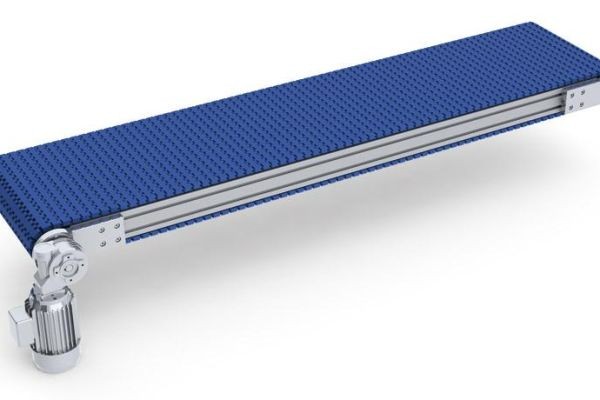
Every minute matters in manufacturing. When products slow down between workstations, production also slows down. This can increase labor costs and reduce output. That is why many manufacturers use a straight belt conveyor to keep materials moving from one process to the next. A steady flow helps save time and supports better productivity.
Many businesses also choose custom straight line conveyors instead of standard models. A custom system is built around the production line. It fits the available space, handles specific products, and supports daily operations more efficiently.
What Is a Custom Straight Belt Conveyor?
A custom conveyor is designed to meet the needs of a specific manufacturing process. Instead of using a fixed design, it can be built in different widths, lengths, and heights.
The belt type can also be selected based on the application. Some systems use flat belts. Others use vacuum belts for lightweight products or cleated belts to move items that need extra support. This flexibility allows one conveyor to handle many different production tasks.
Why Manufacturers Choose Custom Conveyor Systems
No two production lines work the same way. Some handle lightweight products, while others move larger or heavier items. A standard conveyor may not always fit these different requirements. That is why many manufacturers choose custom conveyor systems. They are built to match the available space, production layout, and the type of products being handled. This creates a smoother workflow and helps reduce unnecessary changes to existing equipment.
Benefits of Choosing a Custom Conveyor System
Some of the main advantages include:
- Better product flow: Products move smoothly from one production stage to the next with fewer interruptions.
- Less manual handling: Employees spend less time lifting, repositioning, or transporting materials by hand.
- Fewer production delays: A steady material flow helps reduce bottlenecks and keeps operations on schedule.
- Better use of floor space: Custom conveyor sizes fit the available workspace, making production areas more organized.
- Easier movement between workstations: Products travel efficiently between different processes, reducing unnecessary handling.
Together, these benefits help improve daily operations.
Supports Many Manufacturing Applications
Custom conveyor systems are used in many industries. They help move products during assembly, inspection, packaging, product delivery, and inkjet printing.
Different belt options make these systems even more useful. Vacuum belts help hold lightweight materials in place. Cleated belts help move products that could slide on a flat surface. By selecting the right belt, manufacturers can improve handling without changing the entire production line.
Customization Helps Improve Efficiency
One of the biggest advantages of a custom conveyor is flexibility. Manufacturers can choose features that fit their production process instead of settling for a standard design.
Common customization options include:
- Custom widths
- Custom lengths
- Adjustable conveyor height
- Flat belts
- Full-width belts
- Vacuum belts
- Cleated belts
These options help create a conveyor system that fits existing equipment and available workspace.
A Smart Choice for Future Growth
Production needs often change over time. A company may introduce new products, increase output, or add more equipment. A custom conveyor makes these changes easier to manage. Because the system is built around production requirements, it can continue supporting operations as the business grows. This reduces the need for major equipment changes later.
How to Choose the Right Conveyor
Before selecting a conveyor, manufacturers should review the entire production process. Product size, material type, production speed, and available floor space all play an important role.
It is also helpful to think about future plans. A conveyor with adjustable sizes and different belt options can adapt more easily as production changes. For facilities that move products in one direction through several workstations, straight line conveyors provide a simple and reliable solution.
Ending Note
A straight belt conveyor is more than a way to move products. It helps improve material flow, reduce manual work, and support efficient production every day. Custom sizes, adjustable heights, and different belt styles allow manufacturers to build a system that fits their operation. As production continues to grow, a well-designed conveyor system can help businesses improve efficiency and keep products moving without unnecessary delays.






