
Entering the football accessories market can be an attractive opportunity for new sports businesses. Interest in organized football, school competitions, training academies, and recreational leagues creates demand for products that support players at different levels. However, launching a successful brand requires more than choosing attractive designs. New businesses need to understand their customers, identify reliable production partners, and build a product range that meets clear market needs.
For a new brand, developing a manufacturing operation from the beginning may require substantial investment. Equipment, skilled workers, materials, quality systems, and production facilities all involve costs. Working with an established manufacturing partner can provide a more practical route into the market. It allows a business to concentrate on branding, product planning, customer relationships, and sales while experienced producers manage the manufacturing process.
Understanding the Target Market
Before developing a product, a business should decide who it wants to serve. Football accessories are purchased by professional athletes, amateur players, schools, clubs, training centers, and general sports customers. Each group may have different expectations regarding price, quality, appearance, and product availability.
A brand targeting competitive players may need to emphasize construction, fit, and consistent product performance. A business serving school teams might focus on affordability, durability, and coordinated designs. Recreational customers may prefer simple products that are comfortable and easy to purchase.
Research helps a new business avoid developing products without a clear audience. Reviewing competitor ranges, customer feedback, retail prices, and common product features can reveal useful opportunities. The aim is not simply to copy established brands, but to identify an area where a new collection can offer something valuable.
Choosing the Right Product Range
Starting with a focused collection is often more manageable than introducing many products at once. A new business might begin with football gloves and a small selection of related accessories. This approach makes it easier to evaluate demand, manage inventory, and understand customer preferences.
Product decisions should consider intended use, materials, sizes, colors, and construction details. A collection should have a consistent identity while offering enough variety to serve its target audience. For example, a brand may introduce a basic performance range alongside a more visually distinctive collection.
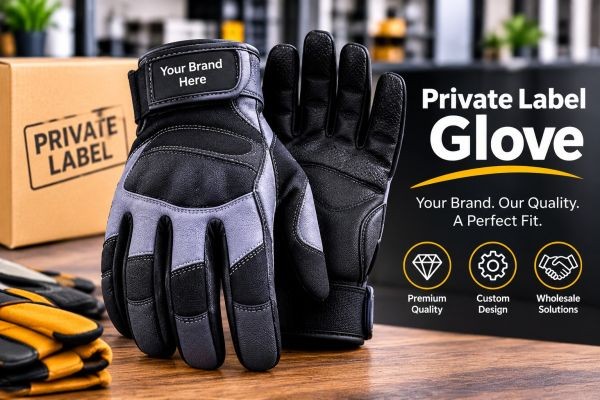
Businesses exploring private label american football gloves should define their product specifications before approaching a manufacturer. Useful details include material preferences, palm design, wrist closure, stitching, color combinations, sizing, and packaging requirements. A written specification reduces misunderstandings and gives the production partner a clear reference.
Finding a Suitable Manufacturing Partner
The manufacturing partner can have a major influence on product quality and business reliability. New brands should look for producers with relevant experience, clear communication, and the ability to meet agreed specifications. A low quotation may appear attractive, but price should not be the only factor.
Businesses should ask about production capabilities, available materials, sample development, quality checks, minimum order quantities, and delivery schedules. It is also useful to understand how the manufacturer handles design changes and production problems.
Samples should be reviewed before a bulk order is approved. This gives the brand an opportunity to check material feel, stitching, sizing, color accuracy, and overall construction. Any required changes should be documented and confirmed before production begins.
Building a Recognizable Brand Identity
A strong brand identity helps customers understand what a business represents. The name, logo, colors, packaging, website, and product presentation should work together. Consistency makes a new brand easier to recognize across different sales channels.
The brand should also communicate a clear reason for existing. It might focus on accessible sports equipment, team customization, distinctive design, or products for developing athletes. A clear position helps guide future product decisions and marketing messages.
Packaging can support this identity without becoming unnecessarily expensive. Labels, size information, care instructions, and simple branded presentation can make products look organized and professional. The information should be accurate and easy for customers to understand.
Managing Costs and Inventory
Financial planning is essential when entering a competitive market. Product costs may include manufacturing, samples, packaging, shipping, customs charges, storage, marketing, and retailer margins. A new business should calculate the full cost of bringing each product to the customer rather than focusing only on the factory price.
Inventory planning also requires attention. Ordering too much stock can tie up money and create storage problems. Ordering too little may lead to missed sales when a product becomes popular. Starting with a controlled quantity can help a business test demand before expanding.
A product range with many sizes and colors can make inventory more complicated. Brands should select variations based on customer research and review sales data regularly. Over time, this information can guide decisions about which products deserve larger orders.
Creating Trust With Customers
New brands need to earn customer confidence. Accurate descriptions, clear sizing charts, useful photographs, and transparent delivery information all help customers make informed decisions. Businesses should avoid exaggerated performance claims that cannot be supported.
Customer service is equally important. Questions about fit, materials, customization, and orders should receive clear responses. Feedback can also reveal opportunities to improve future products.
A new brand can build awareness through local teams, sports events, training academies, online communities, and relevant retail partnerships. Demonstrations and sample reviews may help customers understand the product more clearly than advertising alone.
Growing at a Sustainable Pace
Entering the football accessories market is a process of learning and improvement. A focused product range, suitable manufacturing partner, controlled inventory, and consistent brand identity can create a practical foundation. Once the first collection has been tested, the business can use customer feedback and sales information to plan new products.
Long-term growth depends on delivering what customers expect. Brands that balance product quality, responsible planning, and clear communication have a stronger opportunity to develop lasting relationships in the football accessories market.


