
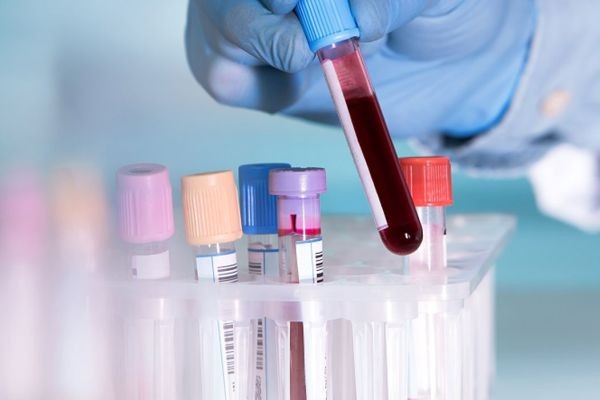
Patients often wonder about the timeframe for receiving Ureaplasma test results, especially when experiencing symptoms like burning during urination, abnormal discharge, or fertility concerns. A Ureaplasma Test in Dubai [https://stdtestdubaiuae.ae/services/ureaplasma-test-dubai/] is designed to detect bacterial DNA in the urogenital tract, most commonly using polymerase chain reaction (PCR) technology. This type of testing is highly sensitive and specific, which makes it the preferred method over traditional bacterial culture.
Knowing the testing process and factors affecting turnaround time helps manage expectations and plan follow-up care effectively.
Types of Tests and Their Timelines:
The two primary methods for Ureaplasma detection are PCR testing and bacterial culture. PCR testing analyzes urine or genital swab samples to detect bacterial DNA and typically provides results faster due to minimal processing requirements. Most laboratories deliver PCR results within 2 to 5 business days.
Bacterial culture involves growing the organism in specialized media, which is more time-consuming because Ureaplasma requires specific growth conditions. Culture results may take 7–10 days, particularly if antibiotic susceptibility testing is included. Culture is less commonly used for routine diagnosis but is sometimes requested for fertility evaluations or persistent infections.
Factors That Influence Result Timing:
Several factors can affect how quickly results are available. Laboratory workload and sample volume play a role, with high-demand periods potentially extending turnaround times. Sample type also matters: first-catch urine in men or vaginal/cervical swabs in women are processed more efficiently than other specimen types.
Proper sample collection is critical. Inadequate or contaminated samples may require recollection, delaying results. Recent antibiotic use can suppress bacterial levels and potentially affect detection, which may also prolong testing if retesting is necessary.
Preliminary vs. Confirmatory Results:
Some laboratories provide preliminary results within a day or two, indicating whether Ureaplasma DNA is present. These early findings can guide initial clinical decisions, but treatment is generally based on confirmed results. Confirmatory results, particularly those involving culture or antibiotic susceptibility testing, require additional time.
Interpreting the Results:
A positive result indicates that Ureaplasma DNA was detected in the sample, suggesting an active or asymptomatic infection depending on symptoms. Clinical context determines whether treatment is necessary, which often involves antibiotics such as macrolides or tetracyclines.
A negative result means bacterial DNA was not detected. If symptoms persist, further evaluation may be needed to investigate other causes like Mycoplasma infection, bacterial vaginosis, or noninfectious conditions.
Importance of Timely Follow-Up:
Receiving results promptly allows for timely intervention. Individuals with symptoms, fertility concerns, or pregnancy-related risks benefit from quick access to diagnostic information, enabling doctors to prescribe targeted treatment or recommend additional testing if needed. For couples experiencing infertility, coordinated evaluation and treatment of both partners can prevent reinfection and improve reproductive outcomes.
Tips While Waiting for Results:
While waiting, patients should avoid antibiotics or self-medicating unless instructed by a healthcare provider. Maintaining genital hygiene and monitoring any changes in urinary or reproductive symptoms is important. Keeping a record of symptom onset or severity can help healthcare providers interpret results accurately.
Dealing With Delays:
Occasionally, test results may be delayed due to laboratory backlog, equipment maintenance, or sample transport issues. If the waiting period exceeds the expected timeframe, contacting the healthcare provider for an update is recommended. In some cases, a repeat test may be necessary to ensure accurate diagnosis.
Typical Turnaround Summary:
PCR-based Ureaplasma Test [https://stdtestdubaiuae.ae/services/ureaplasma-test-dubai/] generally delivers results within 2–5 business days, while culture and sensitivity testing may extend the wait to 7–10 days. Knowing these timelines helps patients manage expectations and plan follow-up appointments or treatment accordingly.
Final Thoughts:
Understanding how long it takes to get Ureaplasma test results reduces uncertainty and helps patients stay proactive about their sexual and reproductive health. Accurate testing, combined with timely follow-up and clinical evaluation, ensures effective treatment, prevents complications, and supports overall urinary and reproductive well-being.






