
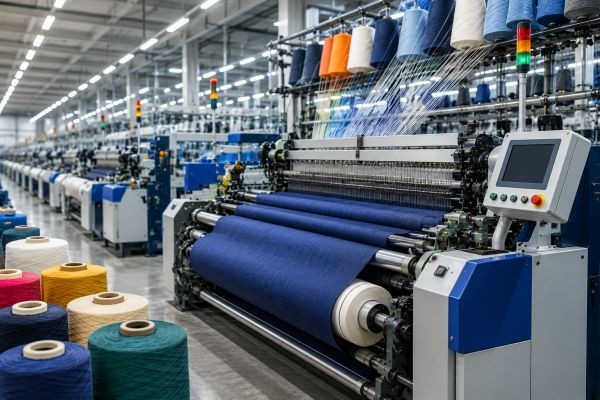
Modern textile production depends on consistent quality, reliable output, controlled costs, and efficient use of labor and materials. Manufacturers must manage several stages, from preparing fibers and yarns to weaving, knitting, dyeing, finishing, inspection, and packaging. Equipment used at each stage can directly influence production speed and product quality.
Older machines may continue to operate, but they can create challenges when production requirements increase. Frequent stoppages, manual adjustments, inconsistent output, excessive energy consumption, and difficult maintenance can reduce efficiency. Modern equipment can address many of these issues by improving process control and reducing unnecessary variation.
For manufacturers evaluating textile machinery [https://mekantratech.com/textile-machinery-suppliers/], the goal should not simply be to purchase newer equipment. A suitable system can increase throughput, reduce waste, improve consistency, support safer working conditions, and provide useful production data for better decisions.
Improve Production Speed
One of the most visible benefits of modern manufacturing equipment is improved production speed. Automated feeding systems, faster processing mechanisms, programmable controls, and optimized material movement can reduce the time required for individual operations.
- Increase production capacity where demand justifies it.
- Reduce unnecessary manual handling.
- Improve material movement between stages.
- Reduce setup and changeover time.
- Maintain consistent operating speeds.
Reduce Bottlenecks
If one process operates more slowly than others, work can accumulate and create idle time elsewhere.
Manufacturers should identify bottlenecks before investing in new equipment. Upgrading the constrained process may produce a larger improvement than replacing machines that are already performing adequately.
- Measure cycle times across production stages.
- Identify recurring queues and delays.
- Compare machine capacity with actual demand.
- Upgrade bottleneck operations first.
Improve Product Consistency
Textile products require consistent dimensions, strength, color, texture, and finish. Manual processes can introduce variation when operators perform repetitive adjustments or when machine settings change during production.
Modern controls can maintain more consistent operating parameters and reduce unnecessary variation. Sensors and automated feedback can also help identify changes before they create large quantities of defective material.
- Maintain controlled machine settings.
- Monitor process conditions.
- Reduce manual adjustment.
- Detect deviations earlier.
- Improve batch-to-batch consistency.
Reduce Defects and Rework
Defective fabric or finished products can increase material costs and production time. When defects are discovered late, manufacturers may need to repeat several previous steps.
Better process monitoring can help identify problems closer to their source. Early detection allows operators to correct settings before the issue affects a larger production quantity.
Reduce Material Waste
Material waste can have a significant effect on manufacturing costs. Waste may result from incorrect settings, damaged material, inefficient cutting, poor handling, excessive trial production, or process errors.
Modern equipment can support more accurate processing and better control of material usage. Automated feeding and measurement systems can also reduce unnecessary consumption.
- Monitor material usage.
- Reduce setup waste.
- Improve feeding accuracy.
- Detect process problems early.
- Track scrap by production stage.
Improve Energy Efficiency
Energy is an important operating cost in textile manufacturing. Machines used for processing, heating, drying, spinning, weaving, finishing, and other operations can consume significant amounts of electricity or other energy sources.
Newer equipment may offer improved motors, controls, heating systems, and operating modes that reduce unnecessary energy consumption. Manufacturers should compare actual energy requirements rather than assuming that newer always means more efficient.
- Measure energy consumption by machine.
- Identify high-consumption operations.
- Use efficient operating modes.
- Reduce idle running time.
- Include energy costs in equipment comparisons.
Monitor Energy Performance
Energy monitoring can help manufacturers identify unusual consumption. A machine that begins using more energy than expected may require maintenance or adjustment.
Regular measurement makes energy management more practical because decisions can be based on actual production data.
Automate Repetitive Tasks
Repetitive manual work can consume labor hours and increase the possibility of human error. Automation can assist with feeding, material handling, inspection, packaging, and other repetitive operations.
Automation does not necessarily mean replacing every manual activity. Targeted automation can focus on tasks that are repetitive, physically demanding, or difficult to perform consistently.
- Automate repetitive handling.
- Reduce unnecessary lifting.
- Improve feeding consistency.
- Support operator safety.
- Use workers for higher-value tasks.
Balance Automation With Human Skills
Operators remain important even in automated facilities. They may monitor equipment, perform quality checks, manage changeovers, troubleshoot problems, and make production decisions.
The best approach is often to combine reliable automation with trained operators who understand the process.
Improve Maintenance Planning
Unexpected breakdowns can stop production, delay orders, and increase repair costs. Modern equipment can make maintenance more predictable through service schedules, monitoring systems, diagnostic functions, and accessible machine data.
- Follow recommended service intervals.
- Monitor machine condition.
- Replace wear components on schedule.
- Keep critical spare parts available.
- Record maintenance activities.
Use Condition Monitoring
Sensors and monitoring systems can provide information about temperature, vibration, pressure, speed, or other operating conditions. Changes in these values may indicate developing equipment problems.
Early attention can reduce the chance of major failures and unexpected downtime.
Improve Production Data
Modern equipment can provide useful information about production performance. Depending on the system, manufacturers may collect data about output, downtime, cycle times, errors, energy use, and machine status.
This information can help managers understand where production is losing time or resources.
- Track machine utilization.
- Measure downtime.
- Compare planned and actual output.
- Record production errors.
- Analyze recurring delays.
Support Better Decisions
Managers can compare shifts, products, machines, and production periods to identify patterns.
Instead of relying only on assumptions, manufacturers can use measurable information to prioritize maintenance, training, equipment upgrades, or process changes.
Improve Workplace Safety
Modern equipment can include improved guarding, emergency controls, automated handling, sensors, and safer operating interfaces. These features can reduce exposure to moving components and repetitive physical tasks.
Safety should be considered during equipment selection, installation, operation, and maintenance.
- Review machine guarding.
- Check emergency-stop systems.
- Provide operator training.
- Maintain clear access areas.
- Follow applicable safety procedures.
Improve Production Flexibility
Customer requirements can change quickly. Manufacturers may need to produce different materials, patterns, widths, finishes, or order quantities.
Equipment with programmable settings, faster changeovers, and flexible tooling can help manufacturers respond without excessive downtime.
- Reduce changeover time.
- Store repeatable machine settings.
- Support different production specifications.
- Plan flexible tooling options.
- Match equipment flexibility to customer demand.
Common Mistakes When Upgrading Equipment
Buying modern equipment does not automatically improve efficiency. Manufacturers can create new problems if equipment is selected without understanding the complete production system.
Common mistakes include:
- Choosing machines only because they are newer.
- Focusing only on purchase price.
- Ignoring operator training.
- Failing to measure current performance.
- Buying excessive capacity.
- Overlooking maintenance requirements.
- Ignoring integration with existing equipment.
- Installing equipment without adequate floor space.
Conclusion
Modern equipment can improve textile manufacturing efficiency when it is selected around clear production requirements. Faster processing, better control, reduced waste, targeted automation, energy management, maintenance monitoring, production data, and improved safety can all contribute to stronger operational performance.
Manufacturers should begin by measuring their current processes and identifying the problems that limit output or increase costs. From there, they can determine which equipment upgrades will provide the greatest practical benefit.
Frequently Asked Questions
How does modern equipment improve textile manufacturing?
It can improve speed, consistency, material control, energy efficiency, automation, maintenance planning, safety, and production monitoring. The actual benefit depends on how well the equipment matches the manufacturing process.
Should every old machine be replaced?
No. Replacement should be based on performance, maintenance costs, downtime, quality problems, energy consumption, and future production requirements. Some older machines may remain cost-effective when properly maintained.
Can automation reduce textile production costs?
Automation can reduce certain labor and material costs, improve consistency, and reduce repetitive work. However, the financial benefit depends on investment cost, utilization, maintenance, and the task being automated.
Why is maintenance important for production efficiency?
Well-maintained equipment is less likely to experience unexpected failures. Preventive maintenance can support consistent performance and reduce unplanned downtime.
How can manufacturers measure equipment efficiency?
Useful measures include output, cycle time, downtime, defect rates, material waste, energy consumption, machine utilization, and maintenance costs. Comparing these measures before and after an upgrade can show whether the investment produced meaningful improvement.






