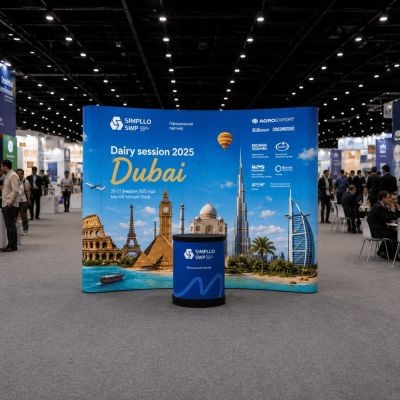
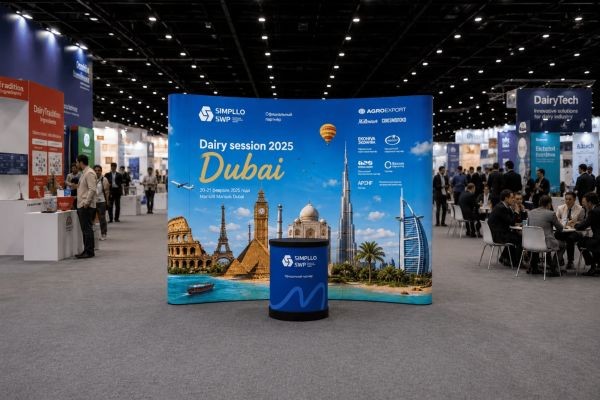
Exhibitions, trade shows, business events, and promotional activities provide opportunities for companies to present their products and share information with visitors. A well-organized display area makes it easier for people to understand what a business offers and explore the products being presented. Among the different exhibition equipment options, a popup display stand is commonly used because it provides a practical way to create a visible presentation area without requiring a complicated structure.
These displays are available in different sizes, shapes, materials, and designs. Some are suitable for small indoor events, while others provide larger graphic backgrounds for exhibition spaces. Understanding their features, uses, and limitations can help businesses select a suitable display according to their event requirements. Factors such as portability, printing quality, available space, and installation time should all be considered before making a decision.
1. Understanding a Popup Display Stand
A popup display stand is a portable exhibition structure designed to hold printed graphics and create a presentation area. It usually consists of a collapsible frame that expands during installation and folds down for transportation and storage. Depending on the model, the graphic panels may attach to the frame using magnetic strips, fabric sleeves, or other fixing systems.
These displays are commonly found at trade shows, conferences, product launches, shopping exhibitions, and corporate events. Their main purpose is to provide a noticeable background where businesses can display information, photographs, product details, and other visual content.
For example, a company participating in a furniture exhibition might use a popup display behind its product demonstration area. The graphic could show photographs of furniture collections, material options, and basic product information. Visitors can view these details while examining the actual products.
Main Components
Most popup display systems contain several important parts:
-
Collapsible frame: The supporting structure that expands to create the display shape.
-
Graphic panels: Printed surfaces containing images, text, and other information.
-
Magnetic attachments: Used in certain systems to connect graphic panels to the frame.
-
Support feet: Help maintain stability on the exhibition floor.
-
Carrying case: Protects the structure and accessories during transportation.
The exact components depend on the display design and manufacturer.
2. Different Types of Popup Display Systems
Popup displays are available in several styles. Each type offers different features and can be selected according to the available exhibition space and presentation requirements.
Straight Popup Displays
Straight displays have a flat front surface and a simple structure. They are commonly used behind exhibition counters, reception desks, and product presentation areas.
Their straight shape makes it easier to arrange text, photographs, logos, and product images in an organised layout. Businesses that need a traditional exhibition backdrop often consider this design.
Curved Popup Displays
Curved displays have a rounded front structure that creates a wider visual presentation area. The shape can help define the exhibition space and provide a continuous background for printed graphics.
For example, a company displaying electronic products may use a curved backdrop behind a demonstration counter. The rounded design provides space for product photographs and supporting information without requiring several separate display panels.
Fabric Popup Displays
Fabric popup displays use textile graphics stretched over a collapsible frame. The fabric creates a smooth printed surface and is commonly used for exhibition backdrops and promotional presentation areas.
Some fabric systems are designed to be lightweight and easy to transport. Their graphics may also be removable, depending on the construction.
Modular Popup Displays
Modular displays consist of sections that can be connected or arranged in different configurations. They are useful when exhibition requirements change between events.
A business might use a smaller configuration for a local conference and add more sections for a larger trade show. However, the available arrangements depend on the frame system.
3. Common Uses at Exhibitions and Business Events
Popup displays are used in many different environments because they can provide a defined presentation area without requiring permanent installation.
Trade Shows
Trade shows bring together companies from particular industries to present products, services, and new developments. A display backdrop can help organise the exhibition area and provide visitors with useful information.
For instance, a technology company may use a popup backdrop containing product images, technical specifications, and information about its latest equipment.
Conferences and Seminars
During conferences, businesses and organisations often need a background for presentations, registration areas, or information desks. Popup systems can provide a suitable surface for displaying event details and supporting graphics.
Product Launches
Product launches often involve presenting a new item to visitors, customers, or industry professionals. A printed backdrop can show product photographs, important features, and technical details.
Shopping Centre Events
Temporary promotional activities in shopping centres may require displays that can be assembled and removed within a short period. Portable exhibition systems are useful for these situations because they can be transported between different locations.
Corporate Events
At corporate gatherings, popup displays can be placed near entrances, meeting areas, or presentation stages. They may include event schedules, company information, photographs, and other relevant details.
4. Important Factors When Choosing a Popup Display
Selecting an exhibition display requires more than looking at its appearance. The structure should suit the event, available space, transportation arrangements, and expected frequency of use.
Size and Available Space
The dimensions of a display should be checked before ordering or assembling it. A large backdrop may be suitable for a spacious exhibition booth, while a smaller display can work better in a limited area.
Businesses should also consider the position of counters, furniture, electrical equipment, and visitor walking routes. Leaving enough room for movement helps prevent the exhibition area from becoming crowded.
Frame Construction
The frame provides support for the printed graphics. Aluminium is commonly used because it offers a combination of strength and relatively low weight.
Before selecting a frame, it is useful to check its connection points, overall stability, folding mechanism, and compatibility with replacement graphics.
Printing Quality
Clear printing is important because exhibition visitors often view displays from different distances. Low-resolution photographs or poorly prepared artwork may appear blurry when enlarged.
High-resolution images, suitable colour contrast, and correct file dimensions help produce better printed results.
Transportation Requirements
A portable system should be easy to pack, carry, and store. The weight of the complete display, including its frame and accessories, should be considered.
A suitable carrying case can protect the components from scratches, dust, and damage during transportation.
5. Designing Effective Graphics for Popup Displays
The graphic design determines how information is presented to exhibition visitors. A good design should communicate the main message clearly rather than filling every available space with text and images.
Keep the Main Message Clear
The most important information should be easy to identify. A short heading can explain the subject of the display, while supporting text provides additional details.
For example, a company displaying industrial equipment could use a heading related to its machinery range, followed by photographs and a few important specifications.
Use High-Quality Images
Images should be relevant to the products or services being presented. Photographs should have enough resolution to remain clear when printed at a large size.
Using several unrelated pictures can make the display look confusing. Selecting a few suitable images usually creates a more organised presentation.
Choose Readable Fonts
Text should be readable from a reasonable distance. Very small lettering may be difficult to understand in a busy exhibition hall.
Simple fonts with suitable spacing are generally easier to read than decorative styles. Important headings should also be visually distinct from supporting information.
Maintain Colour Balance
Colours should work together and provide sufficient contrast between the background and text. Too many bright colours may make the graphic difficult to follow.
A consistent colour scheme helps different parts of the display look connected, particularly when several panels are used.
6. Materials and Construction Quality
The materials used in an exhibition display influence its appearance, durability, weight, and maintenance requirements. Different systems use different combinations of frames, printed surfaces, and connecting accessories.
Aluminium Frames
Aluminium frames are frequently used in portable exhibition systems. They are relatively lightweight and can provide suitable support for repeated assembly and dismantling.
The quality of the joints and connectors is also important because these components experience movement during transportation and installation.
Fabric Graphics
Fabric is commonly used for tension-based popup systems. It can provide a smooth surface for printed designs and is generally easy to fold or pack when the manufacturer's instructions are followed.
Some fabric graphics are designed to be removed for cleaning or replacement.
PVC and Vinyl Graphics
PVC and vinyl materials are used in different types of printed exhibition displays. They can provide a smooth surface for photographs, text, and colourful graphics.
Their suitability depends on the display structure, printing method, and intended environment.
Checking Overall Quality
Before using a display at an important event, check that all frame sections connect properly and the graphic fits without excessive wrinkles. The base and support components should also be inspected to ensure that the structure remains stable during use.
7. Benefits and Limitations of Popup Displays
Popup displays offer several practical advantages, although their suitability depends on the type of event and the expectations of the exhibitor.
Main Benefits
Portability: Most systems are designed to fold into manageable sections, making them easier to transport between venues.
Quick installation: Many popup structures can be assembled without specialist equipment. This can reduce preparation time before an exhibition begins.
Reusable construction: Frames can often be used for several events. If the printed information changes, some systems allow replacement graphics to be fitted without purchasing a completely new structure.
Space efficiency: A vertical backdrop can provide a large graphic area without taking up as much floor space as some traditional exhibition structures.
Different design options: Straight, curved, fabric, and modular systems allow businesses to select a format that suits their presentation needs.
Possible Limitations
Despite their advantages, popup displays also have some limitations. Larger systems may require more than one person for safe installation. Certain frames can become damaged if they are forced into position or stored incorrectly.
Printed graphics may also need replacement when information becomes outdated. In addition, some lightweight systems may not be suitable for outdoor use or areas with strong air movement.
Understanding these limitations helps businesses select a display that matches the conditions of their event.
8. Installation, Maintenance, and Storage
Proper installation and maintenance help keep an exhibition display in good condition. Although many systems are designed for simple assembly, following the manufacturer's instructions is important.
Installation Process
Before installation, check that the exhibition floor is level and enough space is available. Remove the frame from its carrying case and expand it according to the supplied instructions.
Next, connect the support feet and attach the graphic panels using the recommended fixing method. Once everything is in place, inspect the display from different angles to check that the graphics are properly aligned.
For larger systems, asking another person to assist with installation can make the process easier and safer.
Cleaning and Maintenance
Printed graphics should be cleaned according to their material requirements. Soft cleaning materials are generally preferable for delicate surfaces, while harsh chemicals should be avoided unless approved by the manufacturer.
Frame connectors, support feet, and other fittings should be checked regularly. Loose or damaged components should be repaired or replaced before the next event.
Proper Storage
After dismantling, all components should be placed in their appropriate storage compartments. Fabric graphics should be folded or rolled according to the care instructions to reduce creasing.
Keeping the display in a dry and clean location helps protect the printed material and frame from unnecessary damage.
9. How Popup Displays Fit into Modern Exhibition Planning
Modern exhibitions often combine different display products to create organized and practical presentation spaces. Popup backdrops can be used alongside counters, banner stands, product shelves, and digital screens.
For example, a business attending an international trade show may use a curved fabric backdrop at the rear of its booth, a reception counter near the entrance, and a separate banner beside its product demonstration area.
The arrangement should allow visitors to enter comfortably, view the displayed information, and interact with staff without blocking other people.
When planning an exhibition layout, businesses can review different display options and installation requirements from industry resources and suppliers, including Pop Up Stands Dubai, to understand how various systems are used in exhibition environments.
Conclusion
Popup displays provide a practical way to organize exhibition spaces and present information at trade shows, conferences, product launches, and corporate events. Their portable frames, reusable construction, and different graphic options make them suitable for a wide range of display requirements. Choosing the right structure involves considering size, materials, printing quality, transportation, and installation. With clear graphics and proper maintenance, a popup display can remain a useful part of exhibition planning for many events.


