
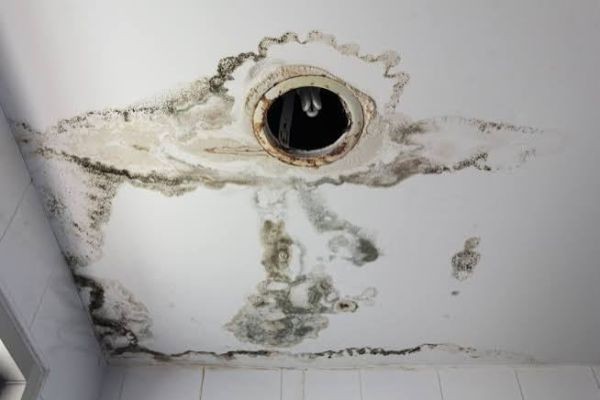
Discovering dark spots, discoloration, or fuzzy patches on a ceiling can be concerning for any homeowner. These signs may indicate a moisture problem that has allowed mold to develop, particularly in areas with poor ventilation or recurring water intrusion. In Florida, where warm temperatures and high humidity are common, indoor moisture management deserves special attention.
Homeowners often wonder, is mold on ceiling dangerous, and whether it requires immediate professional attention. The answer depends on several factors, including the extent of the growth, the source of moisture, the materials affected, and the people living in the home. Understanding the warning signs and responding appropriately can help protect the property and support a healthier indoor environment.
Why Mold Develops on Ceilings
Mold can grow when moisture, suitable temperatures, and organic materials are present. Ceiling materials such as drywall, ceiling tiles, paint coatings, and insulation may become affected when water enters the building or humidity remains elevated.
Several common conditions can contribute to ceiling mold:
- Roof leaks: Damaged shingles, flashing, or roof penetrations may allow rainwater to enter the attic or ceiling assembly.
- Plumbing leaks: Bathrooms, kitchens, and upstairs plumbing can create hidden moisture problems when pipes or connections leak.
- Poor ventilation: Bathrooms and laundry areas may retain excess moisture when exhaust systems are inadequate.
- Air-conditioning condensation: Blocked condensate drains, damaged insulation, or equipment problems can introduce unwanted moisture.
- High indoor humidity: Persistent humidity can encourage condensation on cooler ceiling surfaces.
- Storm-related water intrusion: Heavy rainfall and wind-driven rain can expose weaknesses in roofing and exterior components.
The visible growth is often only part of the problem. Moisture may also affect insulation, framing, or other concealed materials above the ceiling.
Is Mold on Ceiling Dangerous to Your Household?
The potential health effects depend on individual sensitivity, exposure conditions, and the amount and type of mold present. Mold exposure can cause allergic reactions in some people, including sneezing, nasal congestion, coughing, itchy eyes, and skin irritation. People with asthma may experience worsening symptoms when exposed to indoor mold.
Some individuals are more vulnerable to indoor environmental irritants, including people with existing respiratory conditions or weakened immune systems. They may need to take additional precautions and seek advice from an appropriate healthcare professional if exposure is a concern.
Not every ceiling stain indicates active mold, and appearance alone cannot identify the species or determine the level of health risk. However, visible suspected growth and persistent dampness should not be ignored.
If you notice mold on ceiling surfaces, avoid disturbing the affected area unnecessarily. Scraping, sanding, or aggressively brushing suspected growth can release particles into the air. Large affected areas, recurring growth, and suspected contamination involving porous materials should be assessed by qualified professionals.
Warning Signs That Should Not Be Ignored
Ceiling mold does not always appear as a large, obvious patch. Sometimes, the earliest clues are subtle and may indicate a moisture problem that has been developing for some time.
Look for these warning signs:
Dark or irregular discoloration: Black, green, gray, or brown patches may appear around ceiling corners, vents, light fixtures, or areas beneath bathrooms.
Persistent musty odors: An earthy smell that remains even after cleaning may indicate damp materials or concealed moisture.
Peeling or bubbling paint: Water exposure can weaken the bond between paint and the ceiling surface, creating blisters, cracks, or peeling sections.
Water stains: Yellow or brown rings may indicate previous or ongoing water intrusion. Even if the ceiling appears dry, the original moisture source should be investigated.
Soft or sagging drywall: Swelling, weakened materials, or a visibly sagging ceiling may indicate significant water damage. Keep away from a sagging area and arrange prompt professional assessment because damaged materials can become unstable.
Recognizing these signs early can help homeowners investigate the cause before additional building materials are affected.
Why Florida Homes Need Extra Moisture Protection
Florida's climate makes moisture control an ongoing responsibility. High outdoor humidity, frequent thunderstorms, warm temperatures, and extensive air-conditioning use can create conditions that contribute to indoor moisture problems.
Roofing systems experience repeated exposure to sunlight, rain, and seasonal storms. Small defects around flashing, vents, or roof penetrations can allow water to enter. Inside the home, poorly maintained air-conditioning systems may develop condensate drainage problems, while inadequate bathroom ventilation can allow moisture to accumulate.
Homeowners should pay attention to both visible and hidden areas. Attics, ceilings beneath bathrooms, areas around air-conditioning equipment, and rooms with limited ventilation may deserve closer monitoring.
What Should You Do If You Discover Ceiling Mold?
The first priority is to identify and correct the moisture source. Simply painting over a stained area or applying a cleaning product may hide the visible evidence without addressing the conditions that allowed growth to occur.
Consider these practical steps:
- Investigate the source: Look for possible roof leaks, plumbing problems, condensation, or ventilation issues.
- Address active leaks: Contact a qualified roofer, plumber, or HVAC professional, depending on the suspected cause.
- Avoid disturbing the affected area: Do not scrape, sand, or remove potentially contaminated materials without appropriate precautions.
- Assess material damage: Porous materials such as drywall and insulation may require specialized cleaning or removal.
- Arrange professional assistance: Significant, recurring, or concealed moisture problems may require a qualified mold assessment or remediation professional.
If anyone in the household experiences concerning symptoms, they should seek appropriate medical advice rather than relying on a home inspection or mold test to diagnose a health condition.
How to Prevent Future Mold Growth
Preventive maintenance can help reduce the conditions that encourage mold development. Florida homeowners can take several practical steps:
- Run bathroom exhaust fans during showers and afterward.
- Maintain air-conditioning equipment and keep condensate drains clear.
- Address roof and plumbing leaks promptly.
- Monitor indoor humidity and use appropriate ventilation or dehumidification.
- Inspect ceilings for new stains, bubbling paint, or recurring discoloration.
- Ensure that laundry and kitchen areas have suitable ventilation.
- Check for water intrusion after severe storms.
These measures cannot eliminate every possibility of mold, but they can help homeowners identify moisture concerns earlier.
When Should You Schedule a Professional Inspection?
If you are unsure whether mold on ceiling surfaces is connected to a larger property issue, a professional home inspection may help identify visible signs of moisture intrusion, roof deterioration, plumbing leaks, or ventilation concerns.
A standard home inspection is generally a visual evaluation and does not automatically include mold sampling, laboratory analysis, concealed-wall investigations, or a complete indoor air quality assessment. Depending on the findings, specialized moisture evaluation, infrared thermal imaging, or mold testing may be appropriate.
Understanding is mold on ceiling dangerous requires looking beyond the visible patch and considering the underlying moisture conditions. A qualified professional can help document observable concerns and recommend further evaluation when necessary.
Protect Your Property by Acting Early
Ceiling mold should not be dismissed as a simple cosmetic issue. It may indicate ongoing water intrusion, condensation, or ventilation problems that can affect building materials and indoor conditions. Early investigation, appropriate repairs, and consistent maintenance can help prevent recurring problems.
For homeowners in Central Florida, Full Circle Home Inspectors offers home inspection services to help identify visible property concerns and provide useful information about a home's condition.


