
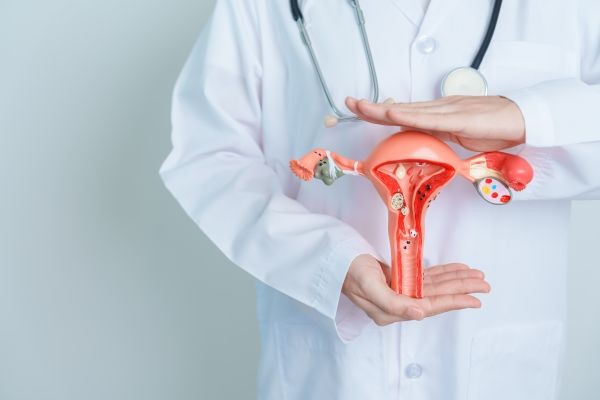
For most patients, the idea of daily injections is one of the more intimidating parts of starting IVF. It's a common source of anxiety, especially if you've never given yourself an injection before.
The good news is that once you understand what each injection does and when it's given, the process becomes far less overwhelming.
Here's a complete breakdown of what to expect.
Why Injections Are Necessary in IVF
In a natural cycle, your body releases just one egg per month. IVF aims to retrieve multiple eggs to improve the chances of getting good quality embryos.
To do this, your ovaries need external hormone support beyond what your body naturally produces. This is where injections come in, each serving a specific purpose at a specific stage.
Stage One: Suppression Injections
Some protocols begin with suppression injections, designed to temporarily quiet your body's natural hormone signals before stimulation starts.
This helps your doctor control the timing of your cycle more precisely, rather than working around your body's unpredictable natural rhythm.
Common points about this stage:
- Usually starts a week or so before your period, depending on protocol
- Given once daily, often in the evening
- May cause mild symptoms like headaches or hot flashes temporarily
Not every protocol includes this step. Your ivf specialist in jaipur [https://rituivf.com/] will decide based on your specific hormone profile and treatment plan.
Stage Two: Stimulation Injections
This is the core phase most people associate with IVF. These injections directly stimulate your ovaries to develop multiple follicles at once.
Key points to know:
- Typically given daily for 10 to 14 days
- Dosage is personalized based on your age, AMH levels, and antral follicle count
- Regular monitoring through blood tests and ultrasounds tracks your response
Your dose isn't fixed for the entire cycle. It's common for your doctor to adjust it partway through based on how your follicles are actually growing.
Stage Three: Preventing Premature Ovulation
Alongside stimulation, another type of injection is often added to prevent your body from releasing eggs too early, before the retrieval procedure.
This matters because:
- Premature ovulation can mean losing eggs before they can be retrieved
- These injections are usually started partway through the stimulation phase
- Timing is closely monitored through blood tests
Your ivf doctor in Jaipur will explain exactly when this injection needs to start based on your follicle development.
Stage Four: The Trigger Injection
This is often considered the most important injection of the entire cycle. It's a single injection that finalizes egg maturation, timed precisely before retrieval.
A few essential points:
- Given exactly 34 to 36 hours before your scheduled egg retrieval
- Timing must be followed exactly, since retrieval is planned around it
- Missing or delaying this injection can affect the entire cycle
Because timing is so critical here, many clinics recommend setting multiple alarms or having a partner double check the schedule.
How Injections Are Actually Given
Most IVF injections are subcutaneous, meaning they go just under the skin, usually in the abdomen. Some may be intramuscular, requiring a slightly different technique.
Here's what typically helps:
- Your clinic nurse will demonstrate the technique before you go home
- Rotating injection sites can help reduce soreness
- Bringing the medication to room temperature before injecting can reduce discomfort
Many patients find the anticipation is worse than the actual injection once they get used to the routine.
Managing Side Effects
Some mild side effects are common and expected during this process.
You might notice:
- Bloating or mild abdominal discomfort
- Fatigue or mood changes
- Slight bruising or tenderness at injection sites
These are generally manageable and temporary. However, certain symptoms need immediate attention, including severe abdominal pain, rapid weight gain, or difficulty breathing, since these could indicate Ovarian Hyperstimulation Syndrome.
Can You Give Yourself the Injections?
Yes, most patients learn to self administer these injections at home after a demonstration at the clinic. Many partners also learn to help with this process.
A few tips that make this easier:
- Practice with the actual pen or syringe device during your training session
- Keep a written schedule with exact times and doses
- Store medications properly, as many require refrigeration
If self injection feels too stressful, some clinics offer the option of coming in for nurse administered injections instead.
Storing and Handling Medication Properly
IVF medications can be sensitive to temperature and light, so proper storage matters.
General guidelines include:
- Check whether your specific medication needs refrigeration
- Keep medications away from direct sunlight
- Avoid freezing unless specifically instructed
Your ivf doctor in Jaipur [https://share.google/mym5B8uWifJ19DNa6] or pharmacy will provide specific storage instructions for your prescribed medications.
What Happens If You Miss a Dose
Missing a dose can happen, especially with a demanding daily schedule.
If this occurs:
- Contact your clinic immediately, don't wait until your next scheduled call
- Don't double up on the next dose without guidance
- Follow your doctor's specific instructions for that situation
Clinics are used to handling this situation and can usually adjust your plan without major disruption if you reach out promptly.
Emotional Impact of the Injection Phase
Beyond the physical process, giving yourself daily injections for two weeks can feel emotionally taxing. It's a constant reminder of the treatment you're going through, which can add stress on top of everything else.
It helps to:
- Involve your partner in the process, even just for support
- Give yourself credit for managing something genuinely difficult
- Reach out to your clinic if anxiety about injections feels overwhelming
Bringing It All Together
Understanding the purpose behind each injection type, and exactly when it fits into your cycle, can turn an intimidating process into something much more manageable.
Most patients find that by the second or third day, the routine starts to feel familiar rather than frightening. With clear guidance from your medical team and a bit of preparation, this phase of treatment becomes just one more step toward your goal.
Medical Disclaimer: This article is for informational purposes only and does not constitute medical advice. Please consult a qualified fertility specialist regarding your specific medication schedule and any concerns during treatment.






