
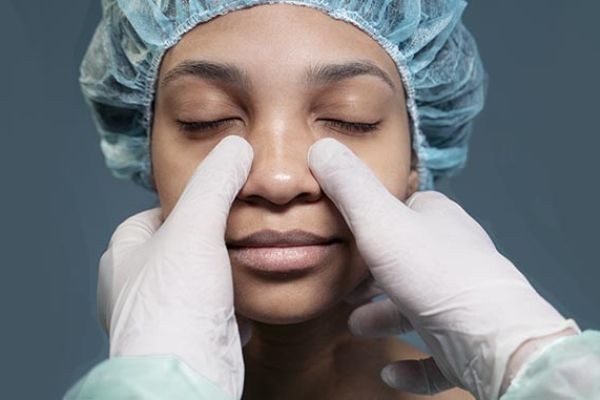
Breathing comfortably through your nose is something many people take for granted until a deviated septum begins to interfere with daily life. This common condition can lead to ongoing nasal blockage, snoring, frequent sinus infections, and difficulty sleeping. Fortunately, Septoplasty In Islamabad has become a trusted option for individuals seeking better nasal function and long-term relief from these symptoms. The procedure focuses on correcting the position of the nasal septum, helping restore proper airflow and improve overall quality of life.
Understanding a Deviated Septum
The nasal septum is a thin wall made of cartilage and bone that separates the two nasal passages. Ideally, it should sit in the center of the nose, allowing equal airflow through both sides. However, many people have a septum that is displaced or crooked due to birth, natural growth, or injury.
While some cases are mild and cause no noticeable issues, others can significantly affect breathing and nasal health. A severely deviated septum may make one side of the nose feel constantly blocked, especially during sleep or physical activity.
What Is Septoplasty?
Septoplasty is a surgical procedure designed to straighten and reposition the deviated nasal septum. Unlike cosmetic nose procedures, its primary purpose is to improve nasal function rather than alter appearance.
The treatment involves adjusting or removing portions of cartilage and bone that obstruct airflow. Once healed, the nasal passages become more balanced, allowing air to move freely through the nose.
Improved Breathing Is the Biggest Advantage
One of the most significant benefits of septoplasty is the noticeable improvement in breathing. When the nasal passages are no longer obstructed, oxygen flows more efficiently.
People often find it easier to exercise, sleep peacefully, and perform everyday activities without feeling constantly congested. Improved breathing also reduces the need for frequent mouth breathing, which can contribute to dry mouth and throat irritation.
Better Sleep Quality
A blocked nose often leads to restless nights, interrupted sleep, and excessive snoring. Many individuals struggle to stay asleep because they cannot breathe comfortably through their nose.
By correcting the septum, airflow becomes smoother, making it easier to sleep naturally. Better sleep contributes to increased energy levels, improved concentration, and enhanced overall health.
Reduced Frequency of Sinus Infections
Poor nasal drainage caused by a deviated septum can create an environment where bacteria and mucus accumulate. This increases the likelihood of recurring sinus infections.
After septoplasty, the improved structure of the nasal passages allows mucus to drain more effectively. As a result, many people experience fewer sinus infections and less facial pressure.
Relief from Chronic Nasal Congestion
Constant nasal blockage can be frustrating, particularly when medications provide only temporary relief. Since a deviated septum is a structural problem, sprays and decongestants often fail to solve the underlying cause.
Septoplasty addresses the source of the obstruction, providing lasting improvement instead of short-term symptom management.
Easier Participation in Physical Activities
Breathing efficiently is essential during exercise and sports. People with severe nasal obstruction may experience difficulty keeping up during workouts or outdoor activities.
Once the airway is corrected, physical performance often improves because the body receives oxygen more effectively. Many individuals report greater endurance and comfort during exercise after recovery.
Fewer Headaches and Facial Pressure
A deviated septum may contribute to pressure inside the nasal passages, resulting in recurring headaches or discomfort around the eyes and forehead.
Improved airflow and drainage after septoplasty can reduce this pressure, helping many patients enjoy greater comfort throughout the day.
Enhanced Sense of Smell
When airflow is restricted, odor molecules may not reach the smell receptors efficiently. Some individuals notice a reduced ability to detect scents.
Following successful healing, better airflow may improve the sense of smell, allowing people to enjoy food, fragrances, and everyday experiences more fully.
Long-Lasting Results
Unlike temporary medications that require continuous use, septoplasty provides a structural correction. Once healing is complete, the benefits are generally long-lasting.
Maintaining good nasal health and following post-treatment care instructions can help preserve these improvements for many years.
Faster Recovery Than Many People Expect
Recovery varies from person to person, but most individuals gradually return to their normal routines within a relatively short period.
Temporary swelling, mild congestion, and slight discomfort are common during the healing process. These symptoms usually improve steadily as the nose heals.
Who Can Benefit from Septoplasty?
Septoplasty may be suitable for individuals who experience:
- Persistent nasal blockage
- Difficulty breathing through one or both nostrils
- Frequent sinus infections
- Chronic snoring caused by nasal obstruction
- Sleep disturbances related to poor airflow
- Recurring facial pressure or headaches
- Reduced quality of life due to nasal breathing problems
A proper medical evaluation helps determine whether the symptoms are primarily caused by a deviated septum.
Tips for a Smooth Recovery
Following aftercare instructions supports proper healing and better results.
Avoid strenuous activities during the initial recovery period, keep the nose protected from accidental injury, stay hydrated, and attend all scheduled follow-up appointments. Giving the body enough time to heal can significantly improve the overall outcome.
Why More People Are Choosing This Treatment
As awareness about nasal health continues to grow, more individuals recognize that long-term breathing problems should not simply be accepted as normal. Modern surgical techniques have made septoplasty an effective option for improving daily comfort and restoring healthy nasal function.
Whether the goal is sleeping better, exercising more comfortably, reducing sinus infections, or simply breathing without obstruction, this procedure offers meaningful improvements that can positively impact everyday life. If persistent nasal blockage is affecting your routine, Septoplasty In Islamabad may provide the lasting solution needed to enjoy easier breathing and improved overall well-being.
Frequently Asked Questions
Is septoplasty only for breathing problems?
Yes. Septoplasty is primarily performed to correct a deviated septum and improve nasal airflow. It is intended to enhance nasal function rather than change the appearance of the nose.
How long does recovery usually take?
Most people resume normal daily activities within a couple of weeks, although complete internal healing can take several months depending on individual recovery.
Will septoplasty remove snoring?
If snoring is mainly caused by a blocked nasal airway due to a deviated septum, septoplasty may significantly reduce it. Other causes of snoring may require separate evaluation.
Can a deviated septum return after surgery?
In most cases, the correction is long-lasting. However, a significant nasal injury after surgery could potentially affect the septum again.
Is the procedure suitable for adults of all ages?
Adults experiencing persistent symptoms from a deviated septum may be suitable candidates after a proper medical assessment.
How soon can I breathe better after septoplasty?
Breathing gradually improves as swelling decreases during recovery. Many people notice a significant difference within a few weeks.






