
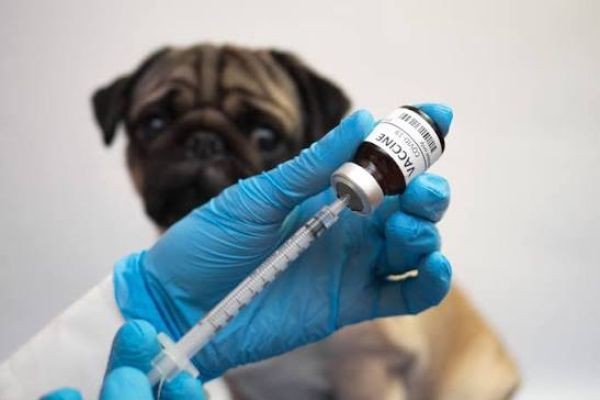
The Veterinary Vaccines Market is evolving rapidly as animal health becomes increasingly connected to food security, public health, livestock productivity, and companion animal wellness. Vaccination is one of the most effective tools for preventing infectious diseases, reducing mortality, improving herd performance, and limiting the spread of pathogens between animals and humans. As livestock production systems become more intensive and pet ownership rises globally, demand for reliable preventive healthcare solutions continues to expand.
Market dynamics are being shaped by several interconnected forces. Rising disease prevalence, increased awareness of preventive veterinary care, advancements in vaccine technology, expanding animal populations, and government-supported disease-control programs are creating strong opportunities. At the same time, regulatory complexity, high development costs, uneven access to veterinary services, and logistical challenges continue to influence the pace of market expansion.
Understanding these dynamics is essential for evaluating how the industry is likely to develop across livestock, poultry, aquaculture, and companion animal segments.
Rising Prevalence of Animal Diseases Drives Demand
The increasing occurrence of infectious diseases is one of the strongest growth drivers for the Veterinary Vaccines Market. Diseases affecting cattle, swine, poultry, sheep, goats, fish, and companion animals can cause substantial economic losses through mortality, reduced productivity, lower reproductive performance, and trade restrictions.
The movement of animals and animal products across regions has also increased the potential for disease transmission. Intensive farming systems, where large numbers of animals are housed in close proximity, can accelerate the spread of pathogens. As a result, producers are placing greater emphasis on preventive vaccination rather than relying solely on treatment after an outbreak occurs.
Vaccination programs help reduce the severity and frequency of disease outbreaks while supporting more stable production cycles. This is particularly important for commercial livestock and poultry producers, where a single outbreak can significantly affect revenues and supply chains.
Growing Focus on Food Security and Livestock Productivity
Global demand for meat, milk, eggs, and other animal-derived products continues to influence investment in animal health. Producers are under pressure to increase output while managing rising feed costs, labor expenses, disease risks, and environmental constraints.
Vaccines contribute to productivity by helping animals remain healthier and reducing disease-related losses. Healthy livestock generally demonstrate better growth, feed efficiency, reproduction, and overall performance. This makes preventive healthcare a strategic investment rather than simply an operating expense.
The connection between vaccination and food security is also becoming more important. Governments and agricultural organizations increasingly recognize that disease prevention can protect national livestock resources and stabilize food supplies. This supports vaccination initiatives for economically important diseases and strengthens demand for products that can be deployed across large animal populations.

Advances in Vaccine Technology Transform Product Development
Technological innovation is reshaping the competitive landscape of the Veterinary Vaccines Market. Traditional live-attenuated and inactivated vaccines remain widely used, but newer technologies are expanding the range of available solutions.
Recombinant vaccines, DNA-based platforms, subunit vaccines, vector-based technologies, and other advanced approaches are receiving increased attention because they may offer improved safety, targeted immune responses, and greater flexibility in development. Modern vaccine research is also benefiting from advances in genomics, molecular biology, bioinformatics, and pathogen surveillance.
The development of vaccines that can address multiple strains or provide broader protection is becoming increasingly valuable. Researchers are also working to improve vaccine stability, simplify administration, and reduce the number of doses required. These innovations can improve compliance and make vaccination programs more practical for large-scale livestock operations and remote veterinary settings.
Increasing Adoption of Preventive Healthcare for Companion Animals
The companion animal segment is another important force shaping market dynamics. Dogs and cats are increasingly regarded as family members, encouraging owners to spend more on preventive healthcare, routine examinations, and immunization.
Vaccination is a core component of preventive care for companion animals. Rising pet ownership, greater awareness of zoonotic diseases, and increasing access to veterinary clinics are supporting demand for routine and specialized vaccines.
Pet owners are also becoming more informed about disease prevention. This has encouraged greater acceptance of regular vaccination schedules and expanded interest in products designed for specific risks, geographic conditions, and animal lifestyles. As veterinary services become more sophisticated, the companion animal segment is expected to remain a significant source of demand.
Government Disease-Control Programs Support Market Expansion
Public-sector initiatives play a major role in shaping the Veterinary Vaccines Market. Governments often establish vaccination programs for diseases that threaten livestock production, public health, or international trade.
National and regional disease-control programs can create substantial demand for vaccines, particularly during outbreaks or when authorities implement preventive immunization campaigns. These programs may focus on diseases such as rabies, foot-and-mouth disease, avian diseases, swine diseases, and other economically significant infections.
International cooperation also influences the market. Cross-border disease surveillance and coordinated control programs encourage the development and distribution of vaccines capable of supporting large-scale immunization efforts.
Regulatory Requirements Create Both Opportunities and Challenges
Regulation is a critical market dynamic because veterinary vaccines must meet strict standards for safety, quality, efficacy, manufacturing, and labeling. Regulatory requirements are essential for protecting animal health and maintaining confidence in veterinary products, but they can also increase development timelines and costs.
Companies must often conduct extensive testing before obtaining approval. Requirements may differ considerably between countries, creating additional challenges for manufacturers seeking international expansion. Smaller companies can face particular difficulties because they may lack the financial and technical resources needed to navigate complex regulatory pathways.
At the same time, regulatory modernization can create opportunities. Greater harmonization of standards, improved approval systems, and clearer guidelines for innovative vaccine technologies may accelerate product development and market access.
Supply Chain and Cold-Chain Infrastructure Remain Important
Many veterinary vaccines require controlled storage and transportation conditions. Maintaining appropriate temperatures from manufacturing facilities to veterinary clinics, farms, distributors, and end users is essential for preserving product quality.
This creates logistical challenges in regions with limited refrigeration, unreliable electricity, difficult transportation networks, or remote agricultural communities. Infrastructure limitations can restrict vaccine access even when demand is strong.
Manufacturers are therefore exploring improved formulations, longer shelf life, thermostable technologies, and packaging solutions that can withstand challenging distribution conditions. Improvements in cold-chain infrastructure are also expected to expand access to vaccines in emerging markets.
Cost Sensitivity Influences Adoption
Although vaccination can reduce long-term economic losses, the initial cost of products, veterinary services, transportation, and administration can affect adoption. Small-scale farmers may be particularly sensitive to price, especially when disease risk is perceived as low.
The cost structure of vaccination programs varies according to animal species, herd size, vaccine type, dosage requirements, and regional healthcare infrastructure. In developing markets, affordability remains an important factor in determining vaccination coverage.
Manufacturers and policymakers are addressing this challenge through larger-scale immunization programs, public-private partnerships, local production initiatives, and more cost-efficient formulations. Increasing awareness of the economic benefits of disease prevention may also improve willingness to invest in vaccination.
Increasing One Health Awareness Creates New Opportunities
The One Health approach recognizes the close relationship between human, animal, and environmental health. This concept is becoming increasingly influential in veterinary disease management.
Many infectious diseases can move between animals and humans, making animal vaccination an important component of broader public health strategies. Rabies prevention is a clear example, while emerging zoonotic threats have further emphasized the importance of disease surveillance and prevention in animal populations.
This growing awareness is encouraging greater collaboration among veterinary organizations, public health agencies, agricultural authorities, researchers, and pharmaceutical companies. As a result, the Veterinary Vaccines Market is increasingly viewed as part of a wider health security ecosystem rather than an isolated animal healthcare segment.
Competitive Landscape and Product Differentiation
Competition within the market is increasingly focused on innovation, manufacturing capabilities, distribution networks, and technical support. Companies are seeking to differentiate products through improved efficacy, broader disease coverage, convenient administration, and enhanced stability.
Strategic partnerships and research collaborations are also becoming important. Vaccine developers may work with biotechnology firms, academic institutions, veterinary organizations, and agricultural stakeholders to accelerate innovation and expand market reach.
Product differentiation is particularly important in mature markets, where established vaccination programs create competition among manufacturers. In emerging markets, distribution capabilities and affordability may be equally important competitive advantages.
Future Outlook
The market dynamics of the Veterinary Vaccines Market [https://www.pristinemarketinsights.com/veterinary-vaccines-market-report] reflect a growing shift from reactive disease treatment toward proactive prevention. Rising animal populations, expanding livestock production, increasing pet ownership, technological innovation, and greater awareness of zoonotic disease risks are expected to support long-term demand.
However, future growth will depend on overcoming challenges related to affordability, regulatory complexity, vaccine distribution, infrastructure, and access to veterinary services. Companies that can combine scientific innovation with practical delivery solutions are likely to gain a stronger position.
Overall, the market is moving toward more advanced, targeted, convenient, and accessible vaccination solutions. As animal health becomes increasingly important to global food systems and public health, vaccination is expected to remain a central pillar of modern veterinary care and a key driver of continued industry development.






