
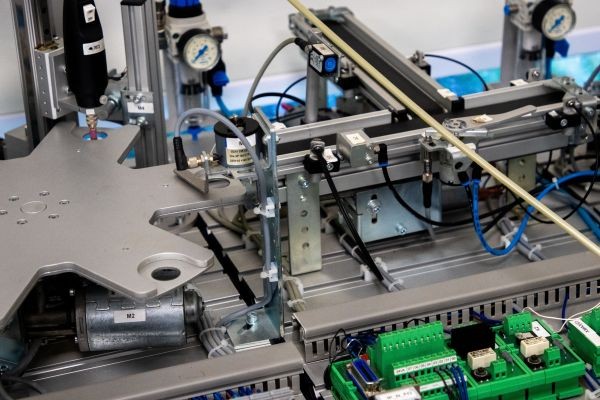
The Vibration Control System Market is being shaped by a combination of industrial modernization, technological advancement, regulatory pressure, and the growing need for operational efficiency. Vibration control systems are increasingly important across manufacturing, aerospace, automotive, energy, construction, healthcare, and other sectors where excessive vibration can affect equipment performance, structural integrity, product quality, and worker safety.
As industries adopt more automated and high-speed machinery, the need to monitor, isolate, dampen, and actively control vibration continues to grow. The market is also moving beyond traditional passive components toward intelligent systems capable of real-time monitoring, predictive maintenance, and automated response. These developments are creating new opportunities while also introducing cost, integration, and technical challenges.
Expansion of Industrial Automation
The rapid adoption of industrial automation is one of the most significant factors influencing the Vibration Control System Market. Automated production lines depend on precision machinery that must operate continuously and accurately. Even minor vibration can affect the performance of robotic arms, CNC machines, semiconductor manufacturing equipment, inspection systems, and other precision technologies.
As production systems become faster and more interconnected, vibration control is becoming an essential part of equipment design rather than an optional enhancement. Manufacturers are increasingly using vibration isolation mounts, damping materials, active control systems, and monitoring technologies to maintain accuracy and reduce equipment downtime.
The growth of smart factories is further strengthening this demand. Connected machines generate large volumes of operational data, allowing vibration patterns to be analyzed in real time. This helps businesses identify equipment problems before they develop into costly failures.
Growing Focus on Predictive Maintenance
Predictive maintenance is significantly changing how industries manage machinery. Traditional maintenance schedules often rely on fixed intervals, which can result in unnecessary servicing or unexpected breakdowns. Vibration analysis provides a more precise method of evaluating equipment health.
Changes in vibration patterns can indicate problems such as bearing wear, shaft imbalance, misalignment, looseness, or structural fatigue. By combining vibration sensors with analytics software and industrial Internet of Things platforms, companies can identify potential failures at an early stage.
This shift toward condition-based maintenance is increasing demand for advanced vibration control systems with integrated monitoring capabilities. Businesses are increasingly seeking solutions that not only reduce vibration but also provide actionable information about machine performance.
Increasing Demand from the Automotive Industry
The automotive industry remains a major area of application for vibration control technologies. Vehicle manufacturers use these systems to improve ride comfort, reduce noise, and enhance the durability of engines, transmissions, suspension systems, and other components.
The rise of electric vehicles is creating new requirements. Electric powertrains operate differently from conventional internal combustion engines and can generate distinct high-frequency vibration patterns. Although electric vehicles generally produce less mechanical noise, other sources of vibration may become more noticeable because of quieter operation.
Manufacturers are therefore investing in advanced materials, active vibration control, precision balancing, and sensor-based technologies. The growing production of electric and hybrid vehicles is expected to influence product development across the Vibration Control System Market.
Growth of Aerospace and Defense Applications
Aerospace and defense equipment requires highly reliable vibration management because components often operate under extreme conditions. Aircraft engines, avionics, satellites, unmanned systems, and military vehicles are exposed to vibration during operation, transportation, and launch.
Uncontrolled vibration can reduce component life, affect sensitive electronics, and compromise mission performance. As aerospace systems become lighter and more compact, vibration control becomes increasingly challenging. Lightweight structures may be more vulnerable to resonance and structural vibration.
This is increasing interest in advanced damping materials, tuned mass dampers, active vibration control, and intelligent monitoring systems. The expansion of commercial aviation, space exploration, and unmanned aerial systems is creating additional demand for high-performance vibration control solutions.
Rising Adoption of Smart Sensors and Connected Technologies
Digital transformation is having a strong impact on vibration control system development. Modern systems increasingly incorporate wireless sensors, cloud platforms, artificial intelligence, machine learning, and real-time analytics.
Smart sensors can continuously collect vibration data from industrial assets and transmit information to centralized monitoring platforms. Advanced software can then identify abnormal patterns and help maintenance teams determine the likely cause of a problem.
Artificial intelligence is also improving the ability to distinguish between normal operating conditions and early signs of failure. Over time, systems can learn from historical data and improve their diagnostic accuracy.
This technological evolution is expanding the role of vibration control systems. Instead of functioning solely as mechanical components, they are increasingly becoming part of broader industrial intelligence and asset management platforms.
Stricter Safety and Environmental Requirements
Regulatory requirements related to workplace safety, noise, structural integrity, and environmental performance are also influencing market growth. Excessive vibration can create health risks for workers, contribute to equipment degradation, and affect nearby structures.
Industries operating heavy machinery are increasingly expected to manage vibration and noise levels more effectively. In sectors such as construction, transportation, manufacturing, and mining, vibration monitoring can help reduce the impact of industrial operations on workers and surrounding communities.
These requirements are encouraging companies to adopt more sophisticated isolation and damping technologies. In many applications, compliance with safety and environmental expectations is becoming an important factor in equipment procurement decisions.
Rising Infrastructure and Construction Activity
The construction and infrastructure sectors are generating additional opportunities for vibration control systems. Buildings, bridges, rail networks, tunnels, and industrial facilities can experience vibration from traffic, machinery, construction activity, and natural forces.
In urban areas, the expansion of metro systems and high-speed transportation networks has increased the need for vibration isolation. Rail-induced vibration can affect nearby buildings, sensitive equipment, laboratories, and residential areas.
Construction projects also increasingly use vibration monitoring systems to assess the impact of drilling, piling, excavation, and demolition activities. These applications are supporting demand for both temporary monitoring solutions and permanent structural vibration control systems.
Demand for Energy Efficiency and Equipment Longevity
Energy efficiency is another important factor shaping the market. Excessive vibration can increase friction, energy consumption, and mechanical losses. It can also accelerate wear and shorten the operating life of equipment.
By reducing unwanted vibration, companies can improve machine efficiency and reduce the frequency of component replacement. This creates financial benefits while supporting sustainability objectives.
Many industries are therefore evaluating vibration control systems as part of broader efforts to reduce operational costs and improve asset utilization. The ability to extend equipment life can be particularly valuable in sectors where machinery is expensive or difficult to replace.
High Initial Costs and Integration Challenges
Despite strong demand, high installation costs can limit market expansion. Advanced vibration control systems may require specialized sensors, software, control units, engineering services, and customized installation.
For small and medium-sized businesses, these initial expenses can make adoption more difficult. Some companies may continue using traditional passive solutions because they are less expensive and easier to install.
Integration can also be challenging. New vibration control technologies may need to connect with existing industrial control systems, maintenance software, and data platforms. Compatibility issues, cybersecurity concerns, and a shortage of skilled professionals can slow implementation.
Demand for Customized Solutions
Vibration problems vary significantly depending on the equipment, operating environment, frequency range, and structural design. As a result, customers increasingly require application-specific solutions.
A system designed for a semiconductor manufacturing facility may be very different from one used in a wind turbine, aircraft, industrial press, or railway structure. This is encouraging manufacturers to develop modular and customizable technologies.
Companies capable of providing engineering support, simulation, installation, and long-term monitoring services may gain a competitive advantage. The market is therefore becoming increasingly focused on complete solutions rather than individual components.
Regional Industrial Development
Regional industrial growth is another factor influencing the Vibration Control System Market. Established manufacturing economies continue to invest in automation, aerospace, automotive production, and advanced machinery. At the same time, developing economies are expanding industrial infrastructure and modernizing production facilities.
Growing investment in factories, transportation networks, power generation, and construction is creating new demand for vibration management technologies. Local manufacturing capabilities, infrastructure spending, regulatory standards, and technology adoption rates all influence regional market performance.
Future Market Outlook
The future of the Vibration Control System Market [https://www.pristinemarketinsights.com/vibration-control-system-market-report] will be shaped by the convergence of mechanical engineering and digital technologies. Passive vibration isolation will remain important, but demand is expected to grow for intelligent systems that combine sensing, analytics, automation, and predictive maintenance.
The increasing use of artificial intelligence, wireless monitoring, advanced materials, and active control technologies will create new opportunities for innovation. At the same time, manufacturers will need to address affordability, system integration, cybersecurity, and technical complexity.
Overall, the market is benefiting from the growing importance of precision, reliability, safety, and operational efficiency. As industries become more automated and connected, vibration management will continue to evolve from a specialized engineering function into an important component of modern asset performance and industrial productivity.






