
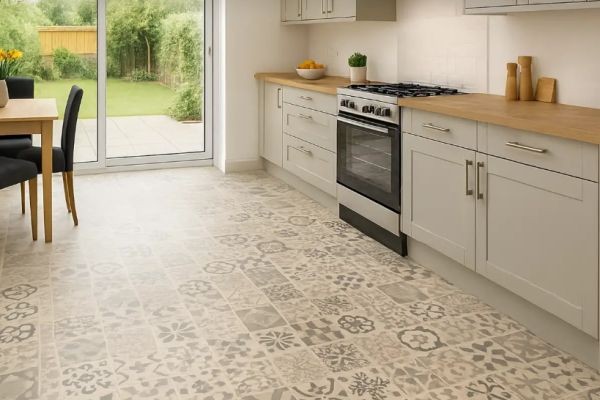
When planning a home renovation or updating a commercial interior, flooring is an important decision. Vinyl flooring UK customers can choose from a variety of styles and formats, making it a versatile option for many rooms.
From decorative designs inspired by wood to practical sheet flooring, vinyl products can provide different combinations of appearance, comfort, maintenance, and cost. Understanding the available options can help you select flooring that suits your property and everyday requirements.
What Is Vinyl Flooring?
Vinyl flooring is a resilient floor covering made using synthetic materials. It is available in several formats, including sheet vinyl, vinyl tiles, and luxury vinyl planks or tiles.
Sheet vinyl is supplied in broad rolls and may provide a more continuous appearance across a room. LVT products are manufactured in individual planks or tiles, offering greater flexibility in creating particular patterns and layouts.
Different products have different construction methods, performance characteristics, and installation requirements. The term vinyl flooring therefore covers a broad category rather than one identical material.
Benefits of Vinyl Flooring
Variety of Colours and Finishes
Vinyl flooring is available in designs inspired by timber, stone, tiles, and other decorative surfaces. This variety makes it possible to coordinate a floor with existing furniture, cabinets, and wall finishes.
Lighter designs may help a room feel visually open, while darker colours can complement contrasting furniture and contemporary interiors.
Before purchasing, review samples under the lighting in the room where the flooring will be installed. Colours can look different in natural daylight and artificial lighting.
Everyday Cleaning
Many vinyl floors can be maintained through routine sweeping or vacuuming and damp cleaning with products approved by the manufacturer.
This can make vinyl an appealing option for households looking for straightforward floor maintenance. Nevertheless, the cleaning method depends on the particular product, finish, and installation.
Avoid abrasive tools or unsuitable cleaning chemicals that could damage the surface.
Options for Different Rooms
Vinyl flooring may be suitable for kitchens, utility rooms, hallways, living spaces, and other areas when the selected product meets the requirements of the location.
Water resistance and suitability for wet areas vary between products. Check the manufacturer's instructions before installing flooring in bathrooms or other places exposed to regular moisture.
Sheet Vinyl or Luxury Vinyl Tiles?
Sheet vinyl can be useful when you want a continuous floor covering with relatively few visible joints. It is available in different widths and designs, although the room's dimensions and layout influence the fitting process.
Luxury vinyl tiles and planks provide individual pieces that can create wood-effect, stone-effect, or other patterns. Some products use adhesive, while others use a click-lock installation system.
Compare the formats according to the room size, subfloor condition, design preference, and installation requirements.
How to Select the Right Vinyl Flooring
Before buying, consider the following factors:
- Thickness and construction: Review the complete product specifications rather than comparing overall thickness alone.
- Wear performance: Check the product's suitability for the expected foot traffic.
- Slip resistance: Assess the relevant specifications for the intended environment.
- Installation: Confirm whether adhesive, specialist preparation, or professional fitting is required.
- Maintenance: Read the recommended cleaning instructions.
- Budget: Include underlay where applicable, adhesives, trims, preparation, fitting, and waste material.
Accurate measurements are essential. Complex room shapes may require additional material and careful cutting.
Preparing for Installation
The subfloor must meet the product manufacturer's requirements. It may need to be level, dry, clean, and structurally sound.
Existing flooring should not automatically be covered without checking whether the new material can be installed over it. Some surfaces may require removal or preparation before fitting.
If moisture, unevenness, or structural problems are present, address them before installing the new floor. Professional advice can be helpful when the correct preparation method is uncertain.
Find Vinyl Flooring in the UK
Explore Witch Group's vinyl sheet and cushion flooring range to review options for your project.
By comparing flooring formats, checking specifications, and preparing the subfloor correctly, you can choose vinyl flooring that complements your interior and meets your practical needs.


