
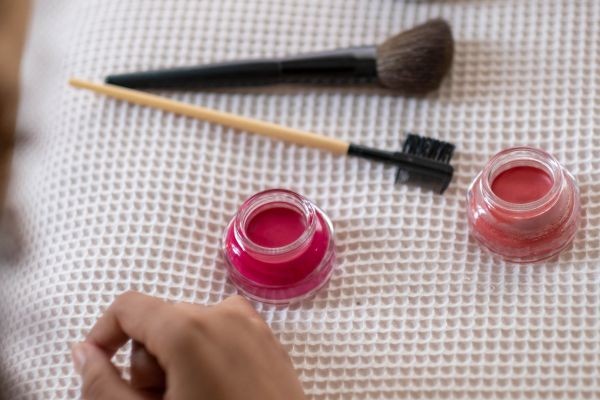
The Waterless Cosmetics Market is expected to gain lasting importance as beauty brands, consumers, manufacturers, and retailers place greater emphasis on sustainability, product efficiency, and responsible resource use. Waterless beauty products are formulated with little or no added water and are commonly available as powders, solid bars, tablets, concentrates, sticks, and other compact formats. These products are designed to reduce unnecessary water use during manufacturing while offering longer shelf life, concentrated performance, and more efficient packaging.
The long-term outlook for the market is supported by changing consumer expectations. Beauty buyers are increasingly interested in products that align with environmental values without compromising quality, convenience, or sensory appeal. As awareness of water conservation expands, waterless formulations may move from a specialized category toward a more established part of the global cosmetics industry.
Sustainability Will Remain a Core Growth Foundation
Environmental responsibility is likely to remain one of the strongest long-term influences on the Waterless Cosmetics Market. Traditional cosmetic products often contain water as a major formulation component. Although water can improve texture and ease of application, its use may increase product weight, packaging requirements, and transportation demands.
Waterless alternatives can offer a more concentrated format. Smaller product sizes may reduce the amount of packaging material needed and allow more units to be transported within the same shipping capacity. These advantages can support broader sustainability strategies across sourcing, production, logistics, and retail distribution.
However, long-term success will depend on measurable environmental benefits rather than simple marketing claims. Consumers are becoming more attentive to ingredient sourcing, packaging materials, manufacturing practices, and product disposal. Companies that provide transparent information and demonstrate meaningful improvements may strengthen customer trust and maintain a competitive position.
Product Innovation Will Expand Market Applications
Innovation is expected to broaden the range of waterless cosmetic products available over the coming years. Early development has focused heavily on solid shampoos, cleansing bars, powdered face cleansers, and concentrated skincare products. Future innovation may extend further into makeup, hair care, body care, sun care, professional beauty, and personalized cosmetics.
Advances in formulation science may improve the texture, stability, and ease of use of waterless products. One challenge has been creating products that feel comfortable and familiar while maintaining strong performance. Consumers may hesitate to adopt a product if it requires complicated preparation or produces an unfamiliar sensory experience.
Manufacturers are likely to develop smoother powders, faster-dissolving tablets, softer solid products, and adaptable concentrates. Some products may activate when mixed with water at home, allowing users to control the final consistency. Others may be designed for direct application, reducing the need for additional preparation.
These developments could make waterless beauty more accessible to a wider audience and support long-term category expansion.
Consumer Preferences Will Continue to Evolve
The Waterless Cosmetics Market is closely connected to broader changes in consumer behavior. Many buyers now evaluate cosmetics according to more than fragrance, appearance, or immediate results. They may also consider ingredient transparency, environmental impact, packaging waste, product longevity, and brand responsibility.
Younger consumers are expected to remain important drivers of demand because they often show strong interest in sustainable consumption and innovative product formats. At the same time, waterless cosmetics may attract practical consumers who value compact packaging, reduced product waste, and convenient storage.
Long-lasting products may become especially appealing in households seeking greater value from each purchase. Concentrated formulations can provide multiple uses from a smaller quantity, although brands will need to communicate usage instructions clearly. If consumers apply too much or misunderstand how a product should be activated, the perceived value may decline.
Education will therefore remain important. Clear labeling, demonstrations, and simple instructions can help customers understand the benefits and correct use of waterless formulations.
Packaging Innovation Will Shape Future Differentiation
Packaging will play a major role in the long-term development of the Waterless Cosmetics Market. Since waterless products are often compact and concentrated, companies have opportunities to reduce packaging size and explore alternative materials.
Refill systems may become more common, particularly for powders, tablets, and concentrated products. Consumers may purchase a durable container once and then buy refill packs for continued use. This model can reduce packaging consumption while encouraging repeat purchases.
Plastic-free packaging, recyclable materials, reusable containers, and lightweight designs may also support product differentiation. However, packaging choices must protect product quality. Waterless formulas can be sensitive to moisture, humidity, and contamination, making effective barriers essential.
The future of packaging will likely involve balancing environmental objectives with product safety, durability, convenience, and cost. Companies that achieve this balance may gain a long-term advantage.
Digital Commerce Will Support Market Expansion
Online retail is expected to remain an important distribution channel for waterless cosmetics. Digital platforms allow brands to explain new product formats through videos, demonstrations, customer reviews, and detailed instructions. This is valuable because some consumers may be unfamiliar with powdered, solid, or concentrated beauty products.
Direct-to-consumer brands may use digital channels to test new formulations and collect customer feedback quickly. Subscription programs could also support repeat purchases, especially for products with predictable usage cycles.
Social media may increase awareness by showing how waterless products are used and highlighting their compact design. Educational content can reduce uncertainty and encourage trial. Over time, stronger consumer familiarity may also support wider availability through supermarkets, pharmacies, specialty beauty stores, and professional salons.
An effective combination of digital education and physical retail access could strengthen long-term market penetration.
Technology Will Improve Formulation Performance
Technological progress is expected to influence the quality and diversity of waterless cosmetic products. New ingredient-processing methods may help create stable formulas with improved texture and controlled release properties.
Advanced powders may become easier to activate, while solid products may offer better spreadability and comfort. Encapsulation technologies could protect sensitive ingredients until the product is used. These developments may support the inclusion of vitamins, botanical extracts, antioxidants, and other functional components.
Personalization may also become more relevant. Consumers could select concentrated products based on skin type, hair condition, climate, or specific beauty goals. Some brands may offer modular systems that allow users to combine different powders or concentrates.
As technology advances, waterless products may become more sophisticated and less dependent on simple solid formats.
Regulatory and Quality Requirements Will Influence Adoption
The long-term outlook will also depend on regulatory compliance and consistent product quality. Waterless cosmetics must meet safety, labeling, ingredient, and manufacturing requirements in the markets where they are sold.
Although reduced water content may lower the risk of certain types of microbial growth, waterless products are not automatically free from preservation or contamination concerns. Products may come into contact with water during use, and some formulas may require protection from moisture.
Manufacturers will need strong quality-control systems to maintain product stability throughout storage and distribution. Clear instructions regarding handling and storage can help preserve product performance.
As the category grows, standards related to sustainability claims may become more detailed. Brands may need to support environmental statements with reliable evidence. This could encourage greater transparency and reduce misleading claims.
Challenges May Slow Adoption in Some Segments
Despite positive long-term prospects, several challenges may affect market growth. Product development can require specialized knowledge, and some waterless formulations may be more expensive to create than conventional products.
Consumers may also be reluctant to change familiar beauty routines. A person accustomed to liquid shampoo or cream-based skincare may initially view a powder or solid product as inconvenient. Brands must demonstrate that waterless alternatives are effective, easy to use, and worth the price.
Climate conditions may create additional challenges. High humidity can affect certain products during transportation or storage. Packaging and supply-chain systems must be designed to maintain quality under different environmental conditions.
Price sensitivity may also influence adoption. While concentrated products can offer long-term value, their initial purchase price may appear high. Clear communication about product yield and usage can help address this concern.
Long-Term Market Outlook
The Waterless Cosmetics Market is positioned for gradual and sustained development as sustainability, innovation, and consumer awareness continue to reshape the beauty industry. Growth is likely to be supported by improved formulations, compact packaging, digital education, refill models, and expanding product applications.
The market may move beyond its current association with niche sustainable beauty and become a more integrated part of mainstream cosmetics. Success will depend on delivering practical benefits alongside environmental value. Products must remain effective, pleasant to use, accessible, and competitively priced.
Over the long term, companies that combine scientific innovation with transparent sustainability practices may establish strong customer loyalty. As water conservation becomes a more visible global concern, waterless beauty could become an important model for reducing resource use while maintaining high standards of cosmetic performance.
The future of the Waterless Cosmetics Market will likely be defined by continuous improvement rather than a single transformation. New formats, smarter packaging, better formulations, and changing consumer habits may collectively create a more efficient and environmentally conscious beauty ecosystem.






