
Understanding these diseases and their possible symptoms can help individuals recognize changes in their health and discuss concerns with a healthcare professional.
Understanding IgAN Kidney Disease
IgAN kidney disease is another name commonly used for IgA nephropathy. It occurs when immunoglobulin A (IgA) deposits build up in the glomeruli, the tiny filtering structures within the kidneys. These deposits can cause inflammation and damage over time.
People with IgA nephropathy can experience different symptoms and disease progression. Blood in the urine and protein in the urine are common findings. Some individuals may notice visible changes in their urine, while others may only discover abnormalities through laboratory testing.
Swelling, high blood pressure, and changes in kidney function can also occur. However, some people may have few noticeable symptoms, particularly during earlier stages. Regular medical monitoring can therefore be important when kidney abnormalities are identified.
Membranous Nephropathy Symptoms
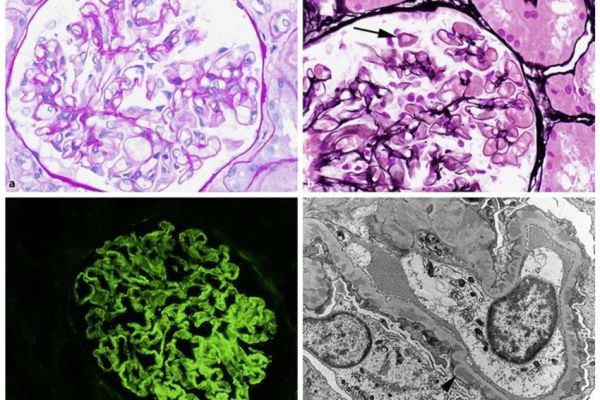
Membranous nephropathy is a kidney disease in which the filtering structures become damaged, allowing protein to leak into the urine. The condition can have different underlying causes and may be associated with immune-system activity.
The membranous nephropathy symptoms a person experiences can depend on the severity of protein loss and kidney involvement. One of the most noticeable signs may be swelling, particularly around the legs, ankles, feet, or eyes.
Other possible findings include foamy urine caused by increased protein in the urine, high cholesterol, weight changes related to fluid retention, and high blood pressure. Some individuals may have no obvious symptoms initially and may learn about the condition after routine urine or blood testing.
Because protein loss can be significant in some cases, healthcare professionals may monitor urine protein levels and kidney function over time.
APOL1 Kidney Disease and Possible Symptoms
APOL1 is a gene that provides instructions for a protein involved in the body's immune response. Certain APOL1 genetic variants have been associated with an increased risk of developing particular kidney diseases. Having an APOL1 risk variant does not mean that a person will necessarily develop kidney disease.
The APOL1 kidney disease symptoms can depend on the type and extent of kidney involvement. Possible findings may include protein in the urine, swelling, high blood pressure, or reduced kidney function.
Some individuals may not experience noticeable symptoms until kidney disease has progressed. This makes appropriate testing and medical evaluation important when there are concerns about kidney health or a potential genetic risk.
Why Kidney Testing Matters
IgAN, membranous nephropathy, and APOL1-associated kidney disease can have overlapping signs, including protein in the urine and changes in kidney function. Symptoms alone cannot reliably determine which condition is present.
Healthcare professionals may use urine tests, blood tests, imaging, medical history, and, when appropriate, kidney biopsy or genetic testing to investigate the underlying cause. The diagnostic approach depends on the individual's circumstances and clinical findings.
Staying Informed About Kidney Health
Learning about kidney conditions can help patients prepare meaningful questions for their healthcare team. Persistent swelling, blood or protein in the urine, high blood pressure, or unexplained changes in kidney-function tests should be discussed with a qualified healthcare professional.
Understanding IgAN kidney disease, membranous nephropathy symptoms, and APOL1 kidney disease symptoms can provide useful background for patients and families. However, online information should not be used as a substitute for professional diagnosis or personalized medical advice.






