
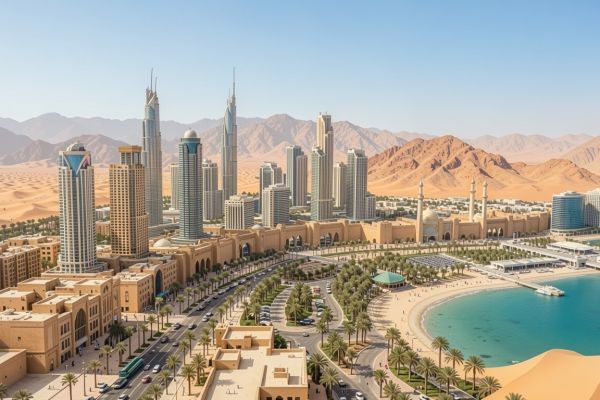
Moving to Saudi Arabia can be an exciting decision for professionals, families, students seeking new opportunities. The country has developed rapidly, with expanding industries, new infrastructure, international communities. However, relocating successfully requires more than booking a flight and finding a job.
Before arriving, expatriates should understand practical matters such as visas, housing, employment, transportation, healthcare, banking, weather, cultural expectations, and everyday expenses. Preparing these areas in advance can reduce stress and help newcomers settle into their new surroundings more comfortably.
A reliable Saudi Life Guide [https://saudilifeguide.com/] can help newcomers understand the country from a practical perspective, but personal preparation is important. Saudi Arabia is not the same everywhere, and life in Riyadh can differ from life in Jeddah, Dammam, or smaller cities. Understanding local conditions before choosing where to live can make the transition much easier.
Check Your Visa and Residency Requirements
The first priority is making sure your immigration status matches your purpose of stay. Employees normally need an employment-related process supported by their employer, while family members may require dependent arrangements. Requirements can change, so confirm current rules through official channels before making travel plans.
Prepare Important Documents
Keep physical and digital copies of important documents. Depending on your situation, you may need passports, employment documents, educational certificates, marriage certificates, birth certificates, photographs, medical records, and other paperwork.
- Check passport validity before travel.
- Complete required document attestations when applicable.
- Store digital copies securely.
- Keep contact details for your employer or sponsor.
Understand Your Employment Contract
If you are moving for work, read your employment contract before accepting the position. Salary is important, but housing, transportation, medical insurance, annual leave, airfare, bonuses, working hours, and other benefits can significantly affect your experience.
Ask about probation, resignation procedures, working location, overtime, and responsibilities. Keep a copy of the signed agreement and understand which costs your employer will cover.
Questions to Ask Your Employer
A clear conversation before relocation can prevent misunderstandings later.
- What is the salary and payment date?
- Is accommodation provided or paid as an allowance?
- Is medical insurance included?
- Who pays relocation expenses?
- What are the working hours?
- How many annual leave days are provided?
- Is transportation available?
Choose the Right City
Saudi Arabia has several major cities, and each has a different character. Riyadh is the capital and a major center for government, finance, technology, consulting, and large companies. Jeddah has a coastal environment and strong commercial activity. Dammam, Khobar, and surrounding areas are important for energy, industry, and business.
Your best city depends on your workplace, family needs, budget, and preferred lifestyle.
Riyadh
Riyadh offers a large employment market and extensive services, but housing and commuting costs can vary significantly by area. Traffic can also affect daily travel.
Eastern Province
Dammam and Khobar are connected to major industrial and energy activity. The region can be attractive for professionals in related sectors and families seeking established residential communities.
Plan Your Housing
Do not choose accommodation based only on photographs. Consider distance to work, access to supermarkets, schools, healthcare, public transport, parking, and daily services.
If possible, inspect the neighborhood before signing a long lease. Ask about utility costs, maintenance responsibilities, contract terms, deposits, and renewal conditions.
- Compare several neighborhoods.
- Calculate commuting time.
- Check nearby essential services.
- Understand the rental agreement.
- Confirm maintenance responsibilities.
- Consider school locations for families.
Understand the Cost of Living
Living costs vary according to city, neighborhood, family size, housing choice, transportation, and lifestyle. A person living alone may have very different expenses from a family with children.
Create a monthly budget before moving. Include rent, utilities, groceries, transport, communication, insurance, school fees when applicable, entertainment, and savings.
Learn How Transportation Works
Transportation options differ between cities and neighborhoods. Many residents use private cars, taxis, ride-hailing services, or employer transportation. Public transportation has expanded in some areas, but availability varies by location.
If you plan to drive, understand local requirements and road conditions before relying on a vehicle.
- Check whether your driving documents are valid.
- Learn local road rules.
- Budget for fuel and parking.
- Consider commuting distance.
- Explore available ride-hailing options.
Prepare for the Climate
Saudi Arabia has a hot and generally dry climate, although conditions vary by region and season. Summers can be extremely hot, particularly in inland areas, while coastal locations can feel more humid.
Newcomers should adapt gradually and plan outdoor activities around weather conditions. Air conditioning is important for homes, offices, vehicles, and many public spaces.
- Stay hydrated during hot weather.
- Use sun protection outdoors.
- Keep suitable clothing for the season.
- Allow time to adjust to high temperatures.
- Check weather conditions before outdoor activities.
Understand Local Culture and Etiquette
Respect for local culture is an important part of settling in. Saudi society has its own traditions, social expectations, and public norms. Visitors and residents should learn these expectations rather than assuming practices from their home country apply everywhere.
Dress should be appropriate for the setting, and public behavior should remain respectful. Religious sites and events may have additional expectations.
Everyday Etiquette
Small habits can make daily interactions easier.
- Greet people politely.
- Respect personal and family spaces.
- Be considerate during prayer times.
- Follow rules in public places.
- Ask before photographing people.
- Respect local customs during Ramadan.
Learn About Healthcare
Before moving, understand your health insurance coverage and how to access medical services. Employees may receive insurance through their employer, but coverage depends on the policy.
Families should identify nearby hospitals, clinics, pharmacies, and emergency services. Keep copies of prescriptions and important medical records when needed.
- Confirm insurance coverage.
- Identify nearby healthcare facilities.
- Keep important medical information accessible.
- Check whether regular medicines are available locally.
Set Up Banking and Payments
Opening and using a local bank account can make salary payments, rent, bills, and everyday purchases easier. Your employer or bank can explain current requirements.
Digital payments are widely used, but keeping a suitable backup payment method is practical.
Manage Your Finances
Track spending during the first few months because relocation can change your usual expenses. Compare expected costs with actual spending and adjust your budget.
- Separate essential and optional expenses.
- Monitor recurring payments.
- Save part of your income when possible.
- Keep emergency funds accessible.
- Review international transfer costs.
Build a Social Network
Moving to another country can feel isolating when everything is unfamiliar. Building connections with colleagues, neighbors, professional groups, and community organizations can make adjustment easier.
At the same time, try to learn about Saudi society rather than staying only within an expatriate circle. Local friendships and respectful cultural curiosity can provide a better understanding of everyday life.
Common Mistakes Expats Should Avoid
Many relocation problems come from insufficient preparation rather than major obstacles. Avoid assuming that every city has the same costs, transportation options, or lifestyle.
- Do not sign a lease without understanding the terms.
- Do not ignore commuting distance.
- Do not rely on informal promises about employment benefits.
- Do not ignore local customs.
- Do not spend your entire relocation budget immediately.
- Do not delay important residency procedures.
- Do not assume every service works exactly like it does at home.
Final Thoughts
Moving to Saudi Arabia becomes easier when practical decisions are made before arrival. Confirm your visa and employment arrangements, understand your budget, choose a suitable city and neighborhood, prepare for the climate, learn local customs, and organize healthcare and banking. Once you arrive, give yourself time to adjust instead of expecting everything to feel familiar immediately.
Saudi Arabia offers a wide range of experiences for expatriates, from major business centers and modern residential communities to historic areas and diverse regional cultures. With realistic expectations, careful planning, and respect for local life, newcomers can build a comfortable routine and make the most of their time in the country.
Frequently Asked Questions
Is Saudi Arabia suitable for expats?
Saudi Arabia has large expatriate communities and opportunities across many industries. Suitability depends on employment, city, family needs, budget, and personal preferences.
Which city is best for expats?
There is no single best city. Riyadh may suit professionals seeking corporate opportunities, Jeddah may appeal to people who prefer a coastal environment, while the Eastern Province can suit workers connected to energy and industry.
How much money should I save before moving?
The amount depends on your employment package and family situation. Plan for travel, temporary accommodation, deposits, transportation, food, and unexpected expenses before receiving your first regular salary.
Do I need to learn Arabic?
You can manage many situations using English, particularly in major cities, but basic Arabic can make everyday communication easier and help you connect with local communities.
What should I check before renting a home?
Check location, commute, rent, utilities, maintenance, parking, contract terms, nearby services, and school access if you have children.
What is the biggest adjustment for new expats?
The adjustment varies, but climate, work culture, social customs, transportation, and daily schedules may require time. Preparation and patience can make the transition smoother.






