
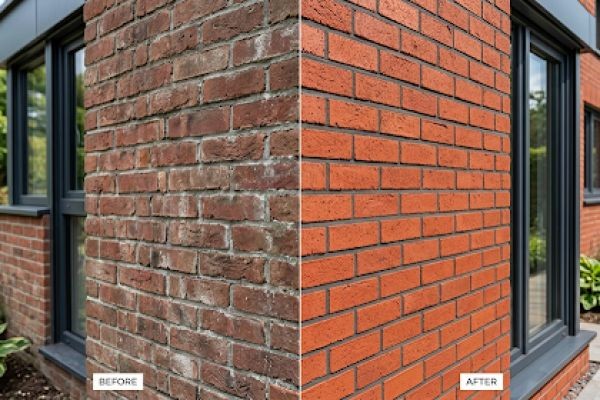
If you've spent any time looking at ways to improve old brick, you've probably come across paint, coatings, sealers, and all sorts of products claiming to be the perfect solution. The problem is that many of them sit on the surface and create issues later. Peeling, flaking, trapped moisture, uneven fading. It happens more often than people think. A silicate stain works differently. Instead of creating a film over the masonry, it bonds with the mineral structure beneath the surface. That's a big deal. Brick is naturally porous and needs to breathe. When moisture gets trapped behind conventional coatings, damage starts showing up sooner or later. A quality silicate-based product becomes part of the masonry rather than acting like a layer on top of it.
Why Exterior Brick Stain Is Becoming More Popular
Drive through almost any neighborhood and you'll notice something. Brick homes built twenty, thirty, even fifty years ago often still have solid structure. The color, though? Not always.
Sun exposure, weather changes, pollution, and age can leave brick looking dull or inconsistent. Replacing brick is expensive. Painting it can create long-term maintenance headaches. That's where an exterior brick stain starts making sense.
Homeowners want color improvement without sacrificing the natural character of masonry. They want brick to still look like brick. Not plastic. Not painted. Just better.
That's exactly what a silicate stain is designed to do. It enhances and changes color while preserving the natural texture people actually like. The surface keeps its authentic appearance, which is something many property owners don't realize until they compare stained brick against painted brick side by side.
The difference can be pretty dramatic.
How Silicate Stain Bonds With Masonry Surfaces
One of the most misunderstood parts of masonry coloring is how the product actually interacts with the substrate. Traditional coatings cover. Silicate technology penetrates and chemically bonds.
That bonding process creates durability that's difficult to achieve with ordinary paint systems. Instead of sitting exposed on the surface, the color becomes integrated into the masonry itself.
Think about it this way. If you scratch a painted surface, you're removing a visible coating. With a properly applied silicate stain, the color exists deeper within the material structure. The result is often a much more natural finish and improved longevity.

This is especially valuable on brick exteriors exposed to harsh weather conditions. Wind-driven rain, UV rays, temperature swings. Exterior walls take a beating every year. A stain that becomes part of the masonry has an advantage in those conditions.
That's one reason restoration professionals frequently choose mineral-based staining systems when preserving the appearance of historic and modern brick buildings alike.
The Real Benefits Homeowners Notice First
Technical details matter, but most homeowners care about results they can actually see. Fair enough.
The first thing people notice after applying a quality silicate stain is the natural appearance. Brick texture remains visible. Mortar joints maintain their character. Nothing looks coated or artificial.
The second thing is color consistency. Many older homes have patchy areas where repairs were made over time. New brick often doesn't match old brick. Different batches create obvious visual differences. A properly selected stain can help blend those inconsistencies into a more unified appearance.
Then there's maintenance. Nobody wants to spend every few years repainting an exterior wall. Since silicate stains don't create a film that peels away, maintenance requirements are often significantly lower compared to conventional paint systems.
It's not magic. Buildings still age. Weather still exists. But choosing the right product at the beginning usually reduces future headaches.
When Exterior Brick Stain Makes More Sense Than Paint
This is where a lot of property owners get stuck. Paint seems familiar. Everyone understands paint.
But brick isn't drywall.
Masonry materials absorb moisture naturally. That moisture needs a path back out. When thick coatings restrict vapor movement, problems can develop underneath. Sometimes it takes years. Sometimes less.
An exterior brick stain allows the masonry to continue functioning more naturally. Moisture vapor can move through the wall while the color remains integrated into the surface.
For homeowners wanting a major color update without creating a maintenance cycle, staining often becomes the smarter long-term choice. That's particularly true for older homes where preserving masonry integrity matters.

At Mineral Stains, much of the focus is helping customers achieve color transformation while maintaining the architectural character that made them choose brick in the first place.
Because honestly, if someone wanted a painted look, they probably wouldn't have chosen brick.
Common Applications for Silicate Stain Projects
Silicate staining isn't limited to one type of property. That's another reason demand has grown.
Residential homes represent a large portion of projects. Homeowners use stain to modernize outdated brick colors, unify additions, or improve curb appeal before selling.
Commercial properties also benefit. Retail centers, office buildings, restaurants, and multifamily developments often need exterior updates without the disruption and expense of complete reconstruction.
Historic preservation projects are another major category. Preservation professionals frequently seek solutions that maintain original masonry characteristics while addressing appearance concerns. Since silicate stain works with the mineral substrate, it aligns well with many restoration objectives.
Even new construction uses staining techniques. Sometimes freshly installed brick doesn't match design expectations. Rather than replacing materials, staining provides a practical correction method.
The flexibility is what makes the system appealing across different building types and project goals.
Choosing the Right Color for Lasting Results
Color selection sounds simple until you're standing in front of dozens of options.
Then it gets complicated pretty quickly.
Most experts recommend evaluating surrounding architectural elements before choosing a stain color. Roofing materials, trim colors, stone accents, landscaping, and neighboring structures all influence how a finished project will look.
A common mistake is selecting colors based only on small samples viewed indoors. Exterior lighting changes everything. Morning sun, cloudy conditions, shade patterns. Brick color can appear different throughout the day.
With a professional-grade silicate stain, subtle color adjustments often create the most successful results. Completely covering the character of the brick isn't usually the goal. Enhancing it is.
That's why many experienced contractors perform test areas first. It gives property owners a chance to see how the color behaves on the actual building before proceeding with full application.
Small step. Huge difference.
What Affects the Performance of Exterior Brick Stain
Not all staining projects perform equally. Preparation matters more than many people expect.
Dirty surfaces, trapped contaminants, failing repairs, or excessive moisture can impact final results. That's why proper cleaning and inspection should happen before stain application begins.
The type of brick also matters. Older handmade brick behaves differently than modern manufactured units. Density, porosity, and existing condition all influence stain absorption.
Climate plays a role too. Application during extreme temperatures can create challenges. Following manufacturer recommendations helps ensure consistent penetration and color development.
When quality products are paired with proper preparation, results tend to be significantly better and longer lasting. Skip the prep work and problems often follow. Not always immediately, but eventually.
That's just the reality of exterior masonry work.
Why Mineral-Based Solutions Continue Growing in Demand
Building science has evolved quite a bit over the past decade. Property owners are paying closer attention to moisture management, sustainability, and long-term durability.
Mineral-based products fit naturally into those conversations.
Rather than creating synthetic surface layers, they work with existing masonry materials. That compatibility helps support the long-term performance of brick structures while still achieving aesthetic goals.
Consumers are also becoming more informed. They research products before making decisions. They compare maintenance requirements. They ask harder questions.
As a result, solutions like silicate stain continue attracting attention from homeowners seeking alternatives to conventional coatings.
Brands such as Mineral Stains have helped drive awareness by educating customers about the advantages of breathable masonry coloring systems. Once people understand the difference between staining and painting, their perspective often changes pretty quickly.
Conclusion: Is Silicate Stain the Right Choice for Your Brick?
For many property owners, the answer is yes.
A quality silicate stain offers a practical way to transform brick appearance while preserving the natural qualities that make masonry attractive in the first place. Unlike traditional coatings, it bonds with the substrate, maintains breathability, and delivers a finish that looks authentic rather than painted.
Whether you're updating an aging home, improving commercial curb appeal, blending mismatched repairs, or restoring historic masonry, an exterior brick stain can provide a durable and visually appealing solution.
The key is choosing products designed specifically for masonry and working with professionals who understand how brick behaves. That's where companies like Mineral Stains continue to stand out, offering solutions focused on long-term performance rather than short-term cosmetic fixes.
Brick has lasted generations for a reason. The right stain helps it keep looking good for generations more.
FAQs About Silicate Stain and Exterior Brick Stain
What is a silicate stain?
A silicate stain is a mineral-based coloring product that chemically bonds with masonry surfaces such as brick, stone, and concrete. Unlike paint, it does not create a surface film and allows the material to remain breathable.
Is silicate stain better than paint for brick?
In many cases, yes. Silicate stain preserves the natural appearance of brick, reduces peeling risks, and allows moisture vapor to move through the masonry more naturally than traditional paint systems.
How long does exterior brick stain last?
The lifespan depends on the product quality, brick condition, climate, and installation process. High-quality mineral stains can provide long-lasting color performance when properly applied.
Can exterior brick stain change brick color completely?
Yes, significant color changes are possible. However, many homeowners prefer a natural-looking transformation that still allows the original brick texture and character to show through.
Does silicate stain work on old brick?
Absolutely. Silicate stain is commonly used on older brick structures, restoration projects, and historic buildings because it bonds well with mineral-based masonry materials.
Can stained brick still breathe?
Yes. One of the major advantages of silicate stain is its vapor permeability. It allows masonry to breathe while providing durable color enhancement.
Why choose Mineral Stains for masonry coloring projects?
Mineral Stains specializes in mineral-based masonry coloring solutions designed to preserve brick character, improve appearance, and support long-term durability for residential and commercial projects.






