
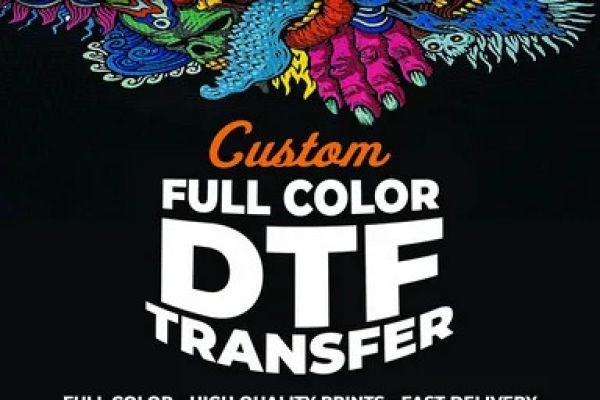
Custom apparel printing has become a thriving industry as businesses, creators, and hobbyists look for efficient ways to produce high-quality clothing designs. One of the most popular technologies used today is Direct-to-Film printing, commonly known as DTF printing. This method allows vibrant designs to be transferred onto garments using a special film and adhesive powder, resulting in durable and detailed prints.
For businesses and designers, ordering custom DTF prints can save time and simplify the production process. Instead of printing designs yourself, you can receive ready-to-press transfers that can be applied to garments using a heat press. However, before placing an order, it’s important to consider several factors to ensure you get the best results.
In this article, we’ll explore twelve important things you should consider before ordering custom DTF prints so that your projects turn out exactly as expected.
What Are DTF Prints?
Direct-to-Film printing is a process where a design is printed onto a special film using specialized inks. The printed design is then coated with adhesive powder and cured before being transferred to fabric using heat and pressure.
This method works on a wide range of fabrics, including cotton, polyester, blends, and even some synthetic materials. Because of its versatility and vibrant color results, DTF printing has become a preferred option for many custom apparel businesses.
1. Design Quality and Resolution
One of the most important factors when ordering DTF prints is the quality of your design file.
Low-resolution images can lead to blurry or pixelated prints, which affects the final appearance of the garment. Ideally, your design should be:
-
At least 300 DPI resolution
-
In a high-quality format such as PNG or PSD
-
Clear and sharp without distortion
Providing high-quality artwork ensures your print looks professional and vibrant.
2. Correct File Format
Most DTF printing services require specific file formats for the best results. Commonly accepted formats include PNG, PDF, AI, and PSD.
PNG files with transparent backgrounds are especially popular because they allow the design to transfer without unwanted background areas.
Always check the printing provider’s guidelines before submitting your design.
3. Proper Design Size
Before ordering, make sure your design is sized correctly for the garment you plan to decorate.
For example:
-
Left chest logos are usually around 3–4 inches wide
-
Standard t-shirt graphics are typically 10–12 inches wide
-
Sleeve designs may be smaller
Incorrect sizing can result in designs that look too small or too large on the garment.
4. Fabric Compatibility
DTF transfers are known for their ability to work on many fabric types, but it’s still important to consider the material you’ll be using.
Common compatible fabrics include:
-
Cotton
-
Polyester
-
Cotton-poly blends
-
Performance fabrics
Confirming compatibility ensures the transfer adheres properly and maintains durability.
5. Color Accuracy
Another important consideration is how colors will appear in the final print. Digital screens may display colors differently than printed materials.
To achieve accurate results:
-
Use RGB color mode when designing
-
Check color samples if possible
-
Avoid extremely bright neon shades that may not print accurately
This helps ensure your printed design matches your original concept.
6. Print Durability
Durability is a key factor when choosing a printing method. High-quality DTF transfers are designed to withstand regular washing and wear.
However, durability can depend on:
-
Quality of the inks used
-
Proper heat press application
-
Following recommended washing instructions
Choosing a reputable provider helps ensure long-lasting prints.
7. Order Quantity
Some printing providers offer discounts for bulk orders, while others specialize in small custom orders.
Before ordering, consider:
-
How many prints you need
-
Whether you may need additional prints later
-
Budget limitations
Planning your order size carefully can help reduce costs.
8. Turnaround Time
If you are producing garments for an event or business order, turnaround time becomes extremely important.
Check the provider’s estimated production and shipping times to ensure you receive the transfers when you need them.
Some companies offer rush services for urgent projects.
9. Heat Press Requirements
DTF transfers require specific heat press settings for proper application.
Typical settings include:
-
Temperature around 300–320°F
-
Medium pressure
-
Press time of about 10–15 seconds
Make sure you have the correct equipment and understand the recommended pressing instructions.
10. Transfer Sheet Layout
Many suppliers allow you to order gang sheets, where multiple designs are placed on one large sheet.
This option can be cost-effective if you have several smaller designs to print at once.
Planning your layout carefully can help maximize space and reduce printing costs.
11. Supplier Reputation
Not all printing services provide the same level of quality. Before ordering, research the provider’s reputation.
Look for:
-
Customer reviews
-
Sample images of previous work
-
Clear communication and guidelines
Working with a trusted supplier helps ensure consistent results.
12. Application and Care Instructions
Finally, understanding how to apply and care for DTF transfers is essential for maintaining print quality.
Proper garment care may include:
-
Washing garments inside out
-
Using cold or warm water
-
Avoiding high heat drying
Following these instructions helps extend the life of the printed design.
Conclusion
Custom DTF prints have become one of the most efficient and versatile solutions for creating high-quality custom apparel. They allow designers, small businesses, and hobbyists to produce vibrant and durable designs without needing specialized printing equipment.
However, ordering DTF prints requires careful planning to ensure the final results meet your expectations. By considering factors such as design quality, file format, fabric compatibility, and supplier reputation, you can avoid common mistakes and achieve professional results.
With the right preparation and attention to detail, DTF transfers can help bring your creative ideas to life and elevate your custom apparel projects.
FAQs
1. What are custom DTF prints used for?
They are used to create high-quality transfers that can be heat pressed onto garments like t-shirts, hoodies, bags, and other fabric items.
2. What file format is best for DTF printing?
PNG files with transparent backgrounds are commonly recommended for the best printing results.
3. Can DTF prints be applied to different fabrics?
Yes, DTF transfers work well on cotton, polyester, blends, and many other fabric types.
4. Do I need a heat press for DTF transfers?
Yes, a heat press is typically required to apply DTF transfers properly and ensure strong adhesion.
5. How long do DTF prints last on clothing?
When applied and cared for properly, DTF prints can last through many washes without cracking or fading.






