
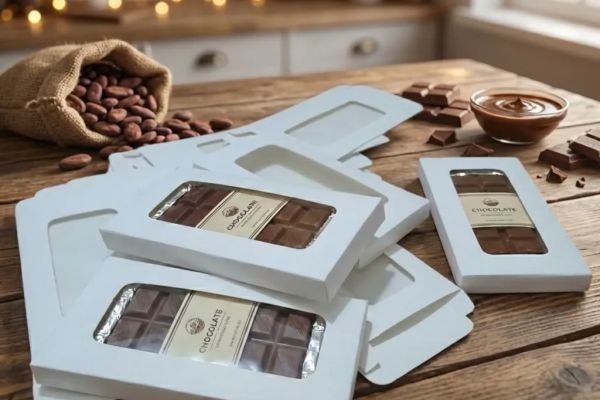
In the premium chocolate market, good chocolate alone is usually not enough anymore. Most high-end brands already use quality ingredients, attractive flavors, and elegant branding. So when customers are deciding between one luxury chocolate box and another, the packaging often becomes the thing that shapes the final decision.
That might sound surprising at first, but it makes sense when you think about how people buy premium chocolate. A large percentage of purchases are gifts. Customers are not only buying taste — they are buying presentation, emotion, and experience.
Over the last few years, several chocolate brands in the US have used packaging as a major competitive advantage. Instead of treating the box as a simple container, they turned it into part of the product itself. The result is stronger shelf appeal, better customer perception, and in many cases, the ability to charge significantly higher prices.
Here are five packaging strategies that continue to separate premium chocolate brands from the rest of the market.
1. The Gifting Experience Became Part of the Product
One of the biggest changes in premium chocolate packaging is the shift toward “gift-first” presentation.
Years ago, many chocolate products came in lightweight folding cartons or plastic trays. They protected the product, but they did not feel particularly memorable. Premium brands realized that customers buying gifts wanted something that looked thoughtful before the box was even opened.
This is where rigid packaging changed the game.
Magnetic closure boxes, foil-stamped logos, ribbon pulls, and textured finishes created an experience that felt much closer to luxury cosmetics or jewelry packaging. When someone receives a chocolate box that feels heavy, structured, and elegant, the perceived value instantly increases.
Interestingly, customers often judge the quality of the chocolate based on the packaging before tasting it. That emotional reaction matters more than many brands expect.
Some premium chocolate companies have successfully charged 30 to 50 percent more than competitors selling similar quantities of chocolate simply because the packaging feels more luxurious and gift-ready.
2. Strong Packaging Creates Shelf Presence
Retail shelves are crowded. In specialty stores especially, dozens of chocolate brands compete for attention in a very small amount of space.
Rigid boxes naturally stand out because they look and feel different from standard folding cartons. They hold their shape better, resist creasing, and create a cleaner presentation overall.
But structure alone is not enough. The strongest brands combine rigid packaging with smart finishing details that catch attention without looking excessive.
Some common techniques include:
- Spot UV elements that reflect light
- Debossed logos for texture
- Matte soft-touch finishes
- Metallic foil details
- Minimal but bold typography
These small details help products feel more premium while also making them easier to notice on crowded shelves.
A customer may only spend a few seconds scanning products in a retail environment. Packaging needs to create an impression quickly, and premium chocolate brands understand that very well.
3. Unboxing Became Part of Marketing
E-commerce changed packaging expectations in a major way.
When customers shop online, they do not interact with the product physically until it arrives at their door. That means the packaging becomes the first real brand experience.
Brands that switched from standard shipping cartons to premium rigid chocolate boxes often noticed something interesting: customers started talking about the packaging online.
People shared unboxing videos, posted photos on social media, and mentioned presentation quality in product reviews. The box itself became part of the conversation.
This matters because customer-generated content creates trust. A beautiful unboxing experience can encourage repeat purchases and help a brand feel more established without traditional advertising.
Rigid boxes also improve product protection during shipping. Chocolate is sensitive to movement, pressure, and temperature changes. A sturdier structure helps products arrive in better condition, which reduces customer complaints and damaged orders.
4. Sustainability Now Influences Buying Decisions
Premium buyers today care about more than appearance. Many also pay attention to sustainability and environmental responsibility.
In 2026, customers increasingly expect luxury packaging to be recyclable, responsibly sourced, and produced with lower environmental impact. Brands that ignore this shift risk appearing outdated.
This has pushed many chocolate companies toward packaging materials such as:
- FSC-certified paperboard
- Soy-based inks
- Recyclable rigid boxes
- Plastic-free inserts
- Minimal secondary packaging
The challenge is that sustainable packaging still needs to look premium. Customers do not want eco-friendly packaging that feels weak or cheaply made.
That balance is where modern packaging suppliers have improved significantly. Companies like New York Packaging Hub now offer rigid chocolate boxes made with FSC-certified boards and soy-based inks while still maintaining a luxury appearance.
This allows brands to support sustainability goals without sacrificing visual quality or customer experience.
5. Packaging Helps Smaller Brands Compete
One interesting trend in the chocolate industry is how packaging allows smaller brands to compete against much larger companies.
A smaller chocolatier may not have the same advertising budget or retail reach as a major national brand. However, premium packaging can instantly make the product feel more established and higher-end.
Customers often associate good packaging with professionalism and product quality. Even before tasting the chocolate, they form opinions based on the presentation.
Because of this, investing in better packaging is no longer limited to huge luxury brands. Improved manufacturing access and lower minimum order quantities have made premium rigid boxes more affordable for smaller businesses as well.
Some suppliers now offer custom rigid chocolate boxes starting at relatively accessible price points, which has helped independent confectionery brands compete in ways that were difficult a decade ago.
Final Thoughts
In premium chocolate, packaging is no longer just a protective layer around the product. It influences how customers perceive quality, whether they choose a product on the shelf, and even whether they share the experience online afterward.
The brands that understand this tend to build stronger emotional connections with buyers. They create packaging that feels intentional, memorable, and aligned with the experience customers expect from premium products.
As competition in the chocolate market continues growing, packaging will likely become even more important — not just for appearance, but for storytelling, sustainability, and overall customer experience.






