
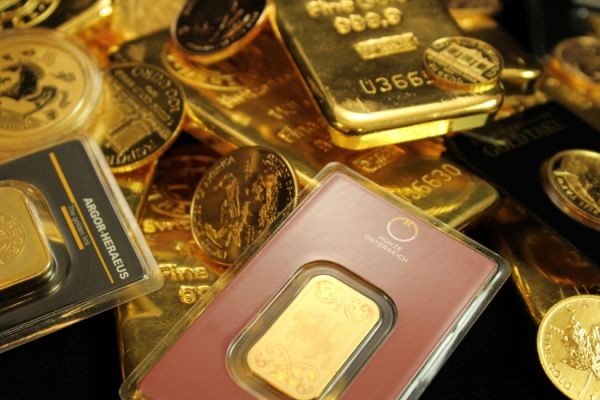
The allure of gold has remained steadfast for millennia. Whether it was the pharaohs of Egypt or the central banks of the modern era, gold represents the ultimate store of value. As we navigate the financial complexities of 2026, the precious metals market has taken center stage once again. With global shifts in currency power, fluctuating interest rates, and a rapidly changing geopolitical landscape, beginners are often left wondering: Is now the right time to buy?
In the world of wealth management, you will encounter a lot of noise. From social media influencers to casual finance gossips, everyone seems to have an opinion on where the market is headed. However, successful investing requires moving past the chatter and focusing on data-driven insights. This guide is designed to help you decode the complexities of gold market forecasts and build a resilient investment strategy for 2026.
Why Gold Matters in 2026
In 2026, the global economy is at a crossroads. We are seeing a "de-dollarization" trend where several nations are diversifying their reserves away from the U.S. dollar. When confidence in fiat currency wavers, gold thrives. For a beginner, gold isn't just a shiny metal; it is an insurance policy against systemic failure and inflation.
Unlike stocks, which represent a share in a company, or bonds, which are a form of debt, gold is a tangible asset with no counterparty risk. If a company goes bankrupt, its stock goes to zero. Gold, however, can never go to zero. This inherent value makes it the cornerstone of a balanced portfolio in 2026.
Decoding the Institutional Gold Price Forecast
One of the most important tools for any investor is understanding what the "big players" are thinking. While retail investors often react to news, institutional investors—such as investment banks, hedge funds, and central banks—set the tone for the market.
When you look at a reputable Institutional gold price forecast, you aren't just looking at a price target; you are looking at an analysis of macroeconomic drivers. In 2026, institutions are focusing on three main factors:
-
Real Interest Rates: Historically, gold has an inverse relationship with interest rates. When rates are high, investors prefer bonds. However, if inflation outpaces interest rates (resulting in negative real rates), gold becomes the preferred asset.
-
Central Bank Demand: In recent years, central banks have been buying gold at record levels. Monitoring their purchase patterns is a key indicator of where the price floor sits.
-
Geopolitical Stability: Gold is the ultimate "safe haven." In 2026, with shifting alliances and regional conflicts, the demand for safety has never been higher.
By aligning your strategy with institutional data rather than speculative rumors, you position yourself to ride the long-term trends rather than getting caught in short-term volatility.
Investment Strategies for Beginners
Starting your gold journey in 2026 doesn't require a fortune. Here are the most effective strategies for those just entering the market:
1. Physical Gold (The "Hold It" Strategy)
The most traditional way to invest is by purchasing physical bars or coins (bullion).
-
Pros: Total control, no digital risk, and a tangible hedge.
-
Cons: You must consider storage and insurance costs.
-
Strategy: Buy small amounts of minted coins (like the Gold Eagle or Maple Leaf) regularly to build your "private reserve."
2. Gold ETFs (The "Liquidity" Strategy)
Gold Exchange-Traded Funds (ETFs) allow you to buy shares that track the price of gold without owning the physical metal.
-
Pros: Highly liquid (you can sell them instantly like a stock) and no storage issues.
-
Cons: You don't actually own the gold; you own a paper representation.
-
Strategy: Use ETFs for short-term price movements or for your retirement account where holding physical gold might be difficult.
3. Gold Mining Stocks (The "Growth" Strategy)
Instead of buying the metal, you buy shares in companies that mine it.
-
Pros: If gold prices rise, mining stocks often rise at a higher percentage (leverage).
-
Cons: You are exposed to management risks, environmental regulations, and operational costs.
-
Strategy: Only allocate a small portion of your gold portfolio here, focusing on "Senior Miners" with strong balance sheets.
4. Dollar-Cost Averaging (DCA)
This is the best strategy for beginners. Instead of trying to "time the market" based on the latest finance gossips, you invest a fixed amount of money every month. If the price is high, you buy less; if the price is low, you buy more. Over time, your average cost per ounce stabilizes, reducing the risk of a poorly timed entry.
Risk Management: Don’t Put All Your Eggs in One Basket
While gold is a fantastic asset, it should not be your only asset. Most financial advisors in 2026 suggest a gold allocation of 5% to 15% of your total portfolio. This provides a "cushion" during market crashes without sacrificing the growth potential offered by the stock market or emerging technologies.
Conclusion
As we move through 2026, the gold market continues to offer a blend of security and opportunity. By following the Institutional gold price forecast and ignoring the noise of speculative finance gossips, you can make informed decisions that protect your wealth for years to come. Remember, gold is a marathon, not a sprint. Start small, stay consistent, and focus on the long-term fundamentals of the global economy.
Frequently Asked Questions (FAQ)
1. Is 2026 a good year to start investing in gold?
Yes. With many analysts predicting continued currency volatility and geopolitical shifts, 2026 is considered a strategic time to add "safe-haven" assets like gold to a diversified portfolio.
2. How much gold should a beginner own?
Most experts recommend that gold should make up between 5% and 10% of your overall investment portfolio. This provides protection without limiting your exposure to other growth assets.
3. What is the difference between "Spot Price" and "Premium"?
The spot price is the current market price for an ounce of raw gold. The premium is the additional cost added by dealers for refining, minting, and profit. Beginners should look for low-premium bullion coins.
4. Are gold ETFs as safe as physical gold?
ETFs are convenient and liquid, but they carry "counterparty risk." If you want gold for ultimate disaster protection, physical bullion is safer. For trading and convenience, ETFs are excellent.
5. How do I store physical gold safely?
You have three main options: a high-quality home safe, a bank safety deposit box, or a professional private vaulting service. Each has different costs and security levels.
6. Does gold pay dividends?
No, gold is a non-yielding asset. It does not pay dividends or interest. Its value comes solely from price appreciation and its role as a hedge against inflation.
7. Why do institutional forecasts matter?
Institutions control the largest pools of capital. When an Institutional gold price forecast suggests a bullish trend, it often leads to large-scale buying that can drive prices higher, making it a vital indicator for retail investors.
8. Can I buy gold with my retirement account?
Yes, in many regions, you can set up a "Gold IRA" or a self-directed retirement account that allows you to hold physical bullion or gold-backed securities.
9. Is gold better than Bitcoin in 2026?
This is a common debate. Gold is a time-tested asset with 5,000 years of history, while Bitcoin is a "digital gold" with high volatility. Many investors in 2026 choose to hold both to cover different types of risk.
10. How often should I check the price of gold?
If you are a long-term investor, checking the price daily can lead to emotional decisions based on finance gossips. Checking once a month or once a quarter is usually sufficient for most strategies.






