

Electrical safety is a top priority in homes, commercial buildings, and industrial setups. Circuit protection devices like MCCB (Molded Case Circuit Breaker) and MCB (Miniature Circuit Breaker) are essential for safeguarding electrical systems from overloads, short circuits, and faults. Understanding the differences between these devices, their applications, and proper installation practices is crucial to maintaining a safe and efficient power distribution system.
This guide provides a comprehensive overview of MCCB and MCB, including their features, applications, selection criteria, and maintenance tips for long-lasting and secure electrical systems.
Understanding MCCB and MCB
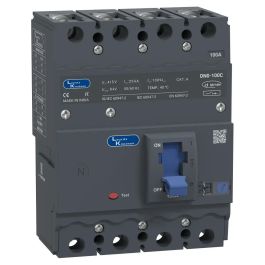
MCCB (Molded Case Circuit Breaker)
An MCCB is a type of circuit protection device designed for medium to high-capacity electrical systems. It protects circuits from overload and short circuits while allowing manual or automatic operation to isolate electrical faults. MCCBs are commonly used in industrial plants, commercial buildings, and large residential complexes where high current capacity and advanced protection features are required.
Key characteristics of MCCBs include:
- Rated current capacity typically ranges from 100A to 2500A
- Adjustable trip settings for overload protection
- Ability to handle high short-circuit currents
- Robust design for industrial and heavy-duty applications
MCB (Miniature Circuit Breaker)
An MCB is a smaller version of a circuit breaker designed for low-capacity electrical systems. It provides overcurrent protection for individual circuits, such as lighting, fans, and power outlets in homes and small commercial spaces. Unlike fuses, which need replacement after a fault, MCBs can be reset manually after tripping.
Key characteristics of MCBs include:
- Rated current capacity is usually between 6A and 100A
- Instantaneous and thermal trip mechanisms
- Compact design for residential and small-scale commercial use
- Easy reset feature after a fault
Applications of MCCB and MCB
MCCB Applications
MCCBs are suitable for high-capacity and heavy-duty electrical systems:
- Industrial machinery and production lines
- Large commercial buildings and offices
- Electrical panels supplying multiple high-power circuits
- Backup generators and power distribution systems
- Renewable energy installations like solar and wind farms
MCB Applications
MCBs are widely used in residential and small-scale commercial applications:
- Individual home circuits, such as lighting and sockets
- Small offices and shops with moderate electrical loads
- Appliance protection, including air conditioners, refrigerators, and water heaters
- Circuit protection for sub-panels in multi-story buildings
Choosing the right type of breaker for the application ensures optimal protection, reduces the risk of fire, and enhances the lifespan of electrical appliances.
Selecting the Right MCCB and MCB
Choosing the appropriate MCCB or MCB requires consideration of several factors:
- Load Current Rating
Determine the total load of the circuit to select a breaker with the correct current rating. Underrated breakers may trip frequently, while overrated breakers may fail to protect the circuit effectively.
- Short-Circuit Breaking Capacity
Check the maximum short-circuit current the breaker can handle. Industrial setups often require MCCBs with high short-circuit breaking capacity, whereas MCBs suffice for residential circuits.
- Type of Trip Mechanism
- Thermal Trip: Protects against prolonged overloads
- Magnetic Trip: Reacts to sudden short circuits
- Electronic Trip (for MCCB): Provides precise and adjustable protection
Select a mechanism based on the type of load and sensitivity required.
- Number of Poles
- Single-pole: Protects one line and neutral in single-phase circuits
- Double-pole: For single-phase circuits requiring both live and neutral protection
- Triple-pole or four-pole: Used in three-phase industrial systems
Choose the correct configuration to match your system.
- Brand and Quality
Always select breakers from reputable manufacturers to ensure compliance with safety standards. Quality breakers reduce maintenance issues and provide reliable protection.

Installation Tips for MCCB and MCB
Proper installation is crucial for the effectiveness of MCCB and MCB devices:
- Turn off the Main Power Supply – Ensure safety before installation.
- Select Correct Panel – Use appropriate distribution boards or switchboards.
- Proper Wiring – Use wires with a suitable gauge and rating. Loose connections can cause overheating.
- Correct Mounting – Securely fix breakers to avoid mechanical damage.
- Test After Installation – Verify all circuits are protected, and breakers function properly.
- Professional Assistance – For industrial MCCB installation, consult certified electricians.
Maintenance Tips for MCCB and MCB
Regular maintenance ensures the reliability and longevity of breakers:
- Inspect for dust, corrosion, or loose connections
- Test the tripping mechanism periodically
- Replace breakers showing signs of wear or damage
- Avoid tampering with internal components
- Ensure breakers are compatible with circuit modifications or load expansions
Routine maintenance prevents electrical faults, reduces downtime, and ensures system safety.
Common Mistakes to Avoid
- Using MCBs in high-current industrial circuits
- Installing MCCBs with insufficient short-circuit capacity
- Ignoring proper wiring and polarity connections
- Skipping periodic testing and maintenance
- Mixing brands or models in the same distribution panel
Avoiding these mistakes is essential for safe and efficient electrical systems.
Benefits of Proper MCCB and MCB Installation
Proper selection and installation of MCCB and MCB devices offer multiple advantages:
- Prevents electrical fires and equipment damage
- Enhances safety for residents and workers
- Ensures reliable operation of electrical systems
- Reduces energy losses due to electrical faults
- Extends the lifespan of appliances and industrial machinery
Investing in high-quality circuit breakers and following installation best practices pays off in safety and efficiency.
Conclusion
MCCB and MCB devices are essential for modern electrical systems, protecting against overloads, short circuits, and faults. Understanding their differences, applications, and proper installation techniques ensures a safe, efficient, and long-lasting electrical setup. Choosing high-quality devices, correctly rated for your system, and maintaining them regularly enhances reliability and prevents hazards.
For trusted solutions, expert guidance, and high-quality circuit protection devices, Lauritz Knudsen Electrical and Automation remains a reliable partner, offering MCCB and MCB products designed for safety, performance, and long-term efficiency in homes, commercial buildings, and industrial setups.






