
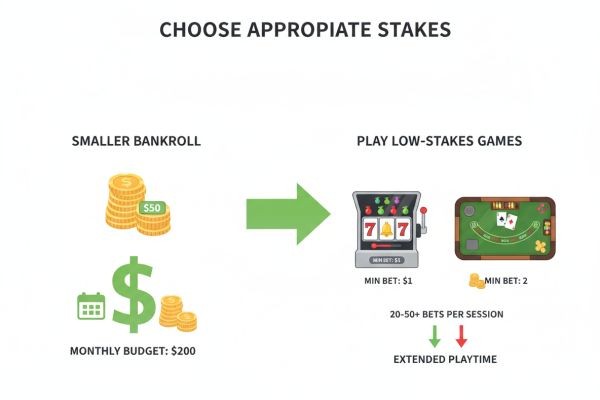
Entering the world of online gaming can be exciting, but it also requires a responsible approach to personal finances. For beginners, the most important skill to learn is not how to play a specific game, but how to manage money. Bankroll management is the practice of setting aside a specific amount of money for gaming and sticking to it. This practice ensures that gaming remains a fun, recreational activity rather than a source of financial stress. Without a clear plan, it is easy to lose track of spending, especially in fast-paced digital environments. By establishing clear rules before starting, players can enjoy their sessions with peace of mind. This guide covers the fundamental steps of budgeting and risk management for new players.
Setting a Dedicated Gaming Budget
The first step in bankroll management is defining how much money you can afford to lose. This money should come from your discretionary income, after all essential expenses like rent, bills, and savings are covered. Think of this budget as the cost of entertainment, similar to buying a ticket to a concert or movie. Once this budget is set, it must be kept separate from your everyday funds. Many experienced players open a dedicated bank account or e-wallet specifically for their gaming transactions. This separation makes it easy to track deposits and prevents accidental spending of essential money. Sticking to this budget is the foundation of responsible play, and it should never be exceeded under any circumstances.
Calculating Safe Stake Levels
Once you have a total bankroll, you need to divide it into smaller session budgets. A common rule of thumb is to never risk more than ten percent of your total bankroll in a single session. For example, if your monthly bankroll is one hundred dollars, your session budget should be ten dollars. Within that session, you must also determine your individual bet size. To ensure your session lasts, your bet size should be a small fraction of your session budget, typically one or two percent. This approach allows you to withstand a series of losses without running out of funds immediately. It also gives you more opportunities to experience the game's features and entertainment value, which is the primary goal of gaming.
The Importance of Sticking to Your Limits
One of the biggest mistakes beginners make is trying to win back lost money by increasing their bet sizes. This behavior is known as chasing losses, and it almost always leads to further financial depletion. When you hit your session limit, the best course of action is to stop playing. Accepting that losses are a normal part of gaming helps maintain emotional control. Using the tools provided by a reliable online platform can help enforce these limits. Features like deposit limits, session timers, and reality checks are designed to help you stay within your boundaries. Utilizing these tools proactively is a sign of smart, disciplined play.
Monitoring Your Financial Progress
Regularly reviewing your gaming activity is a good habit to develop. Keep a simple log of your deposits, withdrawals, and session lengths to monitor your complete trends. If you find that your bankroll is depleting faster than expected, consider reducing your bet sizes or playing less frequently. Conversely, if you win, resist the temptation to immediately increase your stakes. Decide beforehand what percentage of winnings you will withdraw and what percentage will remain in your bankroll. By treating your bankroll with discipline, you ensure that gaming remains a sustainable and enjoyable hobby over the long term.






