
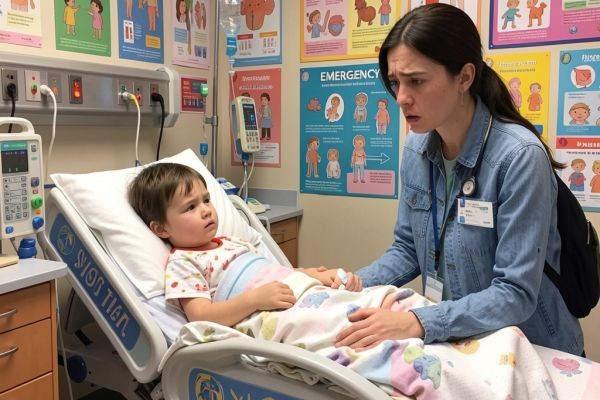
When a serious injury occurs, the speed and quality of medical care can determine outcomes within minutes. Pearland, Texas, a rapidly growing city within the Houston metropolitan area, has seen increasing demand for high-level emergency services due to population growth, traffic density, and industrial development. Trauma care facilities in this region are designed to respond quickly to life-threatening injuries with advanced technology, skilled professionals, and coordinated systems of care.
This guide explains how trauma services operate in Pearland, what patients can expect during emergencies, and why timely intervention plays a critical role in saving lives.
Understanding Trauma Care and Its Importance
Trauma care refers to the specialized medical attention provided to patients suffering from severe physical injuries. These injuries may result from car accidents, falls, workplace incidents, sports injuries, or violent events. Unlike general medical care, trauma services require immediate intervention, often involving surgical procedures and intensive monitoring.
According to the Centers for Disease Control and Prevention (CDC), unintentional injuries are a leading cause of death in the United States, particularly among individuals under the age of 45. In Texas alone, thousands of trauma-related cases are reported each year, highlighting the importance of accessible emergency services in cities like Pearland.
Levels of Trauma Centers and What They Mean
Trauma centers across the United States are categorized into levels based on their capabilities and resources. These levels help determine the type of care a patient will receive.
Level I centers provide comprehensive care, including 24/7 access to trauma surgeons, specialized equipment, and research programs. These facilities handle the most complex cases.
Level II centers offer similar services but may not have the same research or teaching capabilities. They are fully equipped to manage severe injuries.
Level III centers focus on rapid assessment, stabilization, and transfer to higher-level facilities if needed.
Level IV and V centers provide initial evaluation and stabilization, especially in rural or underserved areas.
Pearland residents often rely on nearby advanced emergency facilities and the broader Texas Medical Center network in Houston for higher-level trauma services when necessary.
Common Causes of Traumatic Injuries in Pearland
Pearland’s location near major highways and urban developments contributes to several common causes of trauma. Motor vehicle accidents remain one of the leading sources of severe injuries, particularly on busy roads connecting to Houston.
Falls are another significant cause, especially among older adults. The National Council on Aging reports that one in four Americans aged 65 and older experiences a fall each year.
Workplace injuries, particularly in construction and industrial sectors, also contribute to trauma cases. Additionally, sports-related injuries and recreational accidents are common among younger populations.
Understanding these risks helps individuals take preventive measures and respond appropriately during emergencies.
How Emergency Response Systems Work
Emergency medical services (EMS) play a vital role in trauma care. In Pearland, EMS teams are trained to provide immediate on-site care and transport patients to the nearest appropriate facility.
When a 911 call is made, dispatchers assess the situation and send paramedics equipped with life-saving tools. These professionals perform critical interventions such as airway management, bleeding control, and stabilization before reaching the hospital.
Communication between EMS and hospital staff ensures that trauma teams are prepared before the patient arrives, reducing delays in treatment.
What Happens Inside a Trauma Emergency Room
Upon arrival at an emergency facility, patients undergo triage, where medical staff evaluate the severity of injuries. Those in critical condition are immediately taken to specialized trauma bays.
The treatment process follows the Advanced Trauma Life Support (ATLS) protocol, which prioritizes airway, breathing, circulation, disability, and exposure. This structured approach ensures that life-threatening issues are addressed first.
Diagnostic tools such as CT scans, X-rays, and ultrasound are used to identify internal injuries. If surgery is required, operating rooms are prepared without delay. Trauma teams work simultaneously to stabilize the patient and prevent complications.
The Role of Specialized Medical Teams
Trauma care involves a multidisciplinary team of professionals working together to provide comprehensive treatment.
Emergency physicians lead the initial assessment and coordinate care.
Trauma surgeons perform critical operations to repair injuries.
Nurses trained in emergency and trauma care monitor patients and assist with procedures.
Radiologists interpret imaging results to guide treatment decisions.
Anesthesiologists manage pain and sedation during surgeries.
This collaborative approach ensures that patients receive timely and effective care from arrival through recovery.
Accessing Immediate Care in Pearland
In emergency situations, quick access to medical facilities is crucial. Residents often search for nearby services during urgent situations, including options like trauma care Pearland TX, to find the closest available help.
Facilities such as those associated with sler247.com focus on delivering rapid and efficient emergency services tailored to community needs. Their approach emphasizes reduced wait times, modern equipment, and patient-centered care, ensuring that individuals receive immediate attention during critical moments.
Key Features of Modern Emergency Facilities
Advanced emergency centers in Pearland are equipped with state-of-the-art technology designed to handle complex trauma cases.
Dedicated trauma rooms allow for immediate treatment upon arrival.
On-site imaging systems provide rapid diagnostics.
Operating rooms are available for emergency surgeries.
Blood banks ensure quick access to transfusions.
Intensive care units support recovery after critical procedures.
These features enable healthcare providers to deliver high-quality care under pressure.
Statistics That Highlight the Need for Trauma Services
Trauma remains a major public health concern in the United States. Data from the CDC and other health organizations reveal important insights:
Over 200,000 deaths annually are attributed to injuries.
Motor vehicle accidents account for a significant percentage of trauma-related fatalities.
Falls are the leading cause of injury among older adults.
Traumatic brain injuries contribute to long-term disability and death.
In Texas, trauma systems are continually evolving to meet growing demands, particularly in urban and suburban areas like Pearland.
When to Seek Emergency Trauma Care
Recognizing the signs of a serious injury can help individuals act quickly and seek appropriate care. Immediate medical attention is necessary if any of the following symptoms are present:
Loss of consciousness or confusion
Severe bleeding that does not stop
Difficulty breathing or chest pain
Severe burns or electrical injuries
Multiple fractures or visible deformities
Signs of stroke, such as sudden weakness or speech difficulty
Delaying treatment in these situations can lead to complications or worsen the condition.
The Importance of the Golden Hour
The first hour after a traumatic injury, often referred to as the golden hour, is critical for survival. During this time, prompt medical intervention significantly increases the chances of recovery.
Studies show that patients who receive care within this window have better outcomes, reduced complications, and shorter recovery times. This emphasizes the importance of quick decision-making and access to nearby emergency services.
Recovery and Rehabilitation After Trauma
Trauma care does not end in the emergency room. Recovery often involves a combination of medical treatment, physical therapy, and rehabilitation.
Patients may require ongoing care to regain mobility, strength, and independence. Rehabilitation programs are tailored to individual needs, focusing on both physical and emotional recovery.
Support from healthcare providers, family members, and community resources plays a crucial role in the healing process.
Innovations in Trauma Medicine
Advancements in medical technology continue to improve the effectiveness of trauma care. Modern facilities are adopting new tools and techniques to enhance patient outcomes.
Point-of-care ultrasound allows for rapid bedside diagnostics.
Telemedicine connects specialists with remote locations for faster decision-making.
Robotic-assisted surgeries improve precision and reduce recovery times.
Artificial intelligence is being used to predict patient outcomes and optimize treatment plans.
These innovations are transforming how trauma care is delivered, making it more efficient and accessible.
Preparing for Emergencies in Everyday Life
While accidents cannot always be prevented, being prepared can make a significant difference. Individuals and families should take proactive steps to handle emergencies effectively.
Know the locations of nearby emergency facilities.
Keep emergency contact numbers readily available.
Learn basic first aid and CPR.
Ensure that family members understand emergency procedures.
Preparation reduces panic and helps individuals respond quickly during critical situations.
Why Quality Emergency Care Matters
Choosing the right emergency facility can have a significant impact on patient outcomes. Facilities with experienced staff, advanced equipment, and efficient processes are better equipped to handle complex trauma cases.
In Pearland, access to reliable emergency services ensures that residents receive timely and effective care when it matters most. The combination of skilled professionals, modern technology, and coordinated systems creates a strong foundation for managing life-threatening injuries.
Final Thoughts
Trauma care plays a vital role in protecting the health and safety of individuals in Pearland and surrounding areas. With increasing population and activity levels, the demand for high-quality emergency services continues to grow.
Understanding how trauma systems work, recognizing when to seek help, and being prepared for emergencies can make a life-saving difference. From rapid response to advanced treatment and recovery support, trauma care services are essential in ensuring better outcomes for patients facing critical injuries.






