
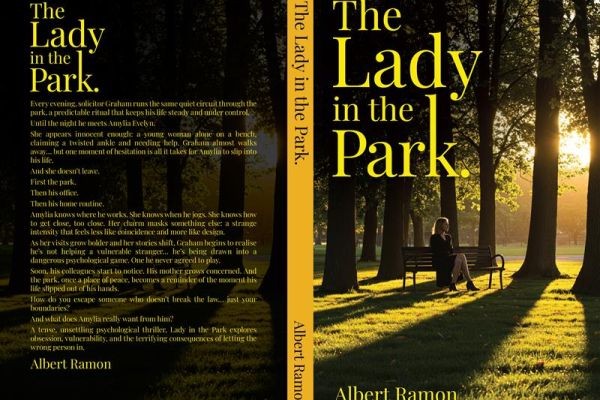
Albert Ramon is known for his distinctive approach to psychological storytelling, where narrative meaning is constructed through perception, symbolism, and emotional interpretation rather than traditional plot-driven structure. His work, especially The Lady in the Park, reflects a literary style that emphasizes ambiguity, silence, and layered meaning over clear resolution. Instead of presenting direct answers or clearly defined conclusions, he builds narratives that invite readers to interpret and reflect deeply. The story unfolds through observation, internal thought, and subtle emotional cues rather than external action or dialogue. The park becomes a symbolic space where memory, imagination, and perception intersect in complex ways. Through this method, Albert Ramon creates fiction that is introspective, interpretive, and psychologically engaging. His writing highlights how meaning is shaped through perception rather than certainty or fixed reality.
Psychological Foundations of Albert Ramon’s Writing
Inner Thought as Narrative Driver
Albert Ramon structures The Lady in the Park around internal thought processes rather than external events or action-based storytelling. The narrative progresses through reflection, observation, and psychological interpretation, making the reader focus on how meaning is formed internally. Characters experience their surroundings through perception rather than direct interaction, which shifts the emphasis from action to interpretation. This approach creates a deeply introspective narrative where thought becomes the primary mechanism of storytelling. The focus remains on how situations are understood rather than what physically occurs. This allows for layered meaning that develops gradually over time. It strengthens both emotional engagement and intellectual depth within the story.
Narrative Ambiguity as Intentional Design
A defining feature of Albert Ramon’s writing style in The Lady in the Park is intentional narrative ambiguity, which plays a central role in shaping reader experience. He deliberately avoids providing clear answers or fixed meanings, allowing the narrative to remain open and flexible. This ambiguity is carefully constructed rather than accidental, serving as a tool to encourage active interpretation. Readers are invited to explore multiple perspectives and possibilities within the same story. This openness allows different meanings to coexist without conflict. It also ensures that the story can be revisited with new interpretations each time. This design enhances both complexity and engagement.
Emotional Subtext as Communication
In The Lady in the Park, emotional communication is primarily conveyed through subtext rather than direct statements or explicit expression. Albert Ramon uses tone, silence, and subtle contextual cues to suggest emotional meaning without clearly defining it. This forces readers to interpret feelings based on observation rather than instruction. Emotional depth emerges gradually as readers engage with the narrative. This method reflects real-life emotional experience, where feelings are often implied rather than spoken. It creates a more authentic and immersive emotional connection. Subtext becomes the primary language of emotion within the story.
The Lady in the Park as Literary Structure
The Park as Cognitive Landscape
In The Lady in the Park, Albert Ramon transforms the park into a cognitive and psychological landscape rather than a simple physical setting. The environment reflects internal thought processes, emotional states, and shifting perception. Elements such as trees, pathways, and stillness become symbolic representations of mental exploration and introspection. The park interacts with the narrator’s perception, shaping how meaning is constructed. This creates a dynamic relationship between environment and thought. The setting evolves based on interpretation rather than remaining fixed. It enhances the depth and flexibility of the narrative structure.
The Woman as Interpretive Presence
The woman in The Lady in the Park functions as an interpretive presence rather than a clearly defined character with a fixed role or identity. Albert Ramon intentionally leaves her undefined to allow multiple symbolic meanings to emerge. She may represent memory, imagination, emotional projection, or psychological absence depending on interpretation. Her presence shifts throughout the narrative, reflecting the fluid nature of perception. This ambiguity makes her central to the story’s interpretive depth. Each reader may perceive her differently based on perspective. She becomes a reflection of how meaning itself is constructed.
Silence as Structural Language
Silence in The Lady in the Park operates as a structural language that shapes narrative meaning and emotional tone throughout the story. Albert Ramon uses silence not as emptiness but as a space filled with interpretive potential and psychological depth. It replaces direct communication with suggestion and implication, allowing meaning to emerge indirectly. Silence increases emotional tension while also encouraging reflection. It creates space for readers to engage with the narrative on a deeper level. This transforms absence into expression. Silence becomes a key element of storytelling structure.
Literary Construction and Narrative Method
Controlled Narrative Progression
Albert Ramon designs The Lady in the Park with controlled narrative progression that unfolds gradually through observation rather than dramatic events or sudden developments. The story avoids traditional plot structure, focusing instead on steady accumulation of meaning through detail and perception. This pacing encourages readers to slow down and engage thoughtfully with the narrative. Meaning is revealed over time rather than immediately presented. This creates a reflective reading experience. The structure supports psychological immersion and interpretive depth. It enhances narrative subtlety and cohesion.
Integration of Perception and Environment
In The Lady in the Park, Albert Ramon integrates perception and environment into a unified narrative system where both elements influence each other continuously. The park reflects internal psychological states, making physical space a representation of thought and emotion. This blending creates a layered storytelling experience. The environment is not independent but shaped by interpretation. It evolves alongside the narrator’s perception. This strengthens thematic consistency across the narrative. It also deepens symbolic meaning.
Minimalist Literary Approach
Albert Ramon uses a minimalist literary approach in The Lady in the Park, focusing on implication and restraint rather than detailed exposition or explanation. Narrative elements are presented with simplicity, allowing readers to interpret meaning independently. This increases ambiguity while also enhancing symbolic richness. Every detail carries potential significance depending on context. The absence of excessive description strengthens psychological engagement. It allows the narrative to remain open and flexible. This approach supports interpretive storytelling effectively.
Themes and Interpretive Depth
Reality as Perception-Based Experience
A major theme in The Lady in the Park is that reality is shaped by perception rather than objective truth. Albert Ramon presents reality as fluid and constantly reconstructed through thought, memory, and emotional interpretation. The narrator’s understanding of events shifts depending on internal perspective. This creates uncertainty between what is real and what is perceived. Readers must actively interpret meaning throughout the narrative. This reflects psychological realism and cognitive complexity. It emphasizes that truth is subjective rather than fixed.
Emotional Meaning Through Interpretation
Emotional meaning in The Lady in the Park is developed through interpretation rather than direct emotional explanation or clear expression. Albert Ramon uses subtle narrative cues, silence, and implication to convey feeling indirectly. Emotion emerges as readers engage with the story and construct meaning themselves. This creates a more personal and immersive experience. Emotional depth is layered and evolving rather than immediate. This approach strengthens both engagement and realism. It highlights the importance of interpretation in emotional understanding.
Open Narrative Framework
Albert Ramon structures The Lady in the Park as an open narrative framework where meaning is not fixed or predetermined. Readers are encouraged to form their own interpretations based on perspective and reflection. There is no single correct understanding of the story. Meaning evolves with engagement and repeated reading. This openness creates intellectual involvement and long-term reflection. The narrative remains active even after reading is complete. It continues through thought and interpretation.
FAQs
What makes Albert Ramon’s storytelling unique?
His focus on perception, symbolism, and interpretive narrative depth.
Why does The Lady in the Park avoid clear explanations?
To encourage reader interpretation and engagement.
How is silence used in the story?
As a structural element that conveys emotional meaning.
What does the park symbolize in the narrative?
A psychological space reflecting thought and perception.
Why is the narrative considered minimalist?
Because it uses subtle detail instead of extensive explanation.
How does interpretation affect the reading experience?
It allows multiple meanings to exist within the same story.
Literary Suggestions
- Study psychological storytelling in The Lady in the Park.
- Analyze symbolic narrative elements deeply.
- Observe silence as narrative communication.
- Reflect on perception shaping reality.
- Engage with multiple interpretations of meaning.
Conclusion
Albert Ramon presents a refined and psychologically driven literary style in The Lady in the Park, where meaning is created through perception, symbolism, and interpretive engagement rather than direct explanation. His storytelling emphasizes ambiguity, emotional depth, and subtle narrative construction. The park becomes a symbolic environment shaped by thought and memory. The woman remains an interpretive presence rather than a fixed character. Readers are encouraged to actively participate in meaning-making throughout the narrative. This creates a deeply engaging and reflective reading experience. Its open-ended structure ensures ongoing interpretation beyond the text. The story continues to evolve through perception, reflection, and thoughtful analysis.






