
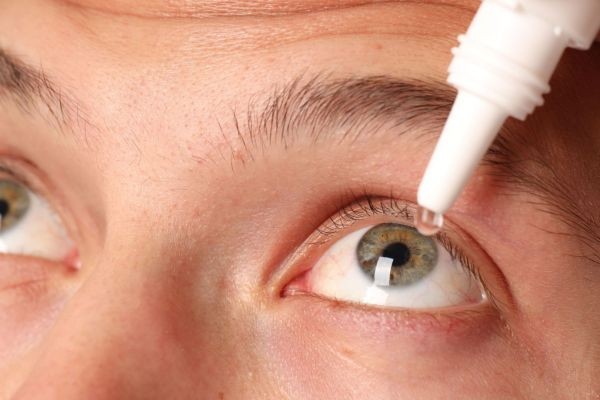
Allergy Relieving Eye Drops Market to Reach US$2.63 Billion by 2034 Amid Rising Global Allergy Burden
Increasing Allergic Eye Conditions and OTC Awareness Fuel Market Expansion
The globalallergy relieving eye drops market [https://www.renub.com/allergy-relieving-eye-drops-market-p.php]is on a steady growth trajectory as allergic eye conditions become more prevalent worldwide. According to Renub Research, the market is projected to grow from US$1.65 billion in 2025 to US$2.63 billion by 2034, registering a CAGR of 5.31% during 2026–2034.
This expansion is primarily driven by rising cases of seasonal and perennial allergic conjunctivitis, increasing air pollution levels, longer pollen seasons due to climate change, and greater awareness of over-the-counter (OTC) eye care products. As consumers increasingly prefer quick, non-invasive, and self-administered solutions, allergy-relieving eye drops have become a staple in both developed and emerging healthcare markets.
Download Free Sample Report:https://www.renub.com/request-sample-page.php?gturl=allergy-relieving-eye-drops-market-p.php
Market Overview
Allergy relieving eye drops are specially formulated ophthalmic solutions designed to alleviate symptoms such as:
-
Itching
-
Redness
-
Watery discharge
-
Burning sensation
-
Swelling
These symptoms are typically triggered by allergens including pollen, dust mites, pet dander, mold spores, and environmental pollutants.
Different formulations act through varied mechanisms:
-
Antihistamines block histamine receptors
-
Mast cell stabilizers prevent histamine release
-
Decongestants reduce redness
-
Lubricants soothe irritation
Modern formulations increasingly emphasize preservative-free options, making them safer for long-term or frequent use, particularly among contact lens wearers.
Key Growth Drivers
Rising Prevalence of Allergic Eye Conditions
Allergic conjunctivitis and related eye disorders are affecting a growing percentage of the global population. Estimates suggest that 15% to 20% of people worldwide experience some form of allergic eye disease.
Environmental factors such as:
-
Urbanization
-
Industrial pollution
-
Climate change
-
Extended pollen seasons
have significantly increased allergen exposure.
In the United States alone, CDC data for 2025 indicates that over 100 million individuals suffer from at least one allergic condition. Approximately 25.7% of adults experience seasonal allergies, many of whom also report ocular symptoms.
Since eye irritation is often one of the earliest allergy manifestations, demand for rapid-relief eye drops remains consistently strong across age groups.
Expanding Over-the-Counter (OTC) Accessibility
The availability of OTC allergy eye drops has significantly boosted market growth. Consumers increasingly prefer self-care options for mild to moderate allergy symptoms, avoiding doctor visits unless necessary.
Pharmacies, supermarkets, and online platforms provide easy access to antihistamine and combination eye drops. Improved labeling and awareness campaigns have enhanced consumer confidence in product selection.
In January 2026, Dr. Reddy’s Laboratories launched OTC Olopatadine Hydrochloride Ophthalmic Solution in the U.S., following FDA approval. Such generic entries increase accessibility and market volume.
Product Innovation and Advanced Formulations
Innovation continues to reshape the allergy eye drops market. Manufacturers are introducing:
-
Dual-action antihistamine and mast cell stabilizer combinations
-
Preservative-free solutions
-
Long-acting formulations
-
Improved ergonomic droppers
In August 2024, OCuSOFT Inc. introduced Retaine Allergy prescription-strength antihistamine eye drops, expanding its ophthalmic portfolio.
These advancements improve safety, comfort, and convenience, encouraging repeated and sustained usage.
Market Challenges
Risk of Misuse and Side Effects
Excessive or prolonged use of certain eye drops, particularly vasoconstrictors, can lead to rebound redness and worsening symptoms. Without medical supervision, incorrect self-diagnosis may delay treatment of serious eye infections or chronic conditions.
Healthcare providers emphasize patient education to ensure safe and appropriate use.
Intense Competition and Price Sensitivity
The allergy eye drops market is highly competitive, featuring branded products, generics, and private-label offerings. Price sensitivity, particularly in emerging economies, impacts profit margins.
Manufacturers must balance affordability with innovation and regulatory compliance to remain competitive.
Segment Insights
Antihistamines Segment
Antihistamine-based eye drops represent the largest and most widely used segment. These formulations provide rapid relief from itching, redness, and watering by blocking histamine receptors directly at the site of allergic response.
Combination drops that include mast cell stabilizers offer both immediate and preventive benefits.
OTC availability and physician recommendations continue to drive demand, especially during peak allergy seasons.
Vernal Keratoconjunctivitis Market
Vernal keratoconjunctivitis (VKC) primarily affects children and adolescents. This chronic and severe condition causes intense itching, photophobia, and mucus discharge.
Management typically includes antihistamines, mast cell stabilizers, and sometimes corticosteroids. Although the patient pool is smaller, the chronic nature of VKC ensures sustained demand for prescription-based eye drops.
Atopic Keratoconjunctivitis Market
Atopic keratoconjunctivitis (AKC) is a chronic inflammatory condition often associated with atopic dermatitis in adults. Long-term management includes anti-allergic eye drops and, in some cases, short-term immunosuppressive treatments.
As awareness of systemic allergic diseases increases, this segment is expected to expand steadily.
Regional Analysis
United States Market
The United States represents one of the largest markets for allergy relieving eye drops. High allergy prevalence, strong healthcare spending, and widespread OTC availability support market dominance.
In January 2026, LENZ Therapeutics, Inc. launched the “Make it VIZZable” consumer campaign for VIZZ, highlighting growing consumer engagement in eye care products.
Continuous product innovation and high awareness levels maintain strong U.S. market performance.
Germany Market
Germany’s market is physician-driven with strong emphasis on clinical efficacy and safety. Preservative-free formulations are highly preferred due to regulatory standards and patient safety awareness.
In July 2025, Santen Pharmaceutical Co. announced the German launch of low-dose atropine (Ryjunea) for myopia management, demonstrating the country’s active ophthalmic product landscape.
India Market
India’s allergy relieving eye drops market is expanding due to severe air pollution and urbanization. Seasonal and perennial allergic conjunctivitis is common, creating strong demand for affordable antihistamine drops.
In January 2024, Lupin Limited received FDA approval for loteprednol etabonate ophthalmic suspension 0.2%, strengthening its ophthalmology portfolio.
The Indian market is high-volume and price-sensitive, presenting significant long-term growth opportunities.
Saudi Arabia Market
Saudi Arabia’s arid climate and dust exposure contribute to rising cases of allergic conjunctivitis. Urban populations in Riyadh, Jeddah, and Dammam increasingly rely on OTC and prescription eye drops.
In January 2026, LENZ Therapeutics, Inc. entered an exclusive Middle East distribution agreement for VIZZ, indicating expanding regional focus.
Growing healthcare accessibility and awareness support continued market development.
Competitive Landscape
Major players operating in the allergy relieving eye drops market include:
-
AbbVie Inc. (Allergan Plc)
-
Johnson & Johnson
-
Pfizer Inc.
-
F. Hoffmann-La Roche Ltd
-
Novartis AG
-
Bausch Health Companies Inc
-
Regeneron Pharmaceuticals
-
Santen Pharmaceutical Co.
Each company is evaluated based on:
-
Overview
-
Key Persons
-
Recent Developments & Strategies
-
Product Portfolio
-
Financial Insights
Market Segmentation
By Drug Class
-
Antihistamines
-
Non-steroidal Anti-Inflammatory Drugs (NSAIDs)
-
Vasoconstrictors
-
Others
By Type
-
Seasonal and Perennial Allergic Conjunctivitis
-
Vernal Keratoconjunctivitis
-
Atopic Keratoconjunctivitis
-
Giant Papillary Conjunctivitis
-
Others
By Geography
North America, Europe, Asia-Pacific, Latin America, and Middle East & Africa — covering key countries including the United States, Germany, India, Saudi Arabia, China, Japan, and more.
Future Outlook
The allergy relieving eye drops market is expected to maintain steady growth through 2034. Rising global allergy prevalence, climate-driven environmental shifts, increasing OTC accessibility, and continuous product innovation will remain central growth pillars.
At the same time, regulatory oversight, patient education, and pricing strategies will shape competitive positioning.
Final Thoughts
With Renub Research projecting growth from US$1.65 billion in 2025 to US$2.63 billion by 2034 at a CAGR of 5.31%, the allergy relieving eye drops market reflects stable and sustained demand worldwide.
As allergic eye conditions continue to affect millions globally, convenient, fast-acting, and safe ophthalmic solutions will remain essential. Companies that prioritize innovation, safety, and affordability will be best positioned to capture future growth in this evolving healthcare segment.






