
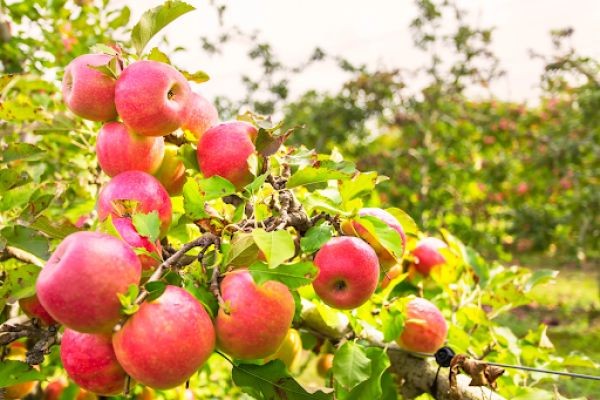
Choosing the right Apple Tree variety is one of the most important decisions for gardeners who want to grow fresh, flavorful apples at home. Apples are among the most widely cultivated fruits in the United States, with thousands of known varieties developed for different climates, flavors, and uses. However, not every apple tree performs equally well in every region. Understanding the differences among apple varieties, growing conditions, and pollination needs can help you select the best option for your garden.
Understanding Apple Tree Types
Apple trees generally fall into three main size categories: standard, semi-dwarf, and dwarf. Standard apple trees can grow up to 25–30 feet tall and produce large harvests, but they require significant space and maintenance. Semi-dwarf apple trees usually grow between 12–20 feet and are a popular choice for home gardeners because they are easier to manage while still producing abundant fruit.
Dwarf apple trees are even smaller, typically reaching 8–10 feet in height. These compact trees are ideal for small yards, urban gardens, and even large containers. Although they produce smaller harvests compared to standard trees, dwarf varieties allow gardeners to grow multiple Apple Tree varieties in limited space.
Popular Apple Tree Varieties in the United States
Several apple varieties are widely grown across the United States because of their flavor, adaptability, and productivity.
Honeycrisp apples are one of the most popular modern varieties. Known for their crisp texture and balanced sweet-tart flavor, Honeycrisp apple trees perform well in cooler regions such as the Midwest and Northeast. These apples are excellent for fresh eating.
Fuji apple trees are another favorite among home gardeners. Originally developed in Japan but widely grown in the United States, Fuji apples are sweet, firm, and store well for long periods. They thrive in warmer climates and are commonly grown in states such as California and Washington.
Gala apple trees are known for their mild sweetness and attractive red-striped skin. They grow well in many parts of the country and are particularly suitable for home gardens because the trees are productive and relatively easy to maintain.
Granny Smith apple trees produce the well-known bright green apples with a tart flavor. These apples are ideal for baking and cooking, making them a staple in many American kitchens. Granny Smith trees tend to grow well in warmer climates.
Another classic American variety is the Red Delicious apple tree. Although less popular for cooking, Red Delicious apples are widely recognized for their deep red color and mild flavor. These trees grow successfully in many regions of the United States.
Climate and Hardiness Zones
Before selecting an Apple Tree variety, it is essential to consider your USDA hardiness zone. Apple trees typically grow best in zones 3 through 8, but specific varieties perform better in certain climates.
Cold-hardy varieties such as Honeycrisp, McIntosh, and Haralson thrive in northern states where winters are harsh. In contrast, varieties like Fuji and Granny Smith tolerate warmer climates and longer growing seasons found in southern and western regions.
Chill hours are another important factor. Apple trees require a certain number of cold hours during winter to properly set fruit in spring. Gardeners in warmer regions should select low-chill varieties that can still produce fruit with fewer cold hours.
Pollination Requirements
Most Apple Tree varieties cannot pollinate themselves and require cross-pollination from another compatible apple variety. This means gardeners typically need to plant at least two different apple trees that bloom at the same time to ensure proper fruit production.
For example, Gala and Fuji trees often pollinate each other effectively. Crabapple trees can also serve as excellent pollinators because they produce abundant blossoms that attract pollinating insects like bees.
Proper pollination greatly improves fruit yield and ensures that your Apple Tree produces healthy apples each season.
Choosing the Right Apple Tree for Your Garden
When selecting an Apple Tree for your garden, consider several factors including available space, climate conditions, fruit flavor preferences, and intended use. Some apples are best for fresh eating, while others are ideal for baking, cider making, or long-term storage.
Home gardeners should also consider disease-resistant varieties. Modern apple cultivars such as Liberty, Enterprise, and Freedom were developed to resist common diseases like apple scab and fire blight. Choosing disease-resistant trees can reduce the need for chemical treatments and make maintenance easier.
Local nurseries and agricultural extension services can provide valuable guidance on which apple varieties perform best in your specific region.
Conclusion
Growing an Apple Tree in your garden can be a rewarding experience that provides fresh, nutritious fruit for many years. Whether you prefer sweet apples for snacking or tart apples for baking, the right choice can ensure a productive harvest and a thriving garden filled with healthy fruit trees. By understanding the different apple varieties, climate requirements, tree sizes, and pollination needs, gardeners can make informed decisions and select the best trees for their landscape.






