
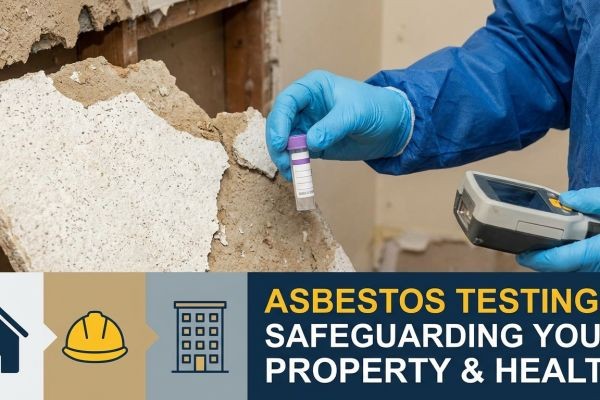
Asbestos Testing: Ensuring Safety, Compliance, and Long-Term Building Protection
Asbestos testing is a critical process for identifying hidden health hazards in residential, commercial, and industrial buildings. Although asbestos was once widely used in construction due to its durability, fire resistance, and affordability, it is now known to pose serious health risks when disturbed. Many older properties still contain asbestos materials, making testing an essential step before renovation, demolition, or maintenance work.
Understanding what asbestos testing involves and why it matters can help property owners, builders, and managers make safer, more informed decisions.
What Is Asbestos Testing?
Asbestos testing is the professional process of identifying whether building materials contain asbestos fibers. This is done by collecting small samples from suspected materials and analyzing them in a certified laboratory.
Common materials that may contain asbestos include:
-
Ceiling textures and coatings
-
Roof sheets and cement panels
-
Vinyl flooring and adhesives
-
Pipe insulation materials
-
Wall cladding and insulation boards
These materials are often safe when undisturbed. However, once damaged or disturbed during construction or renovation, they can release microscopic fibers into the air, creating serious health risks.
Why Asbestos Testing Is Important
1. Protecting Human Health
The most important reason for asbestos testing is health protection. Inhalation of asbestos fibers can cause long-term diseases such as:
-
Asbestosis
-
Lung cancer
-
Mesothelioma
These conditions develop slowly over time, often making early detection the only way to prevent exposure.
2. Legal and Regulatory Compliance
In many regions, including New Zealand, property owners and employers are legally required to manage asbestos risks responsibly. Failing to conduct proper testing before work begins can result in legal penalties, fines, and project shutdowns.
3. Safe Renovation and Construction Work
Before any renovation, drilling, demolition, or maintenance work begins, asbestos testing ensures that workers and occupants are not exposed to dangerous materials hidden within the structure.
4. Environmental Protection
Proper testing helps prevent asbestos contamination in soil and surrounding environments, especially during demolition or large-scale construction projects.
When Should Asbestos Testing Be Done?
Asbestos testing is strongly recommended in the following situations:
-
Before renovating older homes or buildings
-
Prior to demolition or structural changes
-
When purchasing an older property
-
After fire or water damage
-
During routine building inspections
Any building constructed before the early 2000s should be treated as potentially containing asbestos until proven otherwise.
The Asbestos Testing Process
Professional asbestos testing follows a strict and controlled procedure to ensure safety and accuracy.
1. Site Inspection
A trained specialist inspects the property and identifies materials that may contain asbestos.
2. Safe Sample Collection
Small samples are carefully taken using controlled methods to avoid releasing fibers into the air.
3. Laboratory Analysis
The samples are sent to an accredited laboratory where they are examined under a microscope to confirm the presence or absence of asbestos.
4. Risk Assessment
If asbestos is detected, experts assess its condition, location, and risk level to determine the safest course of action.
5. Reporting
A detailed report is provided outlining findings and recommendations such as monitoring, sealing, or removal.
Types of Materials Commonly Tested
Asbestos was used in a wide range of construction materials, especially in older buildings. Common examples include:
-
Roofing and wall panels
-
Vinyl floor tiles and adhesives
-
Spray-on ceiling coatings
-
Pipe lagging and insulation
-
Cement-based construction sheets
Because asbestos cannot always be identified visually, laboratory testing is the only reliable method of confirmation.
Safety During Asbestos Testing
Professional asbestos testing services follow strict safety procedures, including:
-
Use of protective equipment
-
Controlled sampling methods
-
Sealed sample containers
-
Safe transport to laboratories
-
Compliance with health and safety regulations
These precautions ensure that testing itself does not create any additional risk to occupants or workers.
Asbestos Testing and Property Management
For property owners and managers, asbestos testing is an essential part of responsible building maintenance. It helps ensure compliance, protects occupants, and prevents unexpected delays during construction or renovation projects.
Testing also allows property professionals to plan ahead, budget for remediation if necessary, and avoid legal complications.
Reliable services such as Asbestos Testing provide licensed inspection and testing solutions that help property owners safely manage asbestos risks and maintain compliance with regulations.
Choosing the Right Asbestos Testing Service
When selecting a provider, it is important to ensure they are:
-
Licensed and certified
-
Experienced in asbestos identification
-
Compliant with safety regulations
-
Equipped with proper testing procedures
-
Able to provide independent lab results
Working with qualified professionals ensures accurate results and safe handling throughout the process.
Cost Factors for Asbestos Testing
The cost of asbestos testing may vary depending on:
-
Size of the property
-
Number of samples required
-
Accessibility of materials
-
Type of building
-
Urgency of testing
Although testing involves a cost, it is minimal compared to the potential health risks and legal consequences of undetected asbestos.
The Role of Asbestos Testing in Safe Construction
In construction and renovation projects, asbestos testing is often the first step before any physical work begins. Without it, workers may unknowingly disturb hazardous materials, leading to project delays and safety risks.
Early testing allows contractors to plan safe removal or containment strategies, ensuring projects remain on schedule and within regulatory requirements.
Professional Asbestos Solutions
For complete asbestos management—from testing to removal—working with experienced specialists is essential. Companies like Asbestos Testing offer comprehensive services that include inspection, testing, and safe remediation to protect both people and property.
Conclusion
Asbestos testing is a vital safety measure for any property that may contain older building materials. It ensures that hazards are identified early, managed correctly, and removed safely when necessary.
Whether you are a homeowner, builder, landlord, or property manager, asbestos testing provides peace of mind, legal protection, and long-term safety for everyone involved.






