
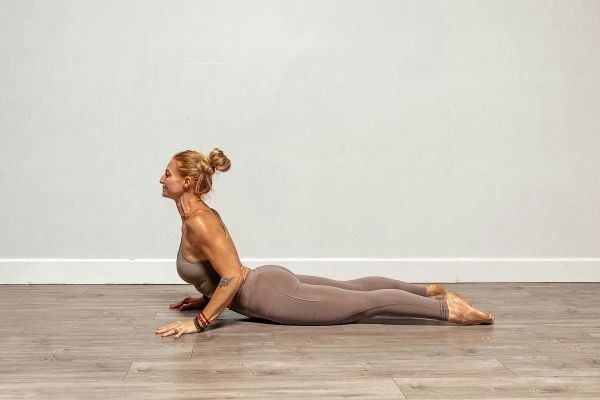
Ashtanga Yoga is one of the most profound and structured systems in the yogic tradition, offering a complete path toward physical health, mental clarity, and spiritual awakening. The term “Ashtanga” comes from Sanskrit, where “Ashta” means eight and “Anga” means limbs. Together, it refers to the eightfold path of yoga, a holistic framework designed to guide practitioners from external practices to deep inner realization.
Rooted in the ancient teachings of the sage Patanjali, Ashtanga Yoga is described in the Yoga Sutras, one of the most important classical texts of yoga philosophy. This system is not limited to physical postures but encompasses ethical living, breath control, concentration, meditation, and ultimately, spiritual liberation.
What is Ashtanga Yoga?
Ashtanga Yoga is a comprehensive approach to life that integrates body, mind, and spirit. While modern yoga often emphasizes physical exercises, the true essence of Ashtanga Yoga lies in its eight interconnected limbs that guide practitioners toward self-awareness and inner peace.
These limbs are progressive steps that move from the external world to the internal self. The journey begins with ethical discipline and physical practices and gradually leads to higher states of consciousness and enlightenment.
The Philosophy Behind Ashtanga Yoga
The philosophy of Ashtanga Yoga is based on the idea that true well-being comes from harmony between the body, mind, and soul. It teaches that yoga is not just something practiced on the mat but a way of living with awareness, discipline, and compassion.
Each limb of Ashtanga Yoga builds upon the previous one, creating a structured path for personal growth. The ultimate goal is Samadhi, a state of deep meditation and spiritual absorption where the individual experiences unity with the universe.
The Eight Limbs of Ashtanga Yoga
The foundation of Ashtanga Yoga lies in its eight limbs, each representing a different aspect of the yogic journey.
1. Yama (Ethical Restraints)
Yama refers to moral guidelines that shape how we interact with others and the world around us. These include principles such as non-violence (Ahimsa), truthfulness (Satya), non-stealing (Asteya), moderation (Brahmacharya), and non-possessiveness (Aparigraha). These values help create harmony in relationships and society.
2. Niyama (Personal Observances)
Niyama focuses on self-discipline and personal growth. It includes practices such as cleanliness (Saucha), contentment (Santosha), self-discipline (Tapas), self-study (Svadhyaya), and surrender to a higher power (Ishvara Pranidhana). These observances encourage inner reflection and spiritual development.
3. Asana (Physical Postures)
Asana is the most recognized aspect of yoga today. It involves physical postures that strengthen the body, improve flexibility, and prepare the practitioner for meditation. However, in Ashtanga Yoga, asanas are just one part of a much larger system.
4. Pranayama (Breath Control)
Pranayama involves regulating the breath to control the flow of life energy (prana) within the body. Through conscious breathing techniques, practitioners can calm the mind, increase energy levels, and enhance mental clarity.
5. Pratyahara (Withdrawal of the Senses)
Pratyahara is the practice of turning inward by withdrawing attention from external distractions. It helps develop control over the senses and prepares the mind for deeper concentration.
6. Dharana (Concentration)
Dharana refers to focused concentration on a single point, object, or thought. This practice strengthens mental discipline and helps eliminate distractions.
7. Dhyana (Meditation)
Dhyana is a state of continuous meditation where the mind becomes fully absorbed in the present moment. It is a deeper form of concentration that leads to inner stillness and awareness.
8. Samadhi (Spiritual Absorption)
Samadhi is the final stage of Ashtanga Yoga, representing a state of complete unity and enlightenment. In this state, the practitioner transcends the ego and experiences pure consciousness.
Why Ashtanga Yoga is More Than Physical Practice
In today’s world, yoga is often associated with flexibility and fitness. However, Ashtanga Yoga emphasizes that physical postures are only one part of the journey. The real purpose of yoga is to cultivate a balanced and mindful life.
By following the eight limbs, practitioners develop:
- Ethical awareness
- Emotional stability
- Mental clarity
- Spiritual growth
This makes Ashtanga Yoga a complete lifestyle rather than just a form of exercise.
Benefits of Practicing Ashtanga Yoga
Practicing Ashtanga Yoga regularly offers a wide range of benefits for both the body and mind.
Physical Benefits
- Improves strength and flexibility
- Enhances posture and balance
- Boosts energy levels
- Supports overall fitness
Mental Benefits
- Reduces stress and anxiety
- Improves focus and concentration
- Promotes emotional balance
Spiritual Benefits
- Encourages self-awareness
- Deepens meditation practice
- Leads to inner peace and clarity
By integrating all eight limbs, practitioners experience holistic well-being.
Ashtanga Yoga in Modern Life
Although Ashtanga Yoga has ancient origins, its principles are highly relevant in modern life. The ethical guidelines of Yama and Niyama can be applied in daily interactions, while practices like meditation and breath control help manage stress and improve mental health.
Even if you do not follow all eight limbs strictly, incorporating some aspects into your routine can bring significant positive changes. For example:
- Practicing mindfulness in daily activities
- Maintaining honesty and compassion
- Taking time for meditation and self-reflection
These small steps can lead to a more balanced and fulfilling life.
Difference Between Ashtanga Yoga and Modern Yoga Styles
Many people confuse Ashtanga Yoga with Ashtanga Vinyasa Yoga, a physically demanding style popular in modern yoga studios. While Ashtanga Vinyasa focuses on sequences of postures, traditional Ashtanga Yoga is a broader philosophical system.
The eight limbs provide a complete roadmap for personal transformation, going beyond physical practice to include mental and spiritual development.
How to Start Practicing Ashtanga Yoga
If you are new to Ashtanga Yoga, it is best to start gradually. Begin with basic asanas and simple breathing techniques, and slowly incorporate other limbs such as meditation and ethical practices.
Tips for Beginners
- Practice regularly with consistency
- Focus on proper breathing
- Learn from experienced teachers
- Be patient with your progress
Remember, Ashtanga Yoga is a lifelong journey, not a quick result.
Final Thoughts
Ashtanga Yoga is a powerful and transformative system that goes far beyond physical exercise. By following the eight limbs, practitioners can achieve balance in all aspects of life—physical, mental, and spiritual.
Rooted in ancient wisdom yet highly relevant today, Ashtanga Yoga offers a complete path to self-discovery and inner peace. Whether you are a beginner or an experienced practitioner, embracing this holistic approach can help you lead a more mindful, disciplined, and fulfilling life.






