
Auto Infotainment Market Drivers
The auto infotainment market has become a crucial element of modern vehicles, reflecting the increasing demand for connectivity, personalization, and in-car digital experiences. Once limited to basic radio and navigation, infotainment systems have evolved into sophisticated platforms that integrate entertainment, communication, navigation, and vehicle management. The growth of this market is fueled by a combination of technological, consumer, and industry-specific drivers. Understanding these drivers provides insight into the forces shaping the auto infotainment landscape.
Increasing Consumer Demand for Connectivity
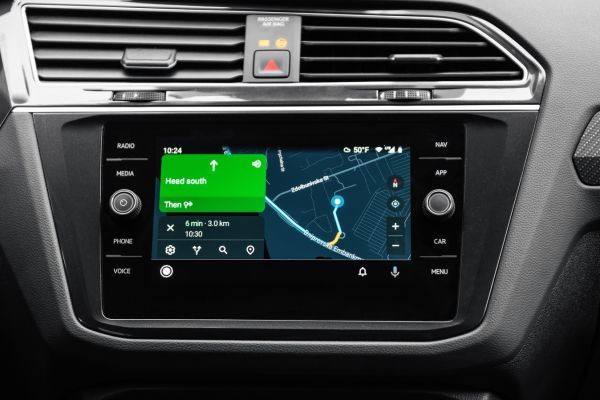
A primary driver of the auto infotainment market is the growing consumer expectation for seamless connectivity. Modern drivers and passengers want vehicles that integrate with smartphones, streaming services, and online platforms. Features such as Apple CarPlay, Android Auto, and cloud-based applications allow users to access familiar apps, media, and communication tools directly through the vehicle interface.
Connectivity is no longer optional; it has become a baseline expectation. Consumers demand real-time traffic updates, navigation assistance, media streaming, and even social interactions while on the move. Vehicles with advanced infotainment systems can deliver a connected experience that mirrors the convenience of mobile devices, which is driving adoption across vehicle segments.
Technological Advancements
Rapid technological innovation is another significant driver of market growth. Advancements in artificial intelligence (AI), machine learning, voice recognition, augmented reality (AR), and high-resolution displays are enhancing the functionality and appeal of infotainment systems.
AI-powered platforms allow vehicles to analyze driver behavior, preferences, and routines, providing personalized recommendations for navigation, media, and vehicle settings. Voice assistants have evolved to understand natural language, enabling conversational interactions with the vehicle. Gesture control and AR overlays improve usability and safety, creating more immersive and intuitive in-car experiences. These innovations differentiate vehicles in a competitive market, encouraging automakers to invest heavily in infotainment technology.
Integration with Electric and Autonomous Vehicles
The rise of electric vehicles (EVs) and autonomous vehicles (AVs) is fueling demand for sophisticated infotainment solutions. EVs require digital dashboards to monitor battery health, energy efficiency, and charging station availability. Infotainment systems play a critical role in providing route optimization and energy management insights, making them essential operational tools.
In autonomous vehicles, the focus shifts from driver assistance to passenger experience. Infotainment systems become central to the cabin environment, offering gaming, video streaming, virtual meetings, and immersive media. As EVs and AVs gain market share, the need for advanced infotainment systems that support these functions will continue to drive market growth.
Rising Adoption of Subscription and Cloud-Based Services
Subscription models and cloud-based services are emerging as key drivers in the auto infotainment market. Automakers are offering premium features such as navigation enhancements, entertainment platforms, and AI personalization through recurring subscription fees rather than one-time purchases.
Cloud connectivity enables over-the-air (OTA) updates, ensuring that infotainment systems remain current and can continuously improve user experience. Subscription and cloud services create long-term engagement with consumers, provide recurring revenue for manufacturers, and encourage continuous innovation, all of which fuel market growth.
Increasing Focus on Safety and Driver Assistance
Infotainment systems are increasingly integrated with advanced driver-assistance systems (ADAS), enhancing safety and driving efficiency. Real-time alerts for lane departures, hazards, traffic conditions, and navigation guidance reduce driver risk while maintaining engagement with infotainment features.
Predictive analytics can anticipate potential driving hazards, adjust navigation routes, and provide alerts that enhance situational awareness. By linking infotainment with safety and assistance systems, automakers deliver functional value beyond entertainment, encouraging consumer adoption and increasing market demand.
Expansion of Premium and Luxury Vehicle Segments
Premium and luxury vehicle segments are significant drivers for advanced infotainment systems. High-end vehicles offer multi-screen dashboards, immersive audio, gesture control, AR navigation, and AI-powered personalization. Consumers in these segments prioritize cutting-edge technology, convenience, and comfort, making infotainment a key differentiator.
As luxury and premium vehicle sales grow globally, the demand for sophisticated infotainment systems rises in parallel. Even mid-range vehicles are beginning to adopt features previously limited to luxury models, extending market reach and accelerating overall growth.
Influence of Smartphone and Mobile Technology
The proliferation of smartphones and mobile applications has influenced consumer expectations for in-car infotainment. Users now expect seamless integration between their personal devices and vehicle systems.
Automakers are responding by ensuring that infotainment platforms mirror the interfaces, apps, and services found on smartphones. Wireless connectivity, app ecosystems, and intuitive interfaces are now considered baseline features, driving manufacturers to enhance infotainment capabilities to meet these expectations.
Regional and Demographic Drivers
Market growth is also influenced by regional adoption patterns and demographic trends. In mature markets like North America and Europe, consumers demand high-end infotainment features, AI-driven personalization, and robust connectivity. In emerging markets, affordability and smartphone integration remain primary drivers.
Younger consumers across all regions are especially influential, prioritizing personalization, digital engagement, and immersive entertainment features. Automakers are tailoring infotainment solutions to meet these regional and demographic preferences, further fueling demand.
Strategic Partnerships and Collaboration
Collaboration between automakers, technology providers, and content platforms accelerates development and deployment of advanced infotainment systems. Strategic partnerships allow companies to integrate cutting-edge features quickly, access premium content, and maintain system compatibility across multiple platforms.
Alliances with streaming services, cloud providers, and AI specialists reduce in-house development costs and enhance feature offerings. Such partnerships drive innovation, improve user experience, and strengthen competitive positioning, indirectly supporting market expansion.
Conclusion
The auto infotainment market is being propelled by a combination of technological, consumer, and industry-specific drivers. Increasing demand for connectivity, technological innovation, integration with electric and autonomous vehicles, and the rise of subscription services are primary growth factors.
Safety integration, premium vehicle adoption, smartphone compatibility, regional preferences, and strategic partnerships further accelerate market expansion. Together, these drivers are reshaping the role of infotainment systems from simple audio and navigation tools to central platforms for user engagement, operational efficiency, and digital mobility.
As vehicles become smarter and more connected, the demand for sophisticated, user-centric, and personalized infotainment solutions will continue to grow, making this market a critical focus area for automakers, technology providers, and content developers worldwide.






