
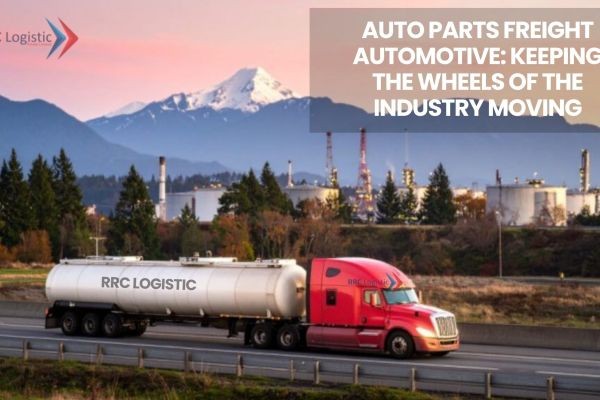
The automotive industry runs on precision, timing, and reliability. Every vehicle on the road is made up of thousands of parts, and each one has to arrive at the right place at the right time. This is where Auto Parts Freight Automotive Logistics steps in. It may not always be visible to end customers, but it plays a huge role in keeping factories running, dealerships stocked, and service centers fully operational.
From small components like nuts and bolts to large engines and body panels, auto parts need specialized handling and transportation. Without a strong freight system, production lines would stop, repairs would get delayed, and customer satisfaction would take a hit.
What Is Auto Parts Freight Automotive Logistics?
Auto parts freight automotive logistics focuses on transporting, storing, and distributing automotive components across the supply chain. This includes movement between manufacturers, suppliers, warehouses, assembly plants, dealerships, and aftermarket service centers.
Unlike general cargo, auto parts come in many shapes, sizes, and weights. Some are fragile, some are heavy, and others are high-value items that require extra security. Efficient logistics ensures these parts arrive safely, damage-free, and on schedule.
Why Auto Parts Logistics Is So Critical
In the automotive world, delays are expensive. Assembly lines depend on just-in-time deliveries, where parts arrive exactly when needed. Even a short delay can halt production, causing major financial losses.
Auto parts freight automotive services help manufacturers maintain smooth operations by ensuring steady and timely supply. For dealerships and service centers, reliable logistics means faster repairs, reduced downtime, and happier customers.
Handling Different Types of Auto Parts
Not all auto parts are the same, and logistics solutions need to reflect that. Engines, gearboxes, and axles require heavy-duty vehicles and secure loading. Electronic components need protection from moisture and static. Body panels and glass parts must be packed carefully to avoid scratches or breakage.
Professional logistics providers use customized packaging, proper loading techniques, and trained staff to handle each type of part correctly. This attention to detail helps prevent damage and reduces return or replacement costs.
Warehousing and Inventory Management
Warehousing is a key part of auto parts freight automotive operations. A well-organized warehouse allows quick access to parts and smooth distribution. With thousands of SKUs to manage, accurate inventory control is essential.
Modern warehouses use barcode systems, real-time inventory tracking, and organized storage layouts to improve efficiency. This helps manufacturers and distributors maintain optimal stock levels and respond quickly to demand.
Technology Driving Auto Parts Freight Automotive
Technology has transformed the way auto parts logistics operates. GPS tracking allows real-time shipment visibility, while route optimization helps reduce transit time and fuel costs. Digital inventory systems ensure accurate stock management and faster order processing.
Automation in warehouses, such as conveyor systems and smart sorting, further improves speed and accuracy. These innovations make auto parts freight automotive services more reliable and cost-effective.
Importance of Reliable Logistics Partners
A dependable logistics partner is crucial for the automotive supply chain. They need to understand industry timelines, quality expectations, and operational pressures. A good partner doesn’t just move goods—they help businesses plan better and grow faster.
Companies like RRC Logistic provide specialized automotive freight solutions designed to handle the complexity of auto parts transportation. With experienced teams, strong infrastructure, and a focus on reliability, they help keep the automotive supply chain running smoothly.
Challenges in Automotive Freight
Auto parts logistics comes with its own set of challenges. Traffic congestion, long-distance transport, fluctuating demand, and handling risks can all disrupt operations. Additionally, global sourcing means parts may need to move across states or borders, adding complexity.
Experienced logistics providers prepare for these challenges with proper planning, backup routes, secure packaging, and efficient communication. Their proactive approach helps minimize disruptions and maintain consistency.
The Future of Auto Parts Freight Automotive
As vehicles become more advanced, the demand for specialized parts is increasing. Electric vehicles, hybrid systems, and smart automotive technologies require new components and handling methods. This is pushing auto parts freight automotive logistics to evolve rapidly.
Sustainability is also gaining importance. More companies are focusing on eco-friendly packaging, fuel-efficient vehicles, and optimized routes to reduce environmental impact. Logistics providers who adapt to these changes will lead the future of automotive freight.
Final Thoughts
Auto parts freight automotive logistics is the backbone of the automotive industry. It ensures that manufacturers can produce, service centers can repair, and dealerships can deliver without interruption. Every successful vehicle on the road is backed by a well-coordinated logistics network.
With reliable partners like RRC Logistic, automotive businesses can focus on innovation and customer satisfaction while leaving the complexity of transportation and distribution in expert hands. As the industry continues to grow, strong logistics support will remain essential to keeping the wheels turning






