
Automated Fare Collection Market Outlook and Forecast
The Automated Fare Collection Market is witnessing substantial growth as public transportation authorities and mobility operators increasingly invest in digital ticketing infrastructure, contactless payment systems, and smart transit technologies. Urbanization, rising passenger traffic, and the growing adoption of intelligent transportation systems are accelerating the deployment of automated fare collection solutions across railways, metro systems, buses, and multimodal transit networks worldwide.
Governments and transit agencies are focusing on enhancing commuter convenience through mobile ticketing, QR-code payments, NFC-enabled cards, and account-based ticketing systems. The integration of artificial intelligence, cloud computing, and real-time analytics into transportation management platforms is also transforming the operational efficiency of fare collection ecosystems.
- 2025 Market Size: USD 15.25 Billion
- Projected 2035 Market Size: USD 56.04 Billion
- Growth Forecasts (2026–2035): 13.9%
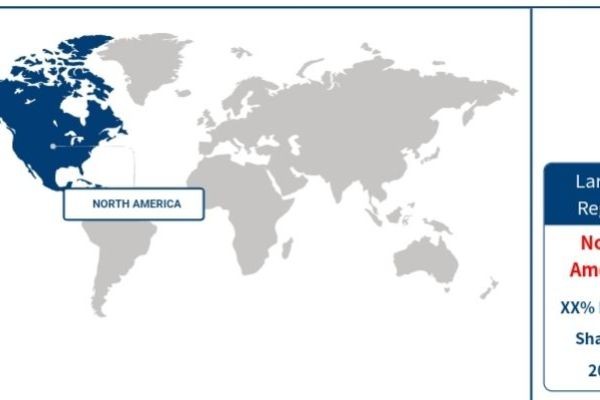
North America continues to lead the automated fare collection market due to widespread adoption of smart transit infrastructure and strong investments in urban mobility modernization projects. Major metropolitan cities across the United States and Canada are upgrading legacy ticketing systems to support contactless and mobile-based fare payment technologies.
Europe remains a prominent region driven by sustainability initiatives, smart city programs, and the expansion of integrated transportation networks. Countries including the United Kingdom, Germany, and France are investing in interoperable fare collection platforms that support seamless cross-border travel and multimodal mobility.
Asia Pacific is expected to witness significant adoption owing to rapid urbanization, expanding metro rail networks, and government-backed digitalization programs. China, Japan, India, and South Korea are increasingly deploying automated fare collection technologies to improve passenger management and reduce operational inefficiencies.
The hardware segment captured a 58.2% share of the automated fare collection market in 2025 due to increasing deployment of ticket vending machines, validators, smart card readers, and fare gates across transportation systems. Hardware solutions remain essential for ensuring secure, high-speed passenger transactions and efficient access control.
The fare gates segment contributed a 41.2% share to the automated fare collection market in 2025 as transportation operators prioritize passenger flow management, fare evasion prevention, and enhanced security. Advanced fare gates integrated with biometric authentication and contactless ticket validation technologies are becoming increasingly common in modern transit infrastructure.
Request Free Sample Report @ https://www.fundamentalbusinessinsights.com/request-sample/14449
Top Market Trends Transforming the Automated Fare Collection Market
Growing Adoption of Contactless and Mobile Payments
The increasing popularity of contactless bank cards, NFC-enabled smartphones, and digital wallets is significantly influencing the automated fare collection market. Transit agencies are modernizing payment ecosystems to improve convenience and reduce cash handling operations. Commuters increasingly prefer tap-and-go payment methods that support faster boarding and frictionless travel experiences.
Several transportation operators worldwide have introduced open-loop payment systems that allow passengers to use debit cards, credit cards, and mobile wallets directly at transit terminals. This trend is reducing dependency on proprietary transit cards and improving user accessibility.
Integration of Artificial Intelligence and Data Analytics
Artificial intelligence and predictive analytics are becoming integral components of automated fare collection systems. Transit authorities are leveraging AI-driven platforms to monitor passenger behavior, optimize fare pricing, detect fraudulent activities, and improve route planning.
Advanced analytics tools are helping transportation providers gain real-time insights into commuter patterns, peak-hour congestion, and revenue management. These capabilities enable operators to improve operational efficiency and enhance passenger satisfaction.
Expansion of Smart City and Intelligent Transportation Projects
The rapid expansion of smart city initiatives is creating significant opportunities for automated fare collection solution providers. Governments are increasingly integrating public transportation systems with digital infrastructure to enable seamless urban mobility.
Automated fare collection technologies are becoming essential components of intelligent transportation ecosystems that support integrated ticketing, real-time passenger information systems, and mobility-as-a-service platforms. Smart city investments are expected to further strengthen demand for interoperable fare management systems.
Rising Deployment of Account-Based Ticketing Systems
Account-based ticketing systems are gaining traction as transit agencies shift toward cloud-based fare management platforms. Unlike traditional card-centric systems, account-based ticketing stores passenger credentials in centralized cloud environments, enabling greater flexibility and scalability.
This approach supports multiple payment methods, simplifies fare calculations, and enables personalized commuter services. Transit operators are increasingly adopting account-based models to improve customer engagement and streamline system maintenance.
Request Free Sample Report @ https://www.fundamentalbusinessinsights.com/request-sample/14449
Recent Company Developments in the Automated Fare Collection Market
Cubic Transportation Systems
Cubic Transportation Systems has expanded its account-based ticketing capabilities and enhanced cloud-enabled fare management platforms for metropolitan transit operators. The company continues to focus on interoperable mobility solutions and real-time passenger analytics technologies.
Thales Group
Thales Group introduced advanced contactless ticketing technologies and digital mobility platforms aimed at improving urban transportation efficiency. The company is also investing in cybersecurity-focused fare collection infrastructure for public transit agencies.
Conduent Transportation
Conduent Transportation has strengthened its automated fare collection portfolio through AI-powered transit analytics and integrated payment solutions. The company continues to collaborate with municipal transportation authorities to modernize fare collection networks.
Scheidt & Bachmann
Scheidt & Bachmann has focused on expanding mobile ticketing capabilities and cloud-based fare collection solutions across European transit networks. The company is actively investing in multimodal transportation integration technologies.
LECIP Holdings Corporation
LECIP Holdings Corporation has launched upgraded fare payment terminals and advanced ticket validation systems designed to improve commuter throughput and reduce transaction delays in bus and railway systems.
Samsung SDS
Samsung SDS is increasingly investing in smart mobility technologies, including digital ticketing systems and AI-driven transit management platforms. The company is expanding its presence in intelligent transportation infrastructure projects.
Omron Corporation
Omron Corporation continues to enhance automated gate systems and smart card technologies for urban transit applications. The company is focusing on biometric authentication integration and touchless access solutions.
Indra Sistemas
Indra Sistemas has expanded its transportation digitization initiatives through integrated fare management systems and cloud-enabled passenger mobility platforms. The company is supporting smart transit modernization programs across multiple regions.
INIT Innovations in Transportation
INIT Innovations in Transportation is actively developing advanced passenger information systems and next-generation fare collection technologies for public transportation authorities worldwide.
Hitachi Rail
Hitachi Rail has strengthened its digital rail mobility offerings through investments in smart ticketing infrastructure and intelligent transportation analytics platforms. The company continues to focus on improving commuter experience through seamless fare integration.
Request Free Sample Report @ https://www.fundamentalbusinessinsights.com/request-sample/14449
Related Reports
About Fundamental Business Insights:
Fundamental Business Insights is global market research and consulting company which is engaged in providing in depth market reports to its various types of clients like industrial sectors, financial sectors, universities, non-profit, and corporations. Our goal is to offer the correct information to the right stakeholder at the right time, in a format that enables logical and informed decision making. We have a team of consultants who have experience in offering executive level blueprints of markets and solutions. Our services include syndicated market studies, customized research reports, and consultation.
Contact us:
Robbin Fernandez
Head of Business Development
Fundamental Business Insights and Consulting
Email: sales@fundamentalbusinessinsights.com






