Introduction
Landslides can occur without warning, causing significant damage to infrastructure, disrupting operations, and endangering lives. Factors such as heavy rainfall, soil erosion, seismic activity, groundwater changes, and construction work can all contribute to slope instability. To reduce these risks, organizations need reliable monitoring systems that provide continuous insight into changing environmental and geotechnical conditions.
Avacam - Remote landslide monitoring with industrial devices offers a modern approach to landslide risk management through real-time monitoring, automated alerts, and cloud-based analytics. By utilizing industrial-grade sensors and IoT-enabled technologies, Avacam helps organizations identify potential hazards early and take preventive action before a landslide occurs.
Why Remote Landslide Monitoring Is Essential
Traditional inspections provide only periodic information about slope conditions. However, ground conditions can change rapidly due to weather events or environmental factors. Remote monitoring enables continuous observation, ensuring that critical changes are detected immediately.
Benefits of remote landslide monitoring include:
- Continuous 24/7 monitoring
- Early detection of slope movement
- Real-time environmental data collection
- Automated warning notifications
- Reduced inspection costs
- Improved safety and preparedness
Access to real-time information allows organizations to respond quickly and minimize potential risks.
Industrial Devices for Accurate Monitoring
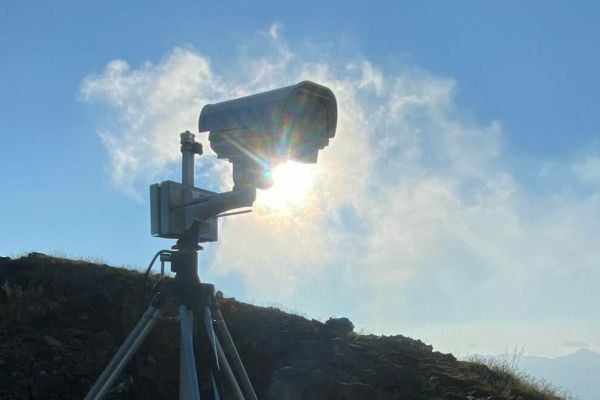
Avacam deploys rugged industrial monitoring devices specifically designed for harsh outdoor environments. These devices continuously collect data from critical locations and transmit it securely to a central monitoring platform.
Ground Movement Sensors
High-precision displacement sensors monitor slope deformation and terrain movement. Even minor shifts can be detected and analyzed for signs of instability.
Rainfall Monitoring Systems
Rainfall is a major trigger for landslides. Avacam’s monitoring devices measure precipitation levels in real time, helping organizations assess changing risk conditions.
Soil Moisture Sensors
Excessive soil moisture can weaken slopes and increase the likelihood of landslides. Continuous monitoring provides valuable insights into soil saturation levels.
Groundwater Monitoring Devices
Groundwater pressure significantly influences slope stability. Monitoring these conditions helps identify potential hazards before they escalate.
IoT-Enabled Connectivity
Avacam’s industrial devices use advanced communication technologies, including:
- GSM communication
- LTE networks
- Satellite connectivity
- Industrial IoT systems
These technologies ensure reliable data transmission from remote and challenging locations.
Cloud-Based Monitoring Platform
Data collected from monitoring devices is transmitted to a secure cloud platform where users can access information in real time.
Platform features include:
- Live monitoring dashboards
- Historical data analysis
- Trend visualization
- Automated reporting
- Multi-site monitoring capabilities
This centralized system allows organizations to manage and monitor multiple locations efficiently.
Automated Early Warning Alerts
One of the most important aspects of landslide monitoring is timely notification. Avacam’s platform automatically generates alerts when monitoring data exceeds predefined thresholds.
Alerts can be delivered through:
- SMS messages
- Email notifications
- Mobile applications
- Integrated operational systems
These warnings provide valuable time for inspections, mitigation measures, and emergency response planning.
Benefits of Avacam Remote Landslide Monitoring
Early Risk Identification
Continuous monitoring helps detect warning signs before visible failures occur, reducing the likelihood of unexpected incidents.
Enhanced Safety
Real-time alerts help protect workers, nearby communities, and critical infrastructure from potential hazards.
Infrastructure Protection
Roads, bridges, tunnels, railways, dams, and industrial facilities can be monitored continuously to reduce damage and downtime.
Reduced Operational Costs
Remote monitoring decreases the need for frequent field visits while improving maintenance and risk management efficiency.
Reliable Performance
Industrial-grade devices are designed for long-term operation in demanding environmental conditions.
Applications Across Industries
Transportation Networks
Monitor slopes near highways, railways, and tunnels to improve safety and maintain operational continuity.
Mining and Quarrying
Track terrain stability around excavation sites, waste dumps, and tailings facilities.
Construction Projects
Monitor ground conditions during infrastructure development to identify and address potential risks.
Energy and Water Infrastructure
Protect dams, reservoirs, hydropower facilities, and pipelines through continuous environmental monitoring.
Government and Disaster Management
Support hazard mitigation programs and emergency response initiatives with accurate, real-time environmental data.
Future-Ready Monitoring Solutions
The future of landslide monitoring is being shaped by Artificial Intelligence (AI), predictive analytics, machine learning, and Industrial IoT technologies. These innovations enable better forecasting, trend analysis, and proactive risk management.
Avacam continues to integrate advanced technologies into its monitoring solutions, helping organizations improve resilience and environmental safety.
Conclusion
Managing landslide risks requires continuous monitoring, accurate data, and rapid response capabilities. Traditional monitoring methods alone are often insufficient for detecting changing conditions in high-risk environments.
Avacam - Remote landslide monitoring with industrial devices provides a complete monitoring solution that combines industrial-grade sensors, IoT-enabled connectivity, cloud-based analytics, and automated alerts. By delivering real-time visibility into slope conditions and environmental factors, Avacam helps organizations improve safety, protect infrastructure, and strengthen long-term risk management strategies.






