
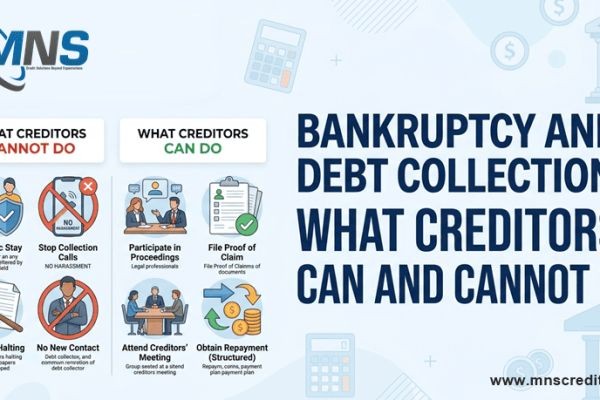
The moment a debtor enters formal insolvency proceedings, the rules governing debt collection change abruptly and substantially. Actions that were entirely lawful and routine a day earlier — filing a recovery suit, enforcing a security interest, or even sending a demand letter threatening legal action — can become impermissible, or simply ineffective, once a moratorium takes effect. Creditors who continue collection efforts as usual, without understanding these new boundaries, risk wasting time and resources, and in some cases risk contempt proceedings for violating the moratorium itself. This article sets out clearly what creditors can and cannot do once insolvency proceedings begin, and how to pursue recovery effectively within those boundaries.
1. The Moratorium: What It Immediately Blocks
Under Section 14 of the Insolvency and Bankruptcy Code, 2016 (IBC), once the National Company Law Tribunal admits a corporate insolvency resolution process (CIRP) application, a moratorium comes into force automatically. This moratorium applies broadly and prohibits creditors from taking several categories of action against the corporate debtor.
- Filing or continuing lawsuits: any suit or legal proceeding, including recovery suits already in progress, against the corporate debtor is suspended for the duration of the moratorium.
- Enforcing security interests: secured creditors cannot take possession of, sell, or otherwise enforce security created over the corporate debtor's assets during this period, even where the security documentation would normally permit it.
- Transferring or disposing of assets: the corporate debtor itself is barred from transferring, encumbering, or disposing of any assets, protecting the estate for the benefit of all creditors collectively.
- Recovery of property: owners or lessors cannot recover property in the possession of the corporate debtor during this period, even where a valid claim to recovery would otherwise exist.
2. What Creditors Cannot Do During Insolvency
- Pursue individual recovery action: no creditor, secured or unsecured, can pursue the corporate debtor directly outside the collective insolvency process once the moratorium is in effect.
- Enforce SARFAESI or similar security enforcement mechanisms: secured lenders who would otherwise be entitled to enforce security under the SARFAESI Act must pause such action against the corporate debtor for the duration of the moratorium.
- Seize assets unilaterally: any attempt to repossess goods, freeze accounts, or otherwise take control of the debtor's assets outside the resolution professional's authority is a direct violation of the moratorium.
- Use coercive or harassing collection tactics: beyond the moratorium itself, general fair-practice standards — including RBI's Fair Practices Code for lenders — prohibit threatening, harassing, or misleading communication with debtors at any stage of collection, insolvency or otherwise.
- Set off dues unilaterally in most cases: creditors generally cannot apply set-off against amounts owed to the corporate debtor without following the process prescribed under the resolution framework.
3. What Creditors Can Still Do
- File a claim with the resolution professional: the primary and most important action available to any creditor is submitting a properly documented claim within the timeline set by the public announcement, ensuring the debt is recognized in the resolution process.
- Participate in the Committee of Creditors: financial creditors are entitled to vote on resolution plans and influence the outcome of the process directly.
- Raise objections through the resolution professional or NCLT: creditors who believe the process is not being conducted fairly, or that their claim has been wrongly rejected or undervalued, can raise this through appropriate channels rather than through independent action.
- Pursue personal guarantors separately: the Supreme Court has confirmed that action against personal guarantors to corporate debt can proceed even while the corporate moratorium is in effect, since the moratorium under Section 14 applies to the corporate debtor, not to guarantors in their individual capacity.
- Continue cheque dishonor proceedings in many cases: the Supreme Court has held that proceedings under Section 138 of the Negotiable Instruments Act for cheque dishonor are not automatically barred by the moratorium, since these proceedings are quasi-criminal in nature rather than purely a recovery action against the corporate debtor's assets.
- Act against corporate guarantors: where a separate corporate entity has guaranteed the debt, creditors may generally still pursue that guarantor entity, subject to whether that entity is itself under a separate moratorium.
4. Operational Creditors: A Distinct Set of Rights
Operational creditors — suppliers and vendors owed money for goods or services — have a specific right under the IBC to initiate insolvency proceedings themselves where a debt above the statutory threshold remains unpaid, following a demand notice under Section 8 and the expiry of the response period without a genuine dispute being raised. This is often overlooked as a collection tool: rather than pursuing a slow civil recovery suit, an operational creditor with a clear, undisputed debt can use the insolvency process itself as a recovery mechanism, since the pressure of a potential CIRP admission frequently prompts settlement even before a tribunal hearing takes place.
5. Special Situations Worth Understanding
- Pre-packaged insolvency resolution: for eligible micro, small, and medium enterprises, India's pre-pack framework allows a faster, less disruptive resolution process, which can materially change the collection timeline and creditor engagement process compared with standard CIRP.
- Personal insolvency of guarantors: the IBC's personal guarantor insolvency framework runs on a parallel but connected track to corporate insolvency, and creditors pursuing personal guarantors should expect a distinct, though related, procedural process.
- Liquidation versus resolution: once a company moves from CIRP into liquidation, the collection landscape shifts again — individual claims give way entirely to the Section 53 waterfall, and creditor engagement becomes largely passive, limited to monitoring the liquidator's asset realization and distribution process.
6. Best Practices for Lawful, Effective Collection
- Document everything before insolvency is triggered: invoices, delivery confirmations, and correspondence become the evidentiary basis for any claim filed later, so maintaining clean records throughout the relationship pays off disproportionately once a debtor becomes insolvent.
- Monitor for insolvency filings proactively: creditors who learn of a CIRP admission early are better positioned to file claims promptly and pursue any separate guarantor or Section 138 remedies before deadlines pass.
- Use professional recovery support: specialist recovery teams familiar with insolvency procedure, claim documentation, and the boundaries of the moratorium can materially improve both the speed and completeness of recovery compared with ad hoc, in-house efforts.
- Stay within regulatory collection standards: even where a debt is entirely valid, collection communication must remain professional and compliant with applicable fair-practice standards at every stage, insolvency or otherwise.
Working Within the System, Not Against It
The moratorium and the broader insolvency framework can feel, to a creditor owed genuine money, like an obstacle rather than a protection. In practice, it exists to ensure an orderly, collective process that generally produces better aggregate outcomes than a chaotic scramble of individual recovery actions would. Creditors who understand exactly where the boundaries sit — what is blocked, what remains available, and which parallel remedies against guarantors or under other statutes survive the moratorium — are consistently better positioned to recover value than those who either give up too early or push against restrictions that carry real legal consequences.
MNS Credit Management Group's debt collection and recovery services help creditors navigate exactly this landscape — filing claims correctly, pursuing every lawful recovery avenue in parallel, and staying compliant with collection regulations throughout the process.






