
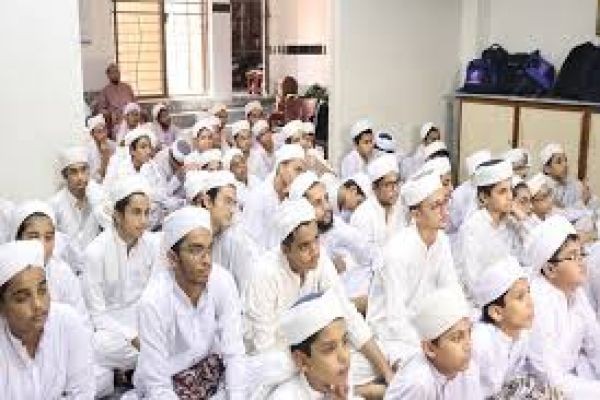
Finding the Best Islamic Schools in Pakistan for a Balanced Education
Choosing the right school is one of the most important decisions parents make for their children. Families often want an educational environment where academic learning is combined with Islamic values, moral development, discipline, and character building. The best Islamic schools in Pakistan aim to provide this balance by creating learning environments where students can develop academically while also understanding the principles, teachings, and values of Islam.
Islamic education does not have to exist separately from modern academic subjects. A well-structured Islamic school can provide students with opportunities to study subjects such as mathematics, science, English, computer studies, and social sciences while also learning Quran, Hadith, Seerah, Islamic studies, and Islamic manners. This combination can help students develop a broader understanding of education and their responsibilities toward family, society, and themselves.
What Makes the Best Islamic Schools in Pakistan Different?
The quality of an Islamic school depends on much more than the presence of an Islamic Studies class in the curriculum. A strong Islamic educational institution integrates ethical and religious values into everyday school life. Students are encouraged to develop honesty, respect, responsibility, patience, kindness, and discipline alongside their academic abilities.
The Best Islamic Schools in Pakistan generally focus on creating an atmosphere where students can learn through both classroom instruction and practical examples. Teachers can play an important role by demonstrating positive behavior and encouraging students to apply what they learn in real-life situations. This approach can make religious education more meaningful and help children understand that Islamic values are connected to everyday life.
Combining Modern Academics With Islamic Learning
Parents increasingly look for schools that can prepare children for the modern world without compromising their religious and cultural values. A balanced curriculum can help achieve this goal. Students can receive strong academic foundations while developing familiarity with Quranic teachings, Islamic history, moral principles, and religious practices.
Modern academic education can prepare students for higher studies and professional careers, while Islamic education can help strengthen their sense of responsibility and ethical decision-making. When both areas are thoughtfully integrated, students can develop intellectual skills without losing sight of personal character and moral conduct.
Quran Education in a Supportive School Environment
Quran education is an important part of many Islamic schools. Depending on the institution, students may study Quran reading, Tajweed, memorization, translation, and basic understanding of Quranic teachings. The teaching approach can vary according to the age and ability of students.
A supportive environment is especially important when children are learning Quran. Teachers can encourage students through patient instruction and age-appropriate learning methods. Instead of making religious studies feel disconnected from the rest of education, schools can help students understand how Quranic guidance relates to honesty, kindness, responsibility, family relationships, and social behavior.
Islamic Studies Beyond Traditional Classroom Lessons
Islamic education can cover a wide range of subjects and concepts. Students may learn about the life of Prophet Muhammad ﷺ, the history of Islam, Islamic manners, important personalities in Islamic history, and fundamental religious teachings.
Schools can make these lessons more engaging by connecting them with practical situations. For example, students can discuss the importance of honesty in academic work, respect for parents and teachers, kindness toward others, and responsible use of resources. Such lessons can help children understand that Islamic education is not limited to memorizing information.
Character Building as a Core Educational Goal
Academic achievement is important, but education should also contribute to the development of a student's personality. Character building is therefore an important feature of Islamic schooling. Students can be encouraged to practice good manners, respect different people, cooperate with classmates, and take responsibility for their actions.
An effective school environment can reinforce these qualities through classroom expectations, teacher behavior, extracurricular activities, and community-oriented projects. When students repeatedly experience positive values in their daily school life, those values can become part of their personal development.
Qualified Teachers Make a Major Difference
Teachers have a significant influence on a child's educational journey. In an Islamic school, educators need to understand both their academic responsibilities and the importance of creating a respectful learning environment. Strong teachers can explain difficult concepts clearly while also encouraging students to develop positive habits.
For Islamic subjects, teachers with appropriate religious knowledge and teaching experience can make lessons more meaningful. For academic subjects, qualified educators can ensure that students receive the knowledge and skills needed for future studies. The combination of academic expertise and ethical guidance can contribute greatly to the overall quality of an Islamic school.
A Positive Environment for Personal Growth
The school environment can influence how children think, communicate, behave, and interact with others. A positive Islamic school environment can provide students with opportunities to develop confidence while maintaining respect and discipline.
Students should feel encouraged to ask questions and express themselves appropriately. A healthy learning atmosphere can help children become more independent thinkers while providing them with a strong moral framework. This balance can be particularly valuable during the formative years when children are developing their personalities and understanding their responsibilities.
Islamic Schools and Modern Technology
Technology has become an important part of modern education. Islamic schools can also use digital tools to improve teaching and learning. Interactive presentations, educational software, digital libraries, online resources, and classroom technology can make lessons more engaging when used appropriately.
Technology can also provide students with access to educational resources beyond their textbooks. However, schools can simultaneously teach students responsible and ethical use of technology. Digital discipline, privacy awareness, appropriate online behavior, and responsible information consumption can become valuable parts of modern education.
Extracurricular Activities With Educational Value
Education extends beyond textbooks and classroom lectures. Sports, creative activities, public speaking, debates, science projects, reading programs, and community activities can help students discover their interests and develop important skills.
Islamic schools can organize extracurricular activities in ways that support their educational values. Students can participate in activities that encourage teamwork, confidence, creativity, leadership, and responsibility. These experiences can complement academic learning and help children develop into well-rounded individuals.
Preparing Students for Higher Education and Careers
A strong Islamic school should prepare students for future academic and professional opportunities. Religious education should not prevent students from developing the academic skills required for higher education. Instead, a balanced curriculum can give students a strong foundation in both areas.
Students may eventually pursue careers in medicine, engineering, business, information technology, education, law, science, or other fields. Academic preparation can help them compete successfully in their chosen areas, while Islamic values can provide an ethical framework for making responsible decisions throughout their professional lives.
Choosing an Islamic School According to Your Child's Needs
Every child has different learning needs, interests, personality traits, and educational goals. Parents should therefore consider whether a school's teaching approach and environment are suitable for their child. The school's academic curriculum, Islamic studies program, teaching standards, classroom environment, communication with parents, facilities, and overall educational philosophy can all be important considerations.
Parents may also want to understand how the school approaches Quran education, character development, discipline, extracurricular activities, and technology. Visiting the school and speaking with teachers or administrators can provide a better understanding of what the institution offers.
The Role of Parents in Islamic Education
School education is only one part of a child's development. Parents also have an important role in reinforcing positive habits and Islamic values at home. Children benefit when the messages they receive at school are supported by a consistent home environment.
Parents can encourage regular reading, respectful communication, honesty, responsibility, and good manners. They can also discuss Islamic teachings with their children and encourage them to ask questions. When parents and schools work together, children can receive stronger and more consistent guidance.
Islamic Education for a Confident Future Generation
The purpose of Islamic education is not simply to teach religious information. It can also help students understand their responsibilities, develop a sense of purpose, and build strong personal values. At the same time, modern academic education can provide the knowledge and skills needed to navigate an increasingly competitive world.
The Best Islamic Schools in Pakistan can contribute to this balanced development by creating educational environments where faith, knowledge, discipline, and personal growth are valued together. Such an approach can help students become academically capable while remaining conscious of their ethical responsibilities.
Why Choosing the Right School Matters
The school a child attends can influence educational habits, friendships, confidence, discipline, and long-term academic development. For families seeking Islamic education, the ideal institution should offer more than religious subjects. It should provide a complete educational environment that supports intellectual development, moral character, creativity, communication skills, and future ambitions.
A carefully selected Islamic school can give children a foundation that supports both their educational goals and personal values. Parents who take time to understand the school's curriculum, teaching approach, environment, and educational philosophy are better positioned to make an informed decision.
Build a Brighter Future With the Best Islamic Schools in Pakistan
The Best Islamic Schools in Pakistan can offer families an opportunity to combine modern academic education with Islamic learning and character development. By providing Quran education, Islamic studies, strong academic subjects, qualified teachers, positive environments, and opportunities for personal growth, these institutions can help students prepare for both educational success and responsible adulthood.
For parents, the right choice is ultimately the school that understands their child's needs and provides a balanced, respectful, and supportive learning environment. When academic excellence and Islamic values are developed together, students can gain not only knowledge but also the confidence, discipline, and character needed to make a meaningful contribution to their families and communities.






