
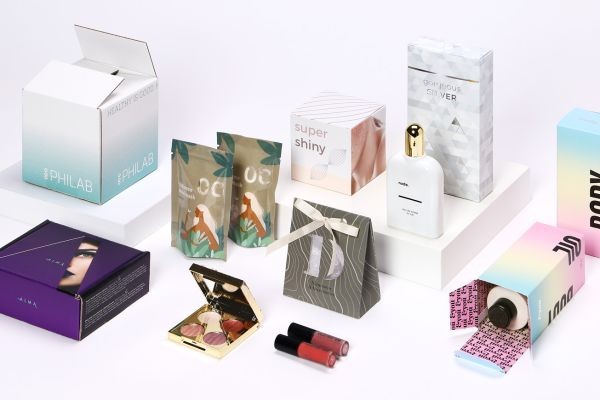
The cosmetics and skincare industry has one of the highest packaging sophistication levels of any U.S. consumer category. Product packaging in this space is simultaneously a brand communication vehicle, a product protection system, a regulatory compliance structure, and, for premium brands, a physical manifestation of the product's value proposition.
Getting packaging wrong in this category is expensive: it affects retail placement, conversion rate, return rates, and the fragile brand trust that skincare companies invest years in building. This guide covers the packaging formats, materials, and design decisions that matter most for cosmetics and skincare brands at various price points.
Understanding the Cosmetics Packaging Stack
Cosmetics packaging typically operates in two tiers: primary packaging (the container in direct contact with the product, a bottle, jar, tube, or compact) and secondary packaging (the outer box, bag, or carton that contains the primary package at retail). Most of this guide focuses on secondary packaging, the area where custom box and bag decisions are made.
The relationship between primary and secondary packaging must be considered together. A premium serum in a frosted glass dropper bottle deserves secondary packaging that amplifies its value signal. The same serum in a printed cardboard box that fits loosely and rattles undermines the entire brand positioning built into the primary package.
Rigid Boxes: The Standard for Luxury and Premium Skincare
Rigid boxes dominate secondary packaging in premium and luxury skincare for well-established reasons: structural permanence communicates durability and quality; surface finish options enable tactile brand experiences; and dimensional precision signals manufacturing care and attention.
Typical Rigid Box Specifications for Skincare
- Chipboard substrate: 2mm–3mm for standard retail; 3mm–4mm for ultra-premium
- Wrap paper: 128–157 GSM coated art paper with matte, soft-touch, or specialty laminate
- Finish: soft-touch laminate is the dominant finish in premium skincare packaging, the velvet texture at unboxing is a significant sensory signal
- Foil stamping: gold or rose gold foil on logo or brand mark, standard in prestige beauty
- Debossing: brand name or pattern pressed into the box surface, adds dimensional texture without color
A rigid box for skincare should fit the primary package with minimal clearance. Interior cushioning (foam insert, paper insert, or molded pulp tray) should hold the product securely without movement. The sound and feel of opening a well-made rigid box is a designed experience, not an accident.
The right packaging doesn't just protect, it sells. Consumer research shows that rigid box packaging in skincare increases perceived product value by 30–40% compared to identical products in standard cardboard cartons, and supports retail price premiums of similar magnitude.
Custom Kraft Packaging for Independent and Sustainable Beauty Brands
The clean beauty and indie skincare segment has developed a distinctive packaging aesthetic built on kraft paper, minimal print, natural materials, and explicit sustainability messaging. For brands in this space, Kraft packaging is not a budget decision; it is a brand strategy.
Kraft boxes, kraft mailers, and kraft-wrapped inner packaging communicate ingredient transparency, manufacturing ethics, and environmental responsibility. These are values that resonate deeply with the consumer demographic driving growth in natural and organic skincare.
Custom kraft packaging for skincare typically includes:
- Kraft folding cartons for individual product secondary packaging
- Kraft mailers with custom printing for e-commerce fulfillment
- Kraft tissue paper or shredded fill for interior packaging
- Sticker sealing rather than plastic tape to maintain eco credentials
Alpha Global Packaging offers custom Kraft packaging options for beauty brands with flexible order quantities, making sustainable branded packaging accessible to independent brands as well as established businesses.
Cardboard Folding Cartons: The Mid-Market Standard
Folding cartons, printed coated paperboard, die-cut and scored to fold into a box, are the dominant secondary packaging format in mass market, mid-tier, and prestige-accessible skincare. They balance cost efficiency with print quality and brand flexibility.
Specification Considerations for Skincare Cartons
- Board weight: 350–450 GSM for standard cartons; 600+ GSM for premium cartons with substantial feel
- Coating: C1S (coated one side), coated exterior for print quality, uncoated interior
- Print: typically offset lithography for mid-to-high volume; digital for short runs or personalization
- Finish: aqueous coating (most common, low cost), matte or gloss UV (premium), laminate (maximum durability)
Skincare cartons must accommodate required regulatory content, including full ingredient lists (INCI nomenclature), net weight, manufacturer information, and any required warnings. Small containers with many ingredients require either compact typography or supplemental leaflets.
Mylar Bags for Beauty Formats
While Mylar bags are not standard for skincare in the same way as for supplements, they have found application in specific beauty categories:
- Sheet masks: single-use sheet masks are universally packaged in individual Mylar pouches, the barrier properties protect the serum-saturated mask and extend shelf life
- Sample packets: sachet-format Mylar pouches for samples and travel sizes
- Hair care: hair color, keratin treatments, and chemical processing products use Mylar for barrier protection
For sheet mask brands, custom-printed Mylar sachets with foil finishes and high-impact graphics are a premium format that drives retail and e-commerce conversion.
Inserts and Interior Packaging
The interior of a cosmetics secondary package communicates as much as the exterior. Interior packaging options include:
- Foam inserts: EVA or polyethylene foam, thermoformed or die-cut to product shape, provides cushioning and security
- Molded pulp trays: sustainable, custom-formed pulp trays that conform to product shapes, used in sustainable luxury positioning
- Velvet-covered foam: premium feel for jewelry, fragrance, and gift packaging
- Printed leaflets: brand story, ingredient education, routine guidance, adds content value
U.S. Regulatory Requirements for Cosmetics Packaging
Cosmetics sold in the U.S. are regulated by the FDA under the Federal Food, Drug, and Cosmetic Act (FD&C Act). Key packaging compliance requirements include:
- Identity of cosmetic: product name must appear on the principal display panel
- Net contents declaration: quantity in both U.S. customary and metric units
- Ingredient labeling: INCI (International Nomenclature of Cosmetic Ingredients) names, listed in descending order of predominance
- Manufacturer information: name and address of manufacturer, packer, or distributor
The Fair Packaging and Labeling Act (FPLA) also applies to cosmetics, governing the placement and prominence of label content. SPF products are regulated as OTC drugs, not cosmetics, and carry additional labeling requirements.






