
The global energy landscape is currently undergoing a transformative shift toward cleaner, more sustainable fuel alternatives. Dimethyl Ether (DME) has emerged as a cornerstone of this transition, valued for its high cetane number, clean-burning properties, and versatility across industrial, residential, and transportation sectors. Whether synthesized from traditional fossil fuels or derived from renewable biomass, DME is increasingly recognized as a "bridge fuel" capable of reducing carbon footprints without requiring massive overhauls of existing infrastructure.
Strategic market data underscores the rapid acceleration of this sector. The Bio-based and Synthetic Dimethyl Ether Market size is expected to reach US$ 6.61 billion by 2031. Reflecting a robust demand for decarbonized energy solutions, the market is anticipated to register a CAGR of 7.7% during the forecast period of 2025–2031.
Request a Sample PDF of this Strategic Report: https://www.theinsightpartners.com/sample/TIPRE00003337
Market Report Drivers: Catalysts for Growth
The projected 7.7% growth rate is anchored in several high-impact drivers that are reshaping global energy consumption patterns:
1. Decarbonization of the Transportation Sector
DME is a high-efficiency alternative to diesel, producing virtually no particulate matter and zero sulfur oxides ($SO_x$) during combustion. As heavy-duty trucking and maritime industries face tightening emission standards (such as Euro VI), the demand for DME as a "drop-in" fuel has surged. Its ability to achieve high performance in compression-ignition engines makes it a strategic asset for fleet operators seeking to lower their scope 1 emissions.
2. LPG Blending for Sustainable Energy
One of the most significant immediate drivers is the use of DME as a blending agent for Liquefied Petroleum Gas (LPG). Because DME shares similar physical properties with LPG, it can be blended at rates up to 20% using existing distribution networks. This allows governments—particularly in the Asia-Pacific and European regions—to enhance energy security and reduce reliance on imported fossil fuels while providing cleaner cooking and heating solutions for residential users.
3. Expansion of Bio-DME Production Pathways
The shift from synthetic (fossil-based) to bio-based DME is a major growth driver. Innovations in biomass-to-DME conversion—utilizing agricultural waste, forestry residue, and municipal solid waste—allow for a circular economy approach. Bio-DME offers a significantly lower carbon intensity, making it highly attractive under regulatory frameworks like California’s Low Carbon Fuel Standard (LCFS) and the EU’s Renewable Energy Directive.
4. Aerosol Propellant Demand in Consumer Goods
Beyond energy, the chemical industry is driving DME growth through its application as an eco-friendly aerosol propellant. As the personal care, pharmaceutical, and paints and coatings industries move away from high-GWP (Global Warming Potential) propellants, DME's low toxicity and high purity have made it the preferred choice for sustainable product formulations.
Key Strategies and Market Trends
The competitive landscape is defined by long-term supply agreements and technological optimization:
-
Modular Production Facilities: To bypass infrastructure limitations, companies are trending toward small-scale, modular bio-DME plants. These "waste-to-fuel" modules can be deployed near feedstock sources (like dairy farms or municipal centers), reducing logistics costs and creating localized energy loops.
-
Green Hydrogen Integration: A critical trend is the synthesis of "E-DME" by combining green hydrogen with captured $CO_2$. This pathway not only produces a carbon-neutral fuel but also serves as an effective hydrogen carrier, facilitating the transport of energy in a stable, liquid form.
-
Strategic Partnerships: Energy giants are collaborating with waste management firms to secure consistent feedstock supplies, ensuring that bio-based production can scale to meet industrial demand by 2031.
Top Players in the Bio-based and Synthetic Dimethyl Ether Market
The industry is currently dominated by integrated energy companies and specialized renewable fuel producers:
-
Oberon Fuels, Inc.
-
Nouryon Chemicals Holding BV
-
Mitsubishi Gas Chemical Co., Inc.
-
Shell Plc
-
The Chemours Co.
-
Aerosolex
-
Merck KGaA
-
Jiangsu July Chemical Co., Ltd.
-
Sichuan Lutianhua Co., Ltd.
-
Grillo-Werke AG
Regional Analysis: Asia-Pacific Dominance
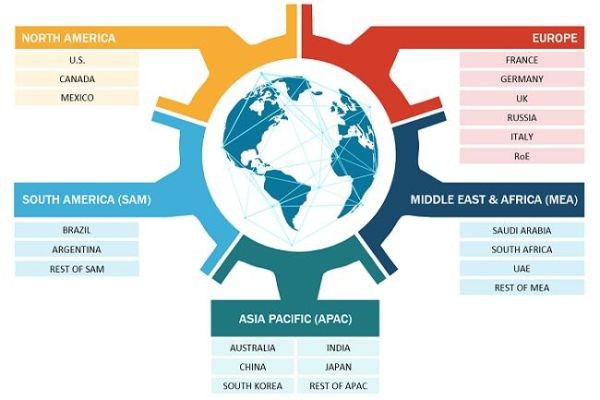
The Asia-Pacific region continues to lead the global market, accounting for a significant share of both production and consumption. Driven by large-scale LPG substitution programs in China, Indonesia, and India, the region benefits from abundant feedstock availability and aggressive government policies aimed at reducing fuel import dependency. Meanwhile, Europe and North America are expected to see the fastest growth in the bio-based segment, catalyzed by strict net-zero mandates and carbon-credit incentives.
About Us:
The Insight Partners is a one-stop industry research provider of actionable intelligence. We help our clients in getting solutions to their research requirements through our syndicated and consulting research services. We specialize in industries such as Chemicals and Materials, Energy and Power, Automotive and Transportation, and Biotechnology.
Contact Us:
If you have any queries about this report or if you would like further information, please contact us:
Contact Person: Ankit Mathur
E-mail: sales@theinsightpartners.com
Phone: +1-646-491-9876






