
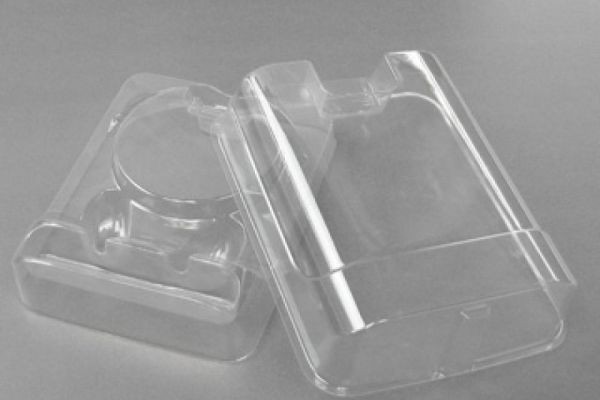
Blister Packaging Market Drivers
The blister packaging market has experienced robust growth over the past decade, fueled by a combination of technological innovation, evolving consumer preferences, and regulatory requirements. Its versatility and effectiveness in product protection, convenience, and branding have made it an integral solution across industries such as pharmaceuticals, consumer goods, electronics, and food. Understanding the key drivers behind this growth is essential for companies aiming to leverage market opportunities and maintain a competitive edge.
Pharmaceutical Industry Growth
The pharmaceutical sector remains the primary driver of blister packaging demand. Blister packs provide unit-dose packaging, ensuring precise medication distribution, contamination prevention, and extended shelf life.
The rise in chronic diseases, increasing aging populations, and growing awareness of healthcare and medication compliance have further boosted demand. Patients prefer blister packs for their portability, ease of dosage tracking, and safety features, while manufacturers benefit from improved storage and regulatory compliance.
Additionally, over-the-counter (OTC) medications, vitamins, and dietary supplements increasingly use blister packaging due to its convenience and protective properties. The pharmaceutical industry's continuous expansion, particularly in emerging markets, ensures sustained demand growth for blister packaging solutions.
Consumer Convenience and Safety
Consumer convenience and safety are major drivers in both pharmaceuticals and non-pharmaceutical sectors. Modern consumers demand easy-to-use, tamper-evident, and portable packaging. Blister packs meet these needs with peelable seals, child-resistant features, and resealable designs.
Safety is particularly crucial for products intended for children, elderly users, or sensitive applications. Packaging that prevents accidental ingestion or tampering enhances consumer trust and loyalty, driving continued adoption of blister solutions across diverse product categories.
Protection and Product Integrity
Blister packaging offers superior product protection against environmental factors such as moisture, oxygen, light, and physical damage. For pharmaceuticals, maintaining efficacy and potency is critical, and blister packs provide an ideal barrier.
In electronics and small consumer goods, blister packs protect items from mechanical damage, dust, and contamination while enabling clear product visibility. For food and confectionery, blister packs help maintain freshness, hygiene, and portion control. The high value placed on product integrity continues to drive demand across industries.
Technological Advancements
Technology has been a significant enabler for the blister packaging market. Automation, precision sealing, and high-speed production lines improve efficiency, reduce errors, and enable large-scale production.
Smart packaging is an emerging driver, particularly in pharmaceuticals, where QR codes, NFC tags, and interactive features provide dosage reminders, authenticity verification, and supply chain tracking. These innovations not only enhance consumer engagement but also create added functional value, encouraging wider adoption across sectors.
Material Innovations
Material development has played a critical role in driving blister packaging demand. Traditional PVC and aluminum have been complemented by multilayer films, PET, and eco-friendly alternatives.
Advanced materials offer enhanced barrier protection, durability, and sustainability. Biodegradable, recyclable, and compostable options are increasingly preferred as environmental concerns grow. Lightweight and flexible films reduce shipping costs and environmental footprint while maintaining product safety, making material innovation a key market driver.
Brand Visibility and Marketing Appeal
Blister packaging also serves as a marketing and branding tool, particularly in consumer goods and premium pharmaceutical products. Transparent or colorful blister packs allow products to be displayed clearly, enhancing shelf appeal.
Customizable shapes, colors, and printing options help brands differentiate themselves in competitive markets. Packaging that combines functionality with visual appeal can increase consumer engagement and drive repeat purchases, further propelling market demand.
Regulatory Compliance and Safety Standards
Strict regulatory requirements across industries are another important driver. Governments and oversight bodies mandate tamper-evident packaging, child-resistant closures, accurate labeling, and environmental compliance.
Blister packaging easily accommodates these requirements while providing protection and usability. Compliance-driven adoption ensures manufacturers maintain product safety, adhere to standards, and gain consumer trust, boosting the market's overall growth trajectory.
Growth in Emerging Markets
Emerging markets, especially in Asia-Pacific, Latin America, and the Middle East, are fueling demand for blister packaging. Expanding healthcare access, increasing disposable incomes, and rising retail penetration create new opportunities.
Local manufacturers and international companies are scaling operations to meet demand in these regions. Market drivers include healthcare infrastructure expansion, growing pharmaceutical production, and consumer adoption of packaged goods that require safe, convenient, and attractive packaging solutions.
E-Commerce and Retail Expansion
The rise of e-commerce and modern retail channels has further increased the demand for blister packaging. Online sales require packaging that protects products during transit, provides visibility, and is easy to handle.
Blister packs meet these requirements, especially for small consumer goods, electronics, and healthcare products. Packaging that combines protection with display appeal is particularly valuable in online marketplaces where first impressions influence purchasing decisions.
Future Outlook
Looking forward, the drivers of blister packaging demand are expected to remain strong. Technological innovation, sustainable materials, expanding healthcare access, consumer convenience, and regulatory compliance will continue to fuel growth.
Smart packaging, eco-friendly solutions, and design customization are anticipated to shape future trends. Companies that invest in innovation, operational efficiency, and sustainability initiatives are well-positioned to capture long-term opportunities across pharmaceuticals, consumer goods, electronics, and food sectors.
Conclusion
The blister packaging market is supported by multiple strong drivers, ranging from pharmaceutical growth and consumer safety to technological innovation and sustainability. Material advancements, regulatory compliance, and brand visibility further enhance demand across industries.
As emerging markets expand and e-commerce grows, the need for protective, convenient, and visually appealing packaging solutions will only increase. Companies that align with these drivers through innovation and strategic investment will maintain a competitive edge and thrive in the global blister packaging market.






