
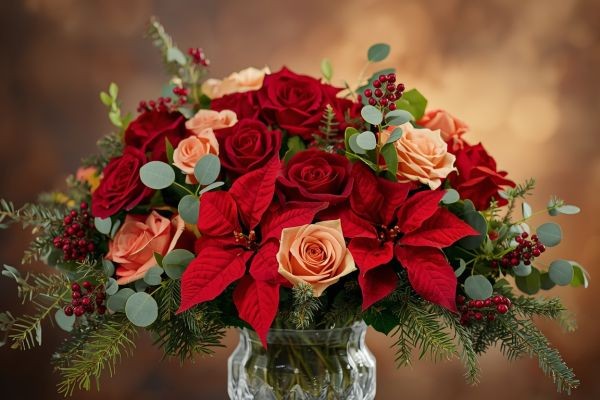
Flowers have always played a meaningful role in human life. They mark milestones, convey emotions, enhance living spaces, and connect us with nature in subtle yet powerful ways. Whether growing in a backyard garden, lining a city park, or arranged in a thoughtful bouquet, flowers influence our moods and memories more than we often realize. Understanding the diversity of popular floral varieties can deeply appreciate and help you make informed choices for gifting, decorating, or gardening.
In this in depth guide, we explore the world of familiar blossoms, their characteristics, symbolism, and everyday uses. If you are looking for a well researched reference on the subject, this detailed overview of common types of flowers provides a solid foundation and fits naturally into the broader discussion of floral diversity.
Why learning about familiar flower varieties matters
Flowers are not just decorative elements. They are living organisms with unique growth patterns, seasonal cycles, and cultural significance. Knowing more about widely recognized blooms allows you to choose the right flowers for specific purposes, whether that is expressing love, honoring remembrance, or simply bringing beauty into daily life.
For gardeners, this knowledge helps with plant selection and care. For event planners and gift givers, it ensures that the message conveyed through flowers aligns with the occasion. For anyone who appreciates nature, it adds another layer of meaning to something already beautiful.
A brief look at how flowers are classified
Before exploring individual blooms, it helps to understand how flowers are generally categorized. Botanists classify flowering plants based on structure, growth habit, and life cycle.
Annual flowers complete their life cycle within a single growing season. Biennials take two years to bloom, while perennials return year after year. Flowers are also grouped by plant type such as shrubs, bulbs, vines, or trees. These classifications influence where and how flowers grow and how they are used in gardens or arrangements.
Understanding these categories makes it easier to care for plants properly and to design balanced floral displays.
Popular garden blooms and their characteristics
Many of the flowers people recognize most easily are those commonly found in home gardens. These blooms are valued for their reliability, color range, and adaptability.
Roses are among the most iconic garden flowers. Known for their layered petals and fragrance, they come in countless varieties and colors. Each color carries its own symbolism, from romance to friendship to remembrance. Roses thrive in sunny conditions with proper pruning and care.
Tulips are spring favorites that grow from bulbs. Their clean lines and vibrant hues make them popular in both gardens and floral arrangements. Tulips symbolize renewal and are often associated with fresh beginnings.
Daisies are cheerful and uncomplicated in appearance. With their bright centers and simple petals, they represent innocence and positivity. Daisies are hardy plants that grow well in a variety of climates, making them a staple in many landscapes.
Sunflowers stand out for their size and warmth. Their large yellow faces follow the sun, a behavior known as heliotropism. Sunflowers symbolize loyalty and optimism and are often grown both ornamentally and agriculturally.
Flowers commonly used in bouquets and arrangements
Florists often rely on certain blooms because of their durability, visual appeal, and symbolic meaning. These flowers are frequently chosen for celebrations, condolences, and everyday gifting.
Lilies are elegant and striking, often used as focal points in arrangements. They are associated with purity and renewal, making them common choices for both weddings and memorials. Their strong fragrance and long lasting blooms add to their appeal.
Carnations are versatile and affordable flowers known for their ruffled petals. They last a long time after cutting, which makes them practical for arrangements. Carnations are often used to express admiration and gratitude.
Gerbera daisies bring bold color and a modern look to bouquets. Their large blooms and bright shades convey happiness and cheer, making them ideal for birthdays and congratulatory occasions.
Orchids offer an exotic touch. With their intricate shapes and long lasting flowers, orchids symbolize refinement and strength. They are popular as both cut flowers and potted plants for indoor spaces.
Wildflowers and their natural charm
Not all beloved flowers come from cultivated gardens. Wildflowers grow naturally in fields, meadows, and along roadsides. Their beauty lies in their simplicity and connection to local ecosystems.
Poppies are known for their delicate petals and vivid colors. They often symbolize remembrance and peace. Poppies thrive in open spaces and are valued for their ability to reseed easily.
Bluebells create stunning displays when they bloom en masse. Their bell shaped flowers and soft colors evoke tranquility. Bluebells are often associated with humility and gratitude.
Black eyed Susans are hardy wildflowers with bright yellow petals and dark centers. They are resilient and attract pollinators, making them important for biodiversity.
Wildflowers as a group support local wildlife, including bees and butterflies. Incorporating them into gardens can help promote ecological balance while adding natural beauty.
Seasonal flowers and what they represent
Different flowers bloom at different times of the year, and each season brings its own palette of colors and meanings.
Spring flowers such as daffodils and hyacinths symbolize renewal and hope. Their appearance marks the end of winter and the beginning of growth.
Summer blooms like zinnias and cosmos thrive in warm weather and represent vitality and joy. These flowers often feature bright colors and long blooming periods.
Autumn flowers including chrysanthemums are associated with abundance and reflection. Their rich hues complement the changing foliage of fall.
Winter flowers such as poinsettias and hellebores bring color to colder months. They are often linked with celebration and resilience.
Understanding seasonal availability helps with planning gardens and choosing flowers that will thrive at specific times of year.
Cultural meanings attached to everyday blooms
Across cultures, flowers carry symbolic meanings that influence how they are used. These meanings have developed over centuries through folklore, religion, and tradition.
In many cultures, white flowers are associated with purity and peace, while red flowers often represent passion and strength. Yellow flowers can symbolize friendship or joy, though meanings may vary by region.
For example, chrysanthemums are symbols of honor in some cultures and are used in celebrations, while in others they are associated with mourning. Knowing these cultural nuances can help avoid misunderstandings and ensure respectful choices.
Choosing the right flowers for different occasions
Selecting flowers is both an art and a thoughtful gesture. The occasion, recipient, and message all play a role in making the right choice.
For romantic gestures, flowers with deep symbolism and rich colors are often preferred. For celebrations, bright and cheerful blooms convey happiness. For sympathy, softer colors and understated arrangements express compassion and respect.
Beyond symbolism, practical considerations such as fragrance sensitivity, longevity, and ease of care should also be taken into account.
Caring for flowers at home
To enjoy flowers for as long as possible, proper care is essential. This applies to both garden plants and cut arrangements.
Most flowering plants need adequate sunlight, appropriate watering, and well draining soil. Overwatering is a common mistake that can damage roots and reduce blooming.
Cut flowers last longer when stems are trimmed at an angle, water is changed regularly, and arrangements are kept away from direct heat or sunlight.
Learning basic care techniques helps preserve beauty and ensures that flowers continue to bring joy over time.
How flowers influence mood and well being
Research has shown that flowers can have a positive impact on mental and emotional health. Their colors, scents, and natural forms contribute to relaxation and happiness.
Having flowers in living or working spaces can reduce stress and improve focus. Gardening itself is often used as a therapeutic activity, promoting mindfulness and physical activity.
This connection between flowers and well being highlights why they have remained an integral part of human life throughout history.
The lasting appeal of everyday floral beauty
Flowers continue to captivate people because they combine visual beauty with deep meaning. They are accessible, diverse, and endlessly fascinating. By learning about the flowers we encounter most often, we gain a greater appreciation for their role in our lives and the natural world.
Frequently Asked Questions
What makes certain flowers more popular than others
Flowers that are easy to grow, widely available, and visually appealing tend to become more popular. Their adaptability and symbolic meanings also contribute to widespread use.
Are everyday flowers suitable for special occasions
Yes, familiar blooms are often chosen for special events because they are recognizable and meaningful. The key is selecting colors and arrangements that suit the occasion.
Can I grow popular flowers at home without much experience
Many widely known flowers are beginner friendly. With basic care and attention to sunlight and watering, even new gardeners can succeed.
How do I choose flowers that last longer after cutting
Look for blooms with firm petals and healthy stems. Proper care, including clean water and regular trimming, can significantly extend their lifespan.
Do flowers really affect mood
Yes, studies suggest that flowers can improve mood, reduce stress, and create a more positive environment, making them beneficial beyond their appearance.
By understanding the richness behind everyday flowers, you transform simple blooms into meaningful expressions of beauty, culture, and connection.






