
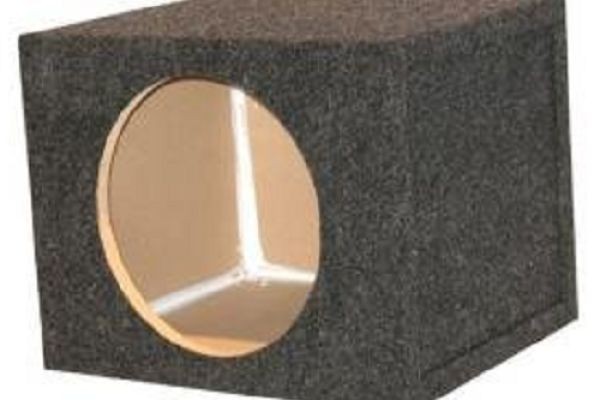
A great car audio system is built on more than just high-quality speakers and a powerful amplifier. One of the most overlooked yet essential components is the speaker enclosure. While many enthusiasts spend countless hours comparing speaker brands and amplifier specifications, the enclosure often determines whether those components reach their full potential.
Choosing the right box for speakers 12 can dramatically improve bass response, sound accuracy, efficiency, and the overall listening experience. Whether you're installing a single 12-inch speaker, building a dual-subwoofer system, or upgrading your factory audio setup, the enclosure serves as the acoustic foundation that shapes every low-frequency note.
This comprehensive guide explores everything you need to know about selecting the perfect enclosure, including box types, construction materials, sizing, installation techniques, and expert tips to help you build a powerful and reliable car audio system.
Why the Speaker Box Is Just as Important as the Speaker
A speaker enclosure is much more than a protective housing. It is a carefully engineered acoustic chamber that controls airflow behind the speaker cone.
A properly designed box for speakers 12 helps:
- Improve bass depth
- Increase sound clarity
- Control cone movement
- Reduce distortion
- Protect speaker components
- Maximize amplifier efficiency
Without a properly matched enclosure, even premium speakers may sound weak or unbalanced.
Understanding How a Speaker Box Works
When a speaker moves, it creates sound waves from both the front and rear of the cone.
Without an enclosure:
- Rear sound waves interfere with front sound waves.
- Bass frequencies cancel each other.
- Overall output decreases.
- Audio becomes muddy and inconsistent.
A quality box for speakers 12 isolates these sound waves, allowing the speaker to reproduce bass more efficiently while maintaining clarity throughout the frequency range.
Types of 12-Inch Speaker Enclosures
Different enclosure designs produce different sound characteristics.
Understanding these differences is the first step toward choosing the right enclosure.
Sealed Enclosures
Sealed boxes create an airtight chamber around the speaker.
Benefits
- Tight, accurate bass
- Excellent transient response
- Compact dimensions
- Low distortion
- Smooth frequency response
Sealed enclosures are ideal for listeners who value balanced, natural sound over maximum loudness.
Ported Enclosures
Ported boxes include a tuned vent that increases efficiency and bass output.
Advantages
- Louder bass
- Greater low-frequency extension
- Improved efficiency
- More impactful sound
A ported box for speakers 12 is perfect for listeners who enjoy bass-heavy music and want maximum output.
Bandpass Enclosures
Bandpass boxes combine sealed and ported chambers.
Benefits include:
- Extremely high output
- Increased efficiency within a specific frequency range
- Strong bass emphasis
These designs are often chosen for competition systems or listeners seeking maximum volume.
Choosing the Right Enclosure Size
Internal air volume has a significant influence on performance.
An enclosure that's too small may cause:
- Limited bass extension
- Increased distortion
- Restricted cone movement
- Reduced efficiency
An enclosure that's too large may result in:
- Loose bass
- Reduced control
- Poor transient response
- Decreased sound accuracy
Every box for speakers 12 should match the manufacturer's recommended enclosure volume for the specific speaker being installed.
Selecting the Best Construction Material
The enclosure material directly affects sound quality and durability.
MDF (Medium Density Fiberboard)
MDF remains the industry standard.
Benefits include:
- High density
- Excellent vibration control
- Smooth acoustic characteristics
- Easy customization
- Cost-effective construction
Most premium enclosures are built using ¾-inch MDF for maximum rigidity.
Birch Plywood
Birch plywood offers an excellent balance of strength and weight.
Advantages include:
- Lightweight design
- High durability
- Improved moisture resistance
- Excellent structural stability
This material is especially popular in custom and competition builds.
Fiberglass
Fiberglass enclosures are commonly used for custom vehicle installations.
Benefits include:
- Custom-fit designs
- Maximum space utilization
- Lightweight construction
- Premium appearance
Although more expensive, fiberglass provides unmatched installation flexibility.
Matching the Box to Your Listening Style
Different drivers have different expectations from their audio systems.
If You Prefer Clean, Balanced Audio
Choose a sealed enclosure.
Ideal for:
- Rock
- Jazz
- Country
- Classical
- Acoustic music
If You Want Maximum Bass Output
Choose a ported enclosure.
Excellent for:
- Hip-hop
- EDM
- Trap
- Electronic music
- Bass-heavy playlists
Selecting the proper box for speakers 12 based on your listening habits produces a much more satisfying audio experience.
Single vs Dual 12-Inch Enclosures
Your system goals determine whether a single or dual enclosure is the better choice.
Single Speaker Box
Advantages include:
- Lower cost
- Easier installation
- Reduced power requirements
- Saves cargo space
Ideal for daily drivers seeking balanced performance.
Dual Speaker Box
Benefits include:
- Higher output
- Greater bass impact
- Increased sound pressure
- Better coverage for larger vehicles
Dual systems typically require more amplifier power and electrical capacity.
Importance of Internal Bracing
High-output bass creates tremendous pressure inside the enclosure.
Internal bracing helps:
- Strengthen cabinet walls
- Reduce unwanted vibrations
- Improve sound accuracy
- Extend enclosure lifespan
Premium box for speakers 12 designs often include internal reinforcement for greater structural stability.
Proper Enclosure Placement
Where you position the enclosure affects bass response throughout the cabin.
Common configurations include:
Rear-Facing
Produces:
- Strong bass reinforcement
- Deep low-frequency extension
- Excellent performance in sedans
Forward-Facing
Offers:
- Balanced bass response
- Improved integration with cabin speakers
- Cleaner overall sound
Upward-Facing
Ideal for:
- SUVs
- Hatchbacks
- Limited cargo space
- Custom installations
Testing different positions helps identify the best configuration for your specific vehicle.
Installation Tips for Maximum Performance
A properly installed enclosure performs significantly better.
Best practices include:
- Secure the enclosure firmly
- Use high-quality speaker wire
- Maintain correct polarity
- Ensure airtight seals
- Tighten all mounting hardware evenly
- Protect wiring from sharp edges
Attention to installation details helps your box for speakers 12 deliver consistent, distortion-free bass.
Reduce Vehicle Vibrations
Powerful bass can cause unwanted rattles throughout the vehicle.
Installing sound-deadening materials on:
- Doors
- Floor panels
- Trunk lid
- Rear quarter panels
helps reduce vibrations while improving bass clarity and overall cabin comfort.
Amplifier Matching Matters
Your enclosure performs best when paired with the correct amplifier.
Consider:
- RMS power rating
- Speaker impedance
- Amplifier stability
- Gain settings
- Crossover frequency
Proper amplifier tuning prevents clipping and protects your equipment.
Common Buying Mistakes
Many buyers make avoidable mistakes when selecting an enclosure.
Avoid:
- Buying based only on appearance
- Ignoring enclosure volume recommendations
- Using thin construction materials
- Choosing the wrong enclosure type
- Purchasing oversized boxes without measuring vehicle space
- Overlooking build quality
Taking time to evaluate these factors helps ensure long-term satisfaction.
Long-Term Maintenance Tips
A quality enclosure requires very little maintenance, but periodic inspections help preserve performance.
Check regularly for:
- Loose mounting screws
- Damaged wiring
- Air leaks
- Water exposure
- Carpet wear
- Terminal corrosion
Routine maintenance keeps your box for speakers 12 performing like new for years.
Why a Quality Enclosure Is a Worthwhile Investment
Although inexpensive enclosures may appear similar, premium designs provide significant long-term advantages.
Higher-quality enclosures typically offer:
- Better acoustic performance
- Stronger materials
- Greater durability
- Reduced vibration
- Improved bass accuracy
- Longer speaker life
Investing in a well-built enclosure protects your speakers while maximizing every watt of amplifier power.
Final Thoughts
Choosing the right box for speakers 12 is one of the most important decisions you'll make when upgrading your car audio system. The enclosure determines how efficiently your speakers perform, how accurately bass is reproduced, and how reliable your system remains over years of use.
Whether you choose a compact sealed design for clean, detailed bass or a ported enclosure for maximum low-frequency output, selecting a high-quality box that matches your speakers, amplifier, and vehicle ensures exceptional results. By focusing on proper sizing, durable construction, careful installation, and routine maintenance, you'll enjoy a powerful, balanced, and immersive audio experience every time you get behind the wheel.






