
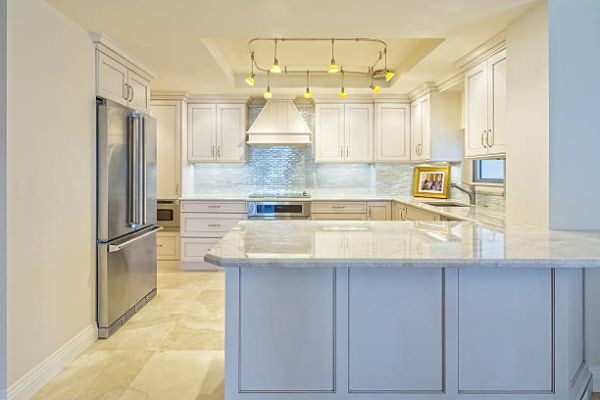
Cabinet painting can change the appearance of a kitchen or bathroom without requiring a complete cabinet replacement. The final result, however, depends heavily on preparation, coating selection, application technique, and the condition of the existing finish. Homeowners researching Cabinet Painting Services in Idaho [https://blumacawpropaint.com/services/cabinet-painting/] often compare prices first, yet project scope can vary substantially between properties. Cabinets with grease buildup, damaged surfaces, glossy coatings, or heavy wear require more preparation than clean, stable cabinets. A detailed assessment helps establish realistic costs and expectations before work begins.
What Affects Cabinet Painting Cost
Cabinet painting prices depend on more than the number of cabinets. Door count, drawer fronts, cabinet construction, existing finish, repairs, hardware removal, and application method can all influence labor.
A kitchen with twenty doors and several drawer fronts may require considerably more work than a smaller cabinet layout with fewer components. Detailed profiles also take additional preparation and application time because paint must reach edges and recessed areas evenly.
Homeowners comparing kitchen cabinet painting Idaho should ask whether the estimate includes:
- Door and drawer removal
- Cleaning and degreasing
- Sanding or surface preparation
- Primer
- Finish coats
- Hardware handling
- Final installation and touch-ups
A lower estimate may exclude preparation that another contractor has already included.
Preparation Before the Finish
Cabinets accumulate residue that ordinary wall surfaces do not. Kitchen cabinets can develop grease and cooking film, while bathroom cabinets may experience moisture and frequent handling. These contaminants can interfere with adhesion if they remain on the surface.
Preparation typically starts with cleaning and degreasing. Existing loose or failing coating must be addressed before sanding and priming. Minor imperfections may require filling, followed by additional sanding to create a suitable surface.
Doors and Frames
Cabinet doors can be removed so both sides and their edges can be prepared consistently. Frames require careful masking and protection because they remain attached to the cabinetry.
Hardware removal can also improve the finished appearance. Knobs, pulls, hinges, and other fittings should be labeled when removed so they can return to their original locations.
For cabinet refinishing Idaho, the condition of the existing coating should determine how extensive preparation needs to be rather than assuming every cabinet requires identical treatment.
Choosing the Right Coating
Cabinets need a coating capable of handling repeated opening, closing, cleaning, and contact. A wall paint selected for low-contact surfaces is not automatically suitable for cabinetry.
Coating selection should account for the cabinet substrate, existing finish, expected use, and desired sheen. Satin and semi-gloss finishes are commonly considered for cabinetry because they can provide a balance between appearance and cleanability.
Color also affects the project. A major change from dark wood or a deep existing color to white or another pale shade may require additional primer or finish coverage. Testing the selected color before full application can help prevent costly changes later.
Application Methods
Brushes, rollers, and spray equipment can all be used for cabinet work, but each method produces different application characteristics.
Spraying can provide a smooth finish when the workspace, masking, equipment, and coating are properly controlled. Brushing and rolling can provide useful control for frames and smaller sections.
The application method should be selected according to the cabinet material, layout, coating specifications, and desired finish. Thin, controlled coats are generally preferable to applying excessive material in an attempt to achieve coverage quickly.
Drying and Reassembly
Cabinet doors should not be reinstalled immediately after painting simply because the surface appears dry. Drying and curing are different stages, and the coating may need additional time before it can withstand repeated handling.
The product manufacturer's instructions should determine recoating and handling intervals. Temperature, humidity, ventilation, and coating thickness can influence drying conditions.
A rushed reassembly can result in sticking doors, damaged edges, fingerprints, or impressions around hardware. Allowing adequate curing time protects the finish during the first days of use.
Choosing a Painting Provider
A cabinet project should be evaluated through the same practical criteria used for any specialized painting service. The estimate should explain preparation, materials, application method, hardware handling, protection, cleanup, and expected timing.
Blu Macaw Pro Painting [https://blumacawpropaint.com/] can be evaluated using those criteria when homeowners compare cabinet painting providers. A detailed proposal makes it easier to identify exactly what the quoted price covers.
Estimate Details
Before approving cabinet work, homeowners should clarify:
- Whether doors and drawers are removed
- How existing finishes will be prepared
- Which primer and coating system will be used
- Whether hardware removal is included
- Where painting will take place
- How long doors will remain off the cabinets
These details can prevent differences between the expected project and the completed scope.
Protecting the Work Area
Cabinet painting requires careful protection because kitchens and bathrooms contain countertops, appliances, flooring, plumbing fixtures, and other finished surfaces.
Doors may be transported to a controlled workspace when appropriate, while fixed cabinet frames can require extensive masking. Nearby countertops and floors should be protected from sanding dust and paint residue.
Good organization also reduces disruption. Homeowners may need to remove food, dishes, small appliances, and personal items from the work area before preparation begins.
When Painting Makes Financial Sense
Painting can be a practical alternative when cabinet boxes and doors remain structurally sound, but the existing color or finish is outdated. Replacement may be more appropriate when cabinetry has severe water damage, failing construction, or significant structural problems.
For cabinet door painting Idaho, the condition of the doors should be assessed separately from the cabinet boxes. A project may require repairs before coating, particularly when edges have swollen or previous finishes have failed.
The decision should therefore consider both appearance and the physical condition of the cabinetry.
Questions Homeowners Commonly Ask
Can laminate cabinets be painted?
Some laminate surfaces can be coated when they are structurally sound and properly prepared. Adhesion requirements can differ from those of wood, so the existing surface should be assessed before work begins.
Does cabinet painting work with stained wood?
Stained wood can often be painted, but cleaning, surface preparation, and primer selection become especially important when changing from a stained finish to an opaque color.
Should cabinet hardware be replaced during painting?
Replacement is optional. Existing hardware can be reused when it remains functional, while new hardware can be installed if the homeowner wants a different appearance or layout.
Can cabinet interiors be painted too?
They can be, but interior cabinet painting adds preparation, coating, drying time, and additional labor. The scope should specifically identify whether interiors are included.
How often do painted cabinets need touch-ups?
There is no universal schedule. Wear depends on household use, cleaning practices, coating quality, and the condition of the underlying cabinetry.
Is cabinet painting suitable for rental properties?
It can be practical when cabinets remain structurally sound and an updated appearance is desired without full replacement. Durability requirements and project costs should be evaluated against the property's expected use.
A Better Cabinet Investment
Cabinet painting works best when cost is evaluated alongside preparation and coating requirements. Sound cabinets can often receive a new appearance without complete replacement, but the surface must be properly cleaned, prepared, primed where required, and coated with a product suited to repeated use.
A detailed estimate gives homeowners a clear basis for comparing services, planning temporary kitchen disruption, and selecting an appropriate finish. For cabinetry that remains structurally sound, careful preparation and controlled application can make the existing investment useful for many more years.






