
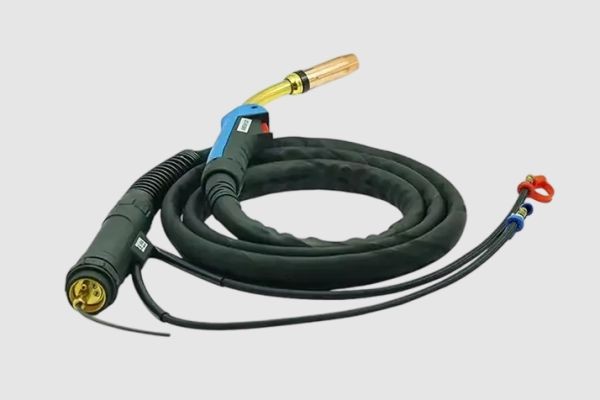
Choosing a welding torch isn't quite the same as picking up a hand tool from a hardware shelf. The torch is a precision instrument that manages combustible gases or high-current electrical arcs, and the manufacturer behind it carries responsibility for engineering decisions that affect both performance and operator safety. Understanding what a serious welding torch manufacturer actually does — and what distinguishes one from another — helps buyers make more informed decisions rather than defaulting to whatever happens to be in stock.
Material sourcing is one area where welding torch manufacturers diverge considerably. Torch bodies, handles, and head assemblies made from high-grade brass, copper, and stainless steel components behave predictably under thermal cycling and resist the corrosion that gas exposure and workshop environments promote over time. Manufacturers who cut costs at the material sourcing stage often produce torches that perform adequately initially but degrade faster, with threads that strip, seals that fail prematurely, and bodies that develop micro-cracks after extended thermal stress. The difference isn't always visible at purchase — it shows up over months of regular use.
Ergonomic development has become a more prominent focus for welding torch manufacturers in recent years, driven partly by greater awareness of repetitive strain injuries among professional welders. A torch that a welder holds for hours each day needs a handle shape, weight distribution, and trigger or valve placement that reduces fatigue and maintains control without requiring uncomfortable grip positions.
Customization capabilities separate manufacturers who serve industrial and specialized applications from those focused purely on the general market. Shipbuilding, pipeline construction, aerospace fabrication, and automotive manufacturing each place specific demands on welding equipment — particular cable lengths, specialized nozzle geometries, high-duty-cycle ratings, or compatibility with specific wire diameters and shielding gas mixtures. A welding torch manufacturer with genuine engineering capacity can develop variants that address these requirements rather than asking the customer to adapt their process to a standard product.






