
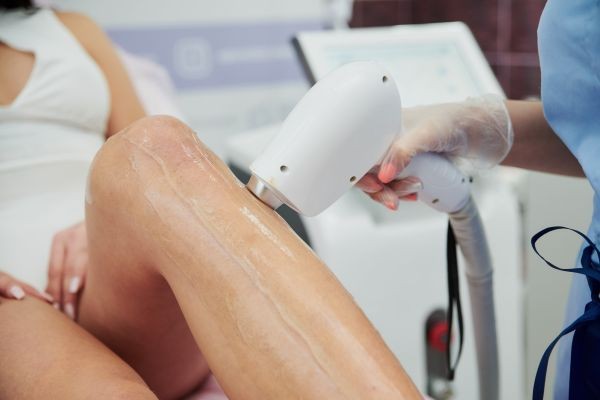
Ingrown hair can cause more than temporary bumps. Repeated shaving, waxing, or plucking may contribute to recurring irritation, redness, dark marks, and rough-looking skin in areas prone to ingrown hairs. For people considering Laser Hair Removal In Islamabad, reducing the amount of unwanted hair may help decrease the frequency of shaving and, over time, make the appearance of ingrown hairs and related skin irritation less noticeable.
What Is an Ingrown Hair?
An ingrown hair develops when a hair grows back into the skin instead of emerging normally through the surface.
It can happen when a shaved, waxed, or plucked hair becomes trapped or changes its direction as it grows.
Ingrown hairs may appear as small red or skin-colored bumps. Some can become tender or inflamed, while others may cause itching or leave behind dark marks after they heal.
They are particularly common in areas where hair is coarse or curly and where frequent hair removal is performed.
Why Do Ingrown Hairs Develop?
Several factors can contribute to ingrown hairs.
Common contributors include:
- Shaving too closely
- Waxing or plucking
- Coarse or curly hair
- Frequent hair removal
- Friction from clothing
- Skin irritation
- Hair growing at an unusual angle
- Naturally dense hair growth
When hair repeatedly grows back after conventional hair-removal methods, the cycle of irritation and ingrown hairs can continue.
Reducing hair growth may therefore help some people experience fewer recurring problems.
How Laser Hair Removal May Help
Laser hair removal works by directing controlled light energy toward the pigment in the hair.
The energy is absorbed by the hair and converted into heat, which can affect the targeted follicle.
Over a series of treatments, this can lead to a reduction in hair growth for many patients.
When fewer hairs grow back, there may be fewer opportunities for hairs to become trapped beneath the skin.
This is one reason laser hair removal is often considered by people who experience recurring ingrown hairs.
Can Laser Hair Removal Make Ingrown Hair Less Noticeable?
It can help reduce the conditions that contribute to recurring ingrown hairs, but it does not instantly remove existing ingrown hairs.
As hair growth decreases over multiple sessions, patients may notice fewer new bumps developing.
The skin may also appear smoother because there is less frequent shaving or waxing.
However, results vary according to hair type, skin characteristics, treatment area, hormonal factors, and individual response.
Laser treatment should therefore be viewed as a gradual hair-reduction approach rather than an immediate cure for every ingrown hair.
Why Shaving Can Contribute to the Problem
Shaving cuts the hair close to the skin surface.
For some people, especially those with coarse or curly hair, the newly cut hair may grow back toward the skin rather than directly outward.
Repeated shaving can therefore contribute to a cycle of bumps and irritation.
Laser hair removal may reduce the need for frequent shaving by decreasing hair growth over time.
What Happens to Existing Ingrown Hairs?
Laser hair removal is primarily designed to target hair follicles rather than directly treat inflamed or infected bumps.
If an ingrown hair is painful, swollen, filled with pus, or appears infected, it may require appropriate medical assessment.
Patients should avoid aggressively squeezing or picking at inflamed bumps because this can increase irritation and the risk of scarring.
A healthcare professional can advise on appropriate treatment when persistent inflammation is present.
Which Areas Commonly Develop Ingrown Hairs?
Ingrown hairs can occur anywhere hair grows, but some areas are more prone to them.
| Treatment area | Why ingrown hairs may occur |
|---|---|
| Face and neck | Frequent shaving and coarse hair |
| Underarms | Shaving, friction, and hair direction |
| Bikini area | Coarse hair and friction |
| Legs | Shaving and dry or irritated skin |
| Chest | Coarse hair and repeated grooming |
| Back | Hair density and friction |
The appropriate laser approach may differ depending on the area being treated.
Hair Type Can Influence Laser Response
Laser energy is generally absorbed more effectively by pigmented hair.
Coarser, darker hair may respond differently from very fine or lightly pigmented hair.
Very light, white, grey, or some red hairs may respond less effectively to certain laser technologies because they contain less of the pigment that the laser targets.
A professional assessment can help determine whether the patient's hair characteristics are suitable for the selected treatment.
Skin Tone Also Matters
The laser must target the hair while minimizing unnecessary absorption by surrounding skin.
For patients with darker skin tones, careful selection of laser technology and treatment parameters is particularly important.
A qualified provider can assess skin tone and hair characteristics before selecting an appropriate approach.
Individualized settings can help balance effective hair reduction with skin safety.
Does Laser Hair Removal Prevent Every Ingrown Hair?
No.
Laser hair removal can reduce hair growth, which may lower the likelihood of future ingrown hairs, but it cannot guarantee that every ingrown hair will disappear permanently.
New hair growth can occur, and individual follicles may respond differently to treatment.
Hormonal changes can also influence hair growth, particularly in areas such as the face and neck.
Maintenance sessions may sometimes be recommended depending on the individual's response.
How Many Sessions Are Usually Needed?
Laser hair removal generally requires multiple sessions because hair follicles grow through different stages.
The laser is most effective when the targeted hair is in an appropriate active growth phase.
Because follicles are not synchronized, one session cannot effectively target every follicle.
The number of sessions varies depending on:
- Hair thickness
- Hair color
- Skin tone
- Treatment area
- Hair density
- Hormonal influences
- Individual response
Progress is usually evaluated over the course of treatment rather than after a single session.
Why Results May Differ Between Body Areas
It is normal for one area to respond more quickly than another.
Facial hair may behave differently from leg or underarm hair because of hormonal sensitivity, hair thickness, and growth patterns.
Similarly, the bikini area may have coarse hair that responds differently from finer hair on the arms.
These variations do not necessarily indicate a problem with treatment.
Can Laser Treatment Improve the Appearance of Dark Marks?
Ingrown hairs can sometimes leave temporary or persistent dark marks after inflammation heals.
By reducing future hair growth and potentially reducing the need for repeated shaving, laser hair removal may indirectly help reduce the repeated irritation that contributes to new marks.
However, existing pigmentation is a separate concern and may require a different skincare or dermatological approach.
Patients should not assume that laser hair removal will automatically remove established pigmentation.
Preparing for Laser Hair Removal
Preparation depends on the laser system and treatment protocol.
Patients may be advised to shave the treatment area before an appointment while avoiding waxing or plucking for a specified period.
Waxing and plucking remove the hair from the follicle, whereas shaving leaves the follicle beneath the skin.
Patients should follow the specific preparation instructions provided by their treatment provider.
Aftercare for Skin Prone to Ingrown Hairs
After treatment, the skin may be temporarily sensitive.
Following recommended aftercare can help minimize unnecessary irritation.
Patients may be advised to avoid excessive heat, friction, and sun exposure for a period after treatment.
Once the skin has settled, gentle skincare may help maintain a comfortable skin surface.
Aggressive exfoliation or picking at bumps should generally be avoided unless specifically recommended by a healthcare professional.
When Should You Seek Medical Advice?
Not every bump is an ingrown hair.
Persistent, painful, spreading, or pus-filled bumps may indicate inflammation or infection and should be evaluated appropriately.
Patients should also seek professional advice if recurring bumps are leaving significant scars or pigmentation.
A healthcare professional can determine whether the issue is actually caused by ingrown hairs or another skin condition.
FAQs About Ingrown Hair and Laser Hair Removal
Can laser hair removal reduce ingrown hairs?
It may. By reducing hair growth over time, laser treatment can reduce the number of hairs available to become trapped beneath the skin.
Does laser hair removal remove existing ingrown hairs?
Laser treatment primarily targets hair follicles. Existing inflamed or infected bumps may require separate medical care.
Is laser better than shaving for people prone to ingrown hairs?
For some people, reducing hair growth can mean less frequent shaving and fewer opportunities for ingrown hairs to develop.
Can laser hair removal completely prevent ingrown hairs?
No. It can reduce hair growth and may lower the frequency of ingrown hairs, but complete prevention cannot be guaranteed.
Why do I keep getting ingrown hairs after shaving?
Close shaving can leave short hairs that may grow back toward the skin, particularly when hair is coarse or curly.
Can ingrown hairs cause dark spots?
Yes. Inflammation caused by recurring ingrown hairs can sometimes leave temporary or persistent pigmentation.
Does laser hair removal work on all hair colors?
Laser response depends partly on hair pigment. Very light, grey, or white hair may respond poorly to some laser technologies.
How many laser sessions are needed?
The number varies according to hair characteristics, skin tone, treatment area, and individual response. Multiple sessions are generally required.
A Smoother Approach to Managing Recurring Ingrown Hairs
Ingrown hairs can become a recurring concern when frequent shaving, waxing, or plucking repeatedly irritates the skin. Laser hair removal may help by gradually reducing hair growth, potentially decreasing the need for frequent grooming and reducing the number of hairs that can become trapped beneath the skin.
However, results vary, and existing inflamed or infected ingrown hairs may require separate treatment. A proper assessment of skin tone, hair type, treatment area, and previous hair-removal habits can help determine whether laser treatment is a suitable option.
If recurring ingrown hairs are affecting your skin's appearance or making hair removal frustrating, consulting a qualified team at Dynamic Aesthetic Clinic can help you understand your options and develop a personalized hair-reduction plan based on your skin and hair characteristics.






